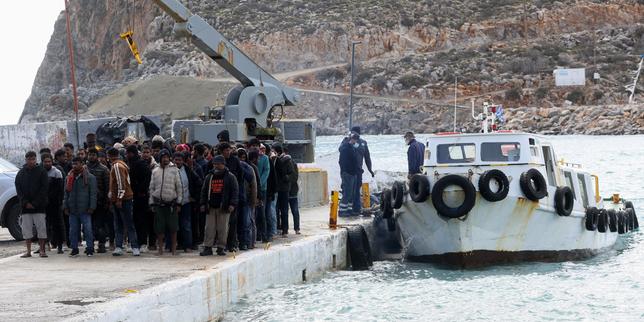
Another day, another maritime rescue operation in the southern Mediterranean. Greek coast guards pulled 85 migrants from two inflatable rubber boats drifting off the southern coast of Crete. These individuals didn't stumble into trouble by accident. They were packed into fragile watercraft, navigating one of the most perilous maritime paths toward Europe.
European border agency drones operated by Frontex spotted the dinghies near Kali Limenes. A patrol vessel rushed to the scene to intercept them before disaster struck. But this rescue isn't an isolated incident. It highlights a massive shift in migration routes that policymakers are struggling to handle.
The Shift Toward Crete and Gavdos
For years, the primary pressure points for Mediterranean arrivals were the North Aegean islands or direct crossings from Turkey. That map has changed. Over the past year, Crete and the tiny nearby island of Gavdos have turned into magnets for asylum seekers.
Why the change? Gavdos sits roughly 320 kilometers north of the Libyan coast. Smugglers are exploiting this long, dangerous maritime corridor because traditional routes face heavier patrols. Crossing from North Africa straight to southern Crete avoids some bottlenecks, but it pushes migrants into deep, unpredictable open waters in overloaded boats that are barely fit for lakes.
When the Greek coast guard brings survivors ashore—like the 85 people processed at the port of Kali Limenes—they enter an administrative bottleneck.
The Infrastructure Crisis on the Ground
Rescuing people from the sea is only the first step. What happens next exposes deep structural vulnerabilities in Greece's regional reception capabilities.
Crete currently lacks permanent, large-scale processing infrastructure. The island relies heavily on temporary housing structures for incoming asylum seekers. Local authorities are caught off guard by the steady rhythm of arrivals. While the ministry has promised to build a proper permanent reception center on the island, the current reality involves rushed temporary housing, immediate identity verification, and eventual transfers to mainland camps or older facilities in the Aegean islands.
Smuggling networks adapt faster than bureaucratic response times. Every time authorities crack down on one departure point, traffickers pivot to another stretch of coastline. As long as conditions in North Africa remain volatile, southern Crete will continue absorbing the human cost of these underground sea routes.
The boats keep coming. The rescues keep happening. And the debate over regional infrastructure grows louder by the week.