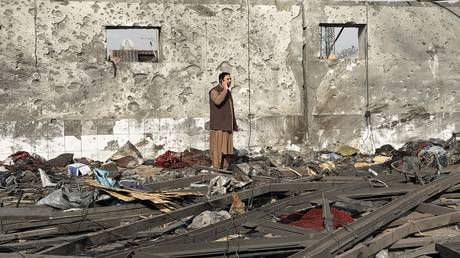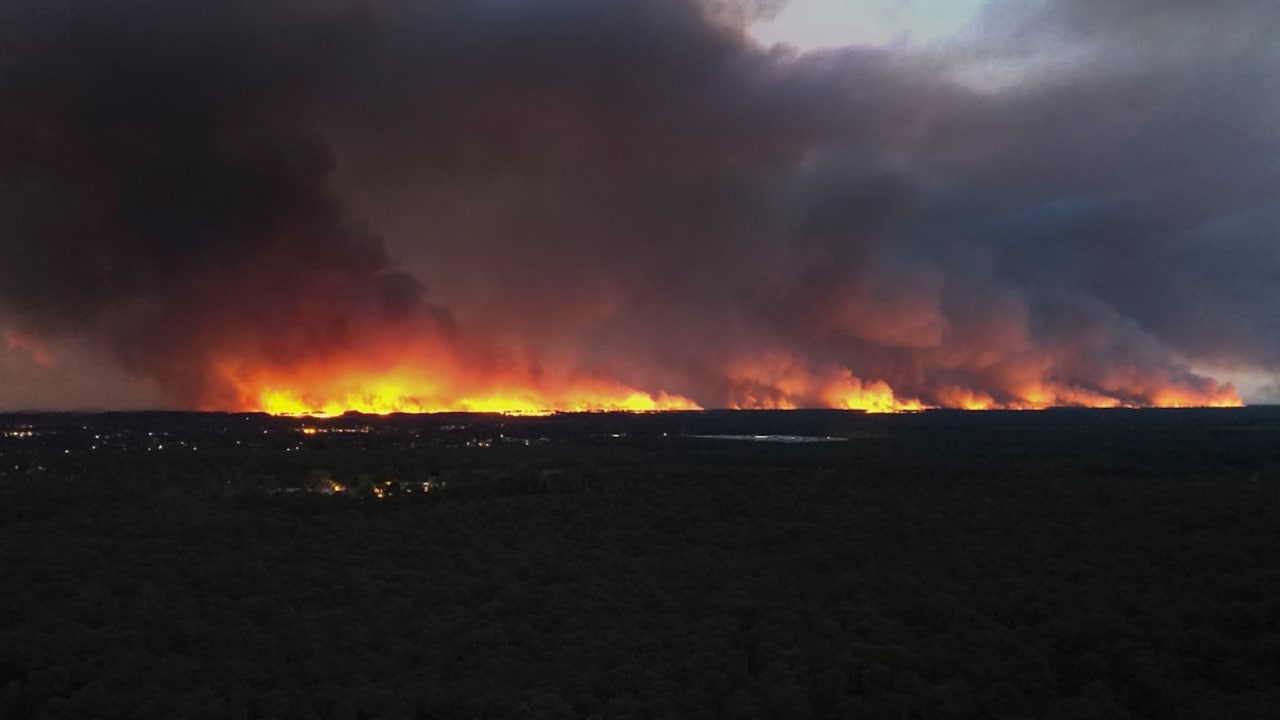
Thick black ash coats rooftops across parts of central Spain while frantic emergency crews battle to contain a disaster that has displaced 70,000 people. You're looking at one of the worst wildfire crises in recent memory, driven by brutal heatwaves and tinder-dry countryside. Prime Minister Pedro Sanchez stated clearly that the immediate priority is to save lives, but as winds shift unpredictably, communities west of Madrid and into the Avila province are facing an intense fight for survival.
If you want to understand why southern Europe is burning through records this year, you have to look past the basic weather reports. Let's break down what's actually happening on the ground and why this crisis caught authorities completely off guard.
The Scale of the Evacuations
Numbers on a screen rarely capture the human cost. Over 70,000 residents have been forced to grab what they can and flee their neighborhoods as flames devoured thousands of hectares of land near the capital.
Evacuations hit hard in towns like Navalagamella and areas across the Valle del Tietar in Avila province. Families packed into makeshift shelters in gymnasiums, recounting terrifying moments as smoke choked out the sunlight. When conditions deteriorate this fast, normal life stops instantly.
Spain has already seen fires scorch roughly 130,000 hectares this year. That number beats out the decade's annual average of 100,000 hectares, and peak summer hasn't even finished playing out its hand.
Why These Blazes Spread So Fast
Dry brush acts like gunpowder. Years of shifting climate patterns combined with punishing heatwaves have turned large swaths of Spanish woodland into a ticking time bomb.
When temperatures consistently top 40 degrees Celsius, moisture evaporates from plants almost instantly. Fire behavior changes under these conditions. Blazes don't just creep along the forest floor anymore. They crown through treetops and generate their own volatile wind patterns, making traditional firefighting techniques nearly useless for hours at a time.
Crews are working around the clock, digging firebreaks and deploying water-dropping aircraft whenever visibility permits. But human effort runs up against hard physical limits when the terrain is steep and the wind refuses to cooperate.
The Broader European Emergency
Spain isn't suffering alone. Across the border in southwestern France, another massive fire near Bordeaux has forced tens of thousands to evacuate, pushing the total number of displaced people across western Europe past a quarter of a million this week.
Governments are scrambling to share resources. France deployed specialized heavy cargo aircraft to drop flame retardants, while soldiers join local civil protection units in both countries. The sheer geographic scale of these concurrent emergencies stretches European emergency response networks to their absolute limit.
What Comes Next for Vulnerable Regions
As slightly cooler air offers a brief window of opportunity for firefighters on the ground, officials warn that the danger hasn't passed. Shifting winds can turn a contained perimeter into an active threat in minutes.
If you live in or plan to travel to affected parts of southern Europe, monitor local civil protection alerts daily and respect evacuation orders immediately. Hesitating when a wildfire approaches leaves no margin for error.
Stay alert, keep emergency routes clear, and pay attention to official updates as recovery efforts begin.
Wildfires in Spain: Record temperatures accelerate spread of blazes
This video provides an on-the-ground look at how record-breaking temperatures are accelerating the destructive spread of wildfires across Spain.
http://googleusercontent.com/youtube_content/1