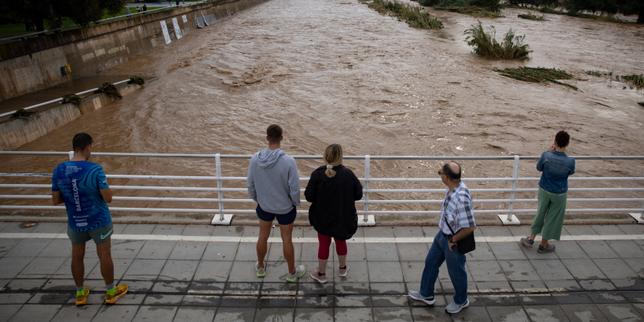
A new Mediterranean storm slammed into Spain, plunging several regions back into a familiar state of high anxiety. Torrential rains hit areas stretching from Barcelona down to the Balearic Islands and the eastern coast, leaving at least two people dead and forcing authorities to deploy emergency military units.
When you live through the kind of catastrophic flooding that devastated parts of the country previously, weather reports stop being background noise. They become urgent countdowns. The national meteorological agency, AEMET, issued severe warnings as heavy downpours began pounding the region. For Valencia, a territory still nursing deep physical and emotional scars from prior disasters, an orange or red alert triggers immediate dread among residents whose homes and livelihoods were once swallowed by muddy torrents.
The Chaos Across the Mediterranean Coast
The storm didn't stay out at sea. High-intensity rainfall turned coastal roads into churning brown rivers. In places like Ibiza and Formentera, streets transformed into lakes where garbage bins floated alongside half-submerged vehicles. Major tourist hubs stood entirely deserted as local governments pushed out emergency mobile phone alerts, urging people to stay indoors and cancel all non-essential travel.
Further south in Andalusia, particularly around Almeria, emergency response teams faced grueling conditions. Dozens of rescue operations had to be launched to pull residents out of isolation as rising waters cut off access roads. Airports faced severe disruptions, with multiple flight cancellations and mandatory diversions leaving travelers stranded.
Why These Sudden Storms Hit So Hard
Geography and climate dynamics combine to create a dangerous recipe along the Spanish coastline. Warm Mediterranean waters feed moisture into the atmosphere, which then collides with cold fronts dropping down from higher altitudes. This creates stalled, slow-moving storm cells that dump months worth of rain in mere hours.
Infrastructure in many coastal and valley zones struggles to cope with such concentrated volume. Dry riverbeds, known locally as ramblas, swell within minutes into violent channels capable of sweeping away heavy vehicles and tearing down perimeter walls. Urban expansion over recent decades has frequently paved over natural floodplains, leaving towns highly vulnerable when drainage systems become instantly overwhelmed.
Staying Safe When the Sky Opens Up
Authorities are learning from past tragedies by pushing alerts to mobile devices much earlier, but individual preparedness remains critical. If you find yourself under a severe weather warning in a flood-prone region, basic rules make the difference between safety and disaster.
- Never attempt to drive through flooded roads or underpasses. Just thirty centimeters of moving water can float a standard car, sweeping it away instantly.
- Move valuable belongings and electrical equipment to upper floors if you live in a ground-floor or basement apartment.
- Keep emergency supplies ready, including drinking water, non-perishable food, flashlights, and a battery-powered radio in case power grids fail.
- Monitor official channels from AEMET and local civil protection units rather than relying solely on social media rumors.
The frequency of these extreme weather events proves that readiness isn't optional anymore. Communities must continually adapt to a changing climate where every heavy downopur carries severe risks.
Espagne : Plus ou moins 158 personnes sont mortes
This video provides additional context and visual coverage regarding the severe flooding events impacting Spain and the emergency response measures deployed in affected regions.