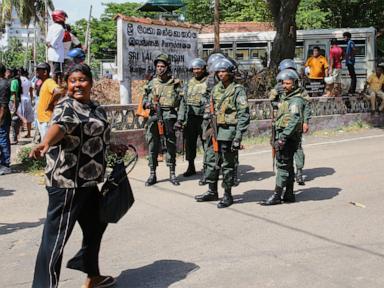
The horrific news out of Sri Lanka shouldn't surprise anyone who has been paying attention to the country's penal system. At least 25 people are dead and over 100 are hospitalized after brutal, prolonged clashes tore through the Negombo prison just north of Colombo.
The violence started on Sunday and bled straight into Monday. It didn't just claim the lives of inmates, either. Prison guards and officials are among the dead. The local state-run hospital is completely overwhelmed, scrambling to treat dozens of people suffering from severe, unnamed injuries.
Mainstream news outlets are reporting that the "reason for the clash was not immediately known." That is technically true on paper. Police spokesman Chandana Herath confirmed the bodies but hasn't released an official trigger. But if you look at the raw data, the real culprit is staring us right in the face.
Sri Lanka’s prisons are a ticking time bomb. The math makes the explosion inevitable.
The Brutal Math Behind the Negombo Explosion
Let's look at the actual numbers because they paint a terrifying picture. Sri Lanka's entire prison infrastructure is built to hold roughly 10,000 human beings. Right now, the system is packing in more than 39,000 inmates.
That means the network is running at nearly 400% capacity.
Imagine a space meant for one person. Now force four people into it. Keep them there in tropical heat with substandard sanitation, limited water, and mounting anxiety. It creates a powder keg. When you jam desperate people into spaces where they can barely breathe, violence isn't a possibility. It is a certainty.
Negombo prison, located about 35 kilometers north of the capital, is notoriously congested. While we don't know the exact spark that lit the match this weekend—whether it was a gang dispute, a fight over meager resources, or a protest against living conditions—the underlying structural failure is the real story.
History Constantly Repeats Itself in Colombo
If this feels familiar, it's because we have seen this movie before. Sri Lanka has a long, bloody history of prison revolts triggered by overcrowding.
Amnesty International has repeatedly sounded the alarm over the state's use of lethal force during these institutional meltdowns. Go back a few years and look at the Mahara prison complex riot, or the deadly clashes at Anuradhapura and Bogambara. In every single instance, the narrative is identical. Inmates panic over unsafe conditions, lack of medical care, or extreme heat. Protests turn into riots. The state responds with live ammunition. People die.
Human rights organizations have begged successive Sri Lankan governments to execute a simple fix: release non-violent pretrial detainees to ease the pressure. Instead, the cell blocks remain stuffed to the ceiling.
What Needs to Happen Next
The immediate aftermath of the Negombo riot will likely follow a predictable script. There will be an official committee formed. There will be promises of a thorough investigation. But real reform requires actual policy changes, not just political theater.
If you are tracking this situation or analyzing international prison reform, here are the critical developments to watch for over the coming weeks:
- The Casualty Breakdown: Watch whether the government separates the official death toll between inmates and guards. Transparency here will reveal how badly the prison perimeter actually collapsed.
- Pretrial Detention Reform: The fastest way to drop that 39,000 number is to address the thousands of inmates lingering in jail without a conviction because they can't afford bail or their court dates are delayed by years.
- Independent Oversight: Outside monitors must get access to Negombo to verify what kind of force was used to quell the riot.
When you crowd 39,000 people into a system built for 10,000, you aren't running a correctional facility anymore. You are managing a disaster waiting to happen. Negombo was just the latest facility to hit its breaking point. Unless the state actually starts reducing the prison population, it won't be the last.