When the federal government bought an 890-acre California ranch in 1974, everybody figured it was game over for the Stewart family. Uncle Sam wanted the land for the expanding Point Reyes National Seashore. Standard government playbook dictates that private operators pack up their gear, hand over the keys, and make way for public tourism.
Except the Stewarts didn't leave.
Instead of getting pushed off their generational homestead, they sat down at the negotiating table and carved out a rare legal agreement. They sold the title to the National Park Service, but secured a life estate that let them keep running their cattle operation for nearly five more decades. When the family finally wrapped up operations in 2021, they closed out roughly 150 years of continuous coastal stewardship.
Challenging the Public Versus Private Myth
Most environmental debates treat private enterprise and land preservation like oil and water. You either lock a gate, ban human activity, and let nature take the wheel, or you pave it over. The Stewart ranch proves that false dichotomy falls apart under actual practical management.
Operating a working cattle ranch inside a high-visibility federal park isn't simple. You don't just turn out livestock and ignore the world. The family had to navigate strict federal environmental requirements, carefully monitor local water sources, and prevent soil erosion along coastal creeks. They coordinated their daily chores right alongside park rangers and wildlife specialists.
If you talk to local agricultural historians in West Marin, they will tell you that working ranches often keep the open landscape clear of dense, choking brush that fuels catastrophic wildfires. Grazing cattle and managed pastures maintained open vistas that millions of park visitors enjoy today.
Living in a Fishbowl
As decades ticked past, the reality of ranching changed drastically. California population centers exploded. Tourism along the northern coast surged, turning quiet rural roads into packed corridors for weekend travelers heading to the beach.
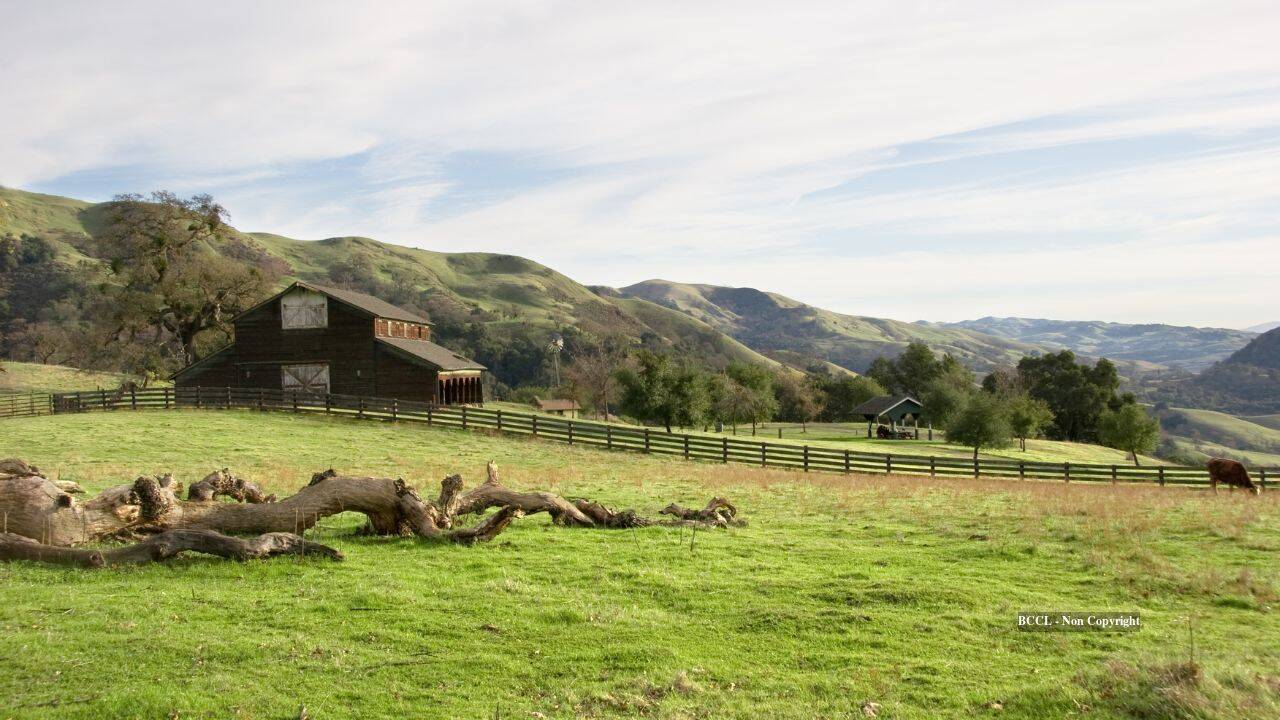
The Stewarts went from running an isolated coastal ranch to operating in plain sight of millions of curious tourists. Rather than retreating behind closed gates, they leaned into public engagement. They hosted school groups, talked with hikers, and explained the deep agricultural roots of the peninsula. They updated their facilities to meet modern environmental codes without losing the historic character of the wooden barns and rolling pastures.
What This Means for Modern Conservation
The arrangement offers a blueprint that land managers should study closely. When the federal government acquires land, erasing the people who shaped it isn't always the smartest move. Human history, heritage, and working landscapes can anchor a national park just as effectively as raw wilderness.
Today, visitors walking past the old fencelines and weathered barns are looking at a living artifact. The partnership between a local family and a federal agency shows that cooperation beats conflict every single time.
If you want to understand how public lands can truly serve communities, look past the pristine visitor center maps. Study the messy, practical compromises made on the ground where real people spent generations working the soil.