Most people walk straight past the thrift store art aisle. Can you blame them? It is usually packed with mass-produced hotel oil paintings, water-damaged posters of abstract geometry, and mass-printed beach scenes from the nineteen-nineties. You are right to ignore it ninety-nine percent of the time.
Yet, every once in a while, lightning strikes.
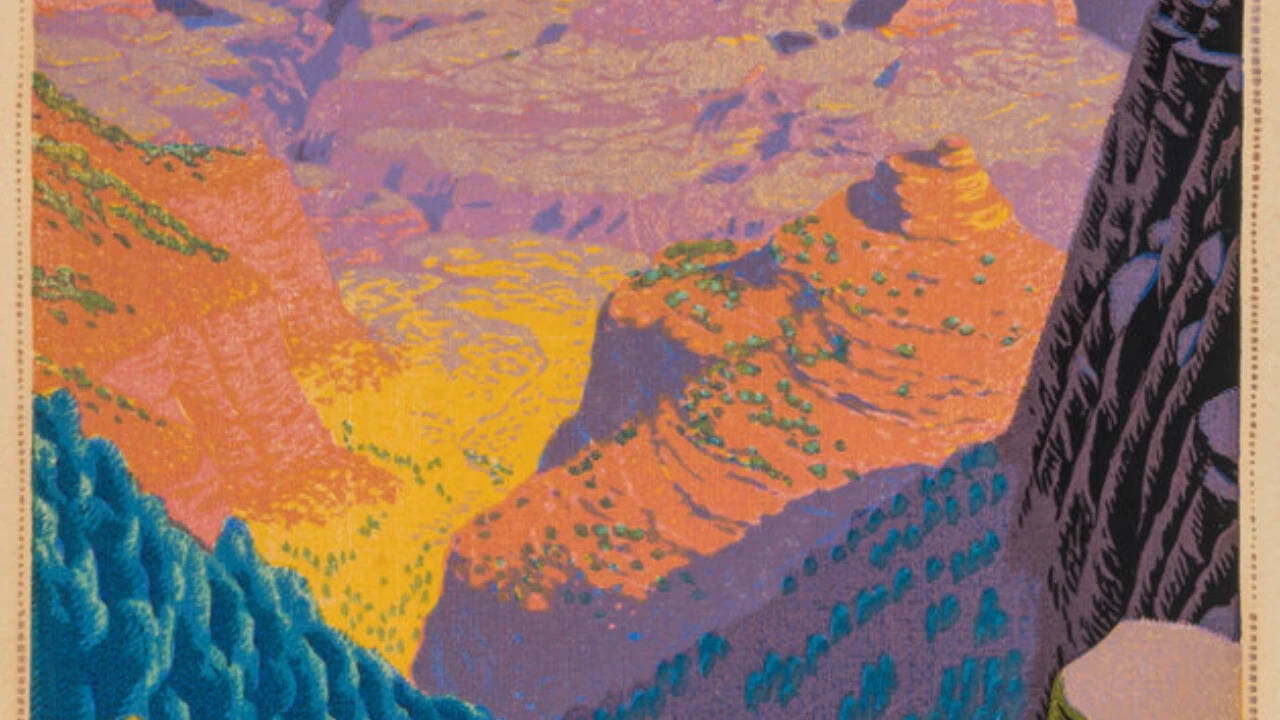
A shopper in Dallas walked into a local Goodwill store, spotted a framed print tucked away on a shelf, and handed over five dollars and ninety-nine cents to take it home. That routine purchase turned out to be an authentic, signed, and numbered nineteen-thirty woodcut of the Grand Canyon by renowned artist Gustave Baumann. When it hit the auction block, it fetched seventeen thousand five hundred dollars.
Stories like this make headlines for a reason. They spark a fantasy that we are all just one lucky shelf-scan away from financial freedom. But the reality of finding valuable art in second-hand shops has very little to do with raw luck and everything to do with visual literacy.
What Made That Five Dollar Print Worth a Small Fortune
To understand why a piece of paper found next to old blenders commands five figures, you have to understand who Gustave Baumann was and why collectors care about his work. Baumann was a master of color woodblock printing, a central figure in the Arts and Crafts movement, and a legendary chronicler of the American Southwest.
He didn't just carve wood and slap ink on paper. He hand-pressed every single layer using oil-based inks on handmade paper, creating rich, velvety textures that modern digital printing simply cannot replicate. His prints are rare, highly sought after by museums and serious collectors, and rarely surface in suburban thrift stores.
When the Dallas buyer picked up that Grand Canyon print, she wasn't just buying a pretty picture of a national park. She was holding a meticulously crafted piece of printmaking history. The piece featured his signature carved-hand-in-heart chop mark alongside his actual pencil signature and edition number. That signature is the dividing line between a worthless wall decoration and a museum-quality asset.
Why Most Thrift Store Art Flippers Fail
People love the idea of flipping vintage items, but most hobbyists approach treasure hunting completely backwards. They hunt for shiny frames, bright colors, or recognizable subject matter while completely ignoring the technical markers of real value.
Here is what usually happens. Someone buys an ugly thrift store painting because it has an ornate wooden frame, thinking the frame alone is worth money. They get home, realize the frame is cheap plastic coated in plaster, and throw the whole thing away. Or worse, they buy a mass-produced print that has been artificially aged to look antique, completely missing the telltale dot matrix pattern of a modern mechanical printer.
Real value hides in plain sight, but you have to know how to spot it. If you treat thrifting like a lottery, you will lose money every single time.
How to Actually Spot Valuable Art in the Wild
You do not need an art history degree to find hidden treasures, but you do need a systematic approach. If you want to stop guessing and start recognizing genuine quality, you need to change what you look for when you flip through stacks of discarded prints.
Look Closely at the Paper and Ink
Run your fingers lightly over the surface—or better yet, look at it under your phone's flashlight. Modern posters and cheap prints sit completely flat on glossy or smooth paper. Real etchings, lithographs, and woodcuts leave a physical impression on the paper. You should see a plate mark or a subtle indentation where the printing press squeezed the paper against the printing block or plate. The ink should sit slightly on top of the paper fibers rather than soaking completely into them.
Hunt for Pencil Signatures
Mass-produced prints feature printed signatures that are part of the original image file. Real collectible prints feature signatures written by hand in pencil, usually in the bottom margin below the image area. Alongside the signature, look for fraction-style numbering like seventy-five out of two hundred. That tells you the exact size of the limited run. If the signature looks like it was written with a ballpoint pen or a modern sharpie over top of a finished print, walk away immediately. It is usually a modern forgery or an amateur signing a reproduction.
Research the Backing and Framing
Old framing materials tell a massive story about age and authenticity. Look for old brown paper backing, rusted flat-head nails instead of modern staples, and vintage gallery stickers or framer labels from decades past. High-end art was historically framed by professional custom framers, not mass-market big box stores. If a piece still has a vintage label from a reputable gallery in New York, Chicago, or Santa Fe, pay attention.
What to Do If You Think You Found Something Real
Finding a potential treasure is only half the battle. The biggest mistake amateur pickers make is trying to clean, restore, or alter the item themselves.
Never use water, cleaning sprays, or erasers to clean vintage paper. Paper degradation, foxing (those little brown age spots), and slight fading are normal parts of aging. Trying to scrub them off will instantly destroy the value of the piece. Leave the dust, leave the original backing intact, and keep it flat and away from direct sunlight.
Next, do your homework before listing the item on a casual marketplace. If you suspect you have a piece by a listed artist, reach out to regional auction houses, specialized fine art galleries, or reputable appraisers who deal specifically in prints and multiples. They can verify authenticity through provenance and catalog raisonné records without charging you upfront fees.
Stop treating second-hand shops like clearance bins for junk. Look at the details, learn the mechanics of traditional printmaking, and keep your eyes open. The next great discovery is sitting on a dusty shelf right now, waiting for someone who actually knows what they are looking at.