You wake up, scan the headlines, and see the same old story: Middle East tensions are spiking, the U.S. and Iran are trading strikes, and oil is jumping. It is easy to write this off as just another news cycle.
But if you look closer, what's happening right now in July 2026 isn't just a repeat of the past. The fragile interim agreement signed just last month is dead. Former President Donald Trump officially declared the ceasefire "over" after a chaotic weekend of back-and-forth military action. We are looking at the heaviest exchange of fire between Washington and Tehran in months, and this time, the structural plumbing of the global economy is in the crosshairs.
Let's cut through the noise. Here is exactly what is happening on the water, why the market's reaction might surprise you, and what you should actually do with your portfolio.
The Illusion of a Closed Strait
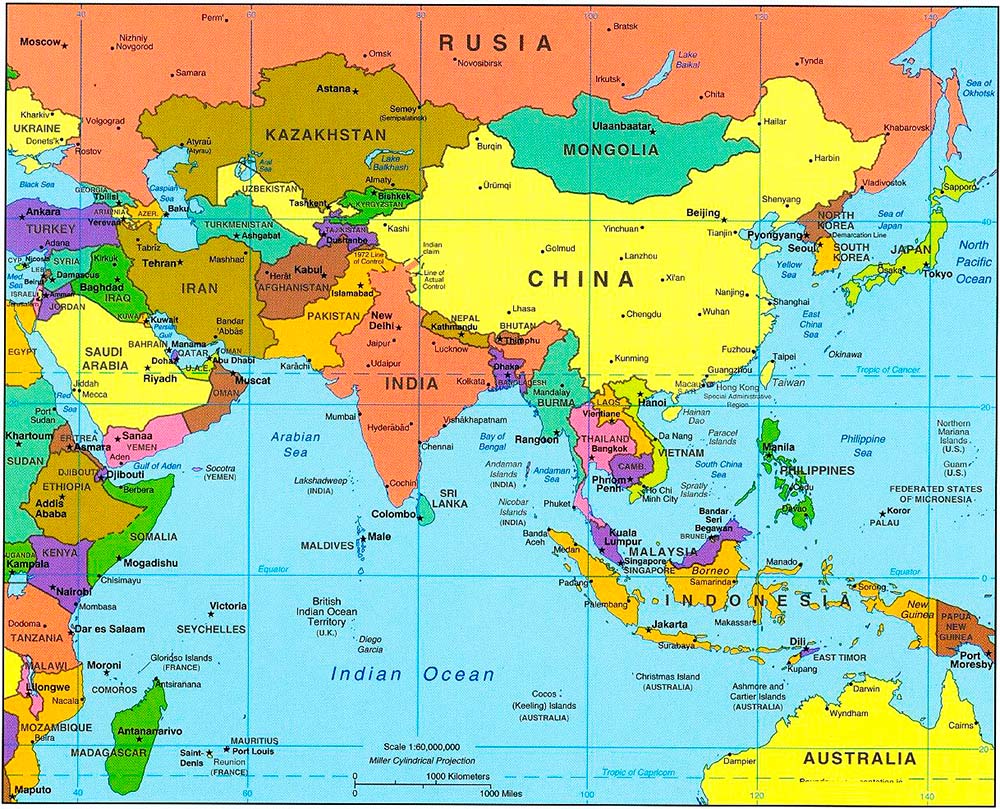
Iran claims the Strait of Hormuz—the choke point for a fifth of the world's oil—is closed "until further notice". The U.S. military flatly contradicts this, insisting the waterway remains open and active.
Who do you believe?
The truth lies in the data, not the press releases. If you look at real-time maritime traffic, we aren't at absolute zero yet, but we are deep in the danger zone. Standard daily traffic through the strait usually hovers around 95 ships a day. Right now, tracking data shows that number has collapsed to a 7-day average of just 32 ships a day.
- GPS Jamming is Spiking: Commercial aircraft flying near the Gulf are reporting a massive 11.3% jump in GPS signal spoofing and jamming. Militaries use this electronic warfare to hide ship movements, and it is historically a reliable leading indicator that more kinetic strikes are coming.
- The Southern Route Lifeline: The Joint Maritime Information Center confirms that while the northern, Iranian-controlled lanes are a no-go zone, a trickle of commercial vessels is still daring to use the southern transit lane near Oman.
- The Target Shift: Unlike previous skirmishes where Iran focused solely on Western tankers, Tehran is now retaliating by launching drone and missile attacks directly at Gulf Arab states like Bahrain and Kuwait, aiming to raise the pain threshold for U.S. allies in the region.
This isn't a symbolic standoff. It's an active blockade in everything but name.
Why Wall Street Isn't Panicking Yet
If a fifth of the world's energy supply is choked, why hasn't crude oil rocketed past $120 a barrel? Why are S&P 500 futures only showing a modest dip?
It comes down to a structural shift in how global markets price geopolitical risk.
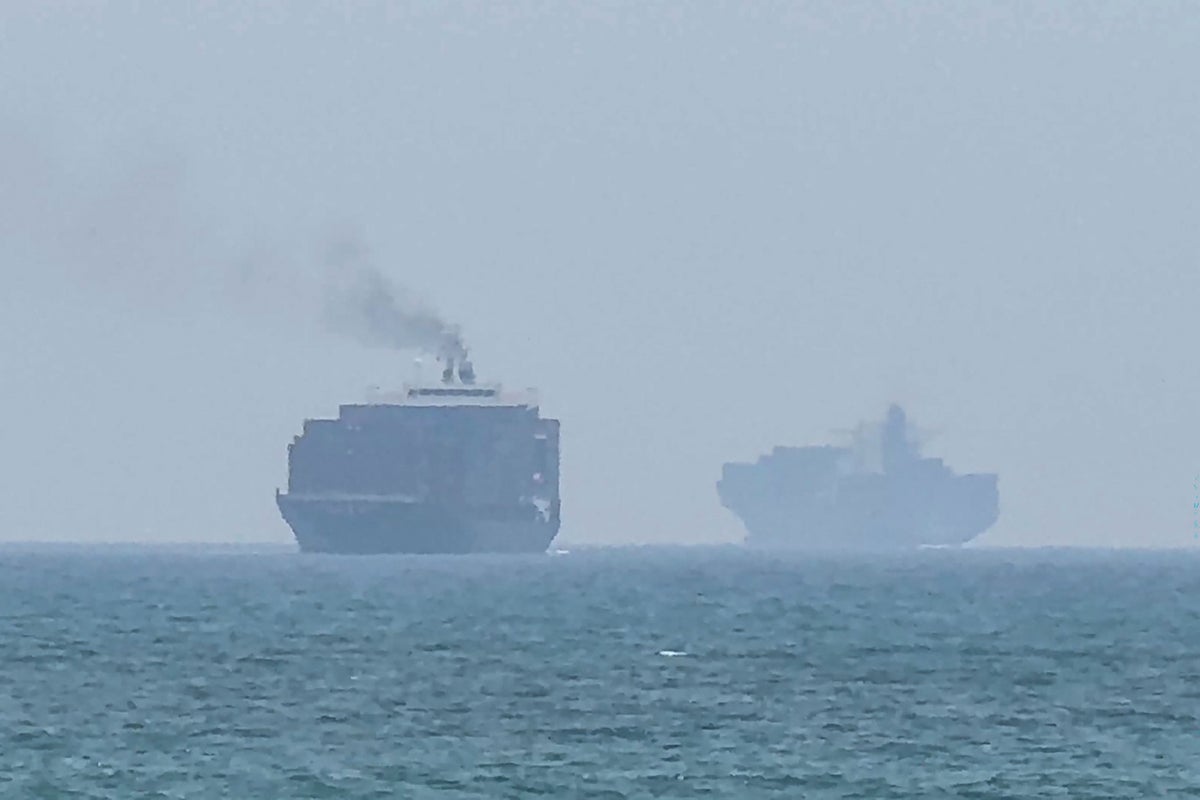
For the last four months, the Strait of Hormuz has experienced rolling disruptions. Traders have slowly built a permanent "risk premium" into energy assets. When the U.S. launched its fourth round of targeted strikes this week after an attack on a Cyprus-flagged container ship, oil jumped by roughly 3%. That’s a bump, not a panic.
Furthermore, global demand is softer than it was during the post-pandemic supply chain shocks. With major central banks keeping interest rates elevated to battle sticky inflation, macroeconomic sluggishness is acting as a natural brake on runaway energy prices.
But don't mistake this quietness for safety. A prolonged shipping freeze will eventually force insurers to pull coverage entirely. When insurers refuse to underwrite ships transiting the Gulf, the physical supply crunch will finally hit Western gas stations.
The Strategic Moves for Your Portfolio
When geopolitical crises flare up, the worst thing you can do is panic-sell your entire portfolio or buy into hyped-up defense stocks at their peak. You need to play the long game.
Watch the Inflation Indicators
The U.S. Consumer Price Index (CPI) report drops tomorrow. This is the critical piece of data to watch. If CPI comes in hotter than expected, it means the early stages of these energy disruptions are already bleeding into domestic consumer goods. A hot CPI print almost guarantees the Federal Reserve will hold interest rates higher for longer at their meeting on July 29, which will put downward pressure on highly valued tech stocks.
Real Assets Over Paper Promises
If you want a hedge against an escalating Gulf war, look at physical commodities and logistics.
- Global Shipping and Freight Rates: As tankers are forced to take the long route around Africa's Cape of Good Hope, maritime freight rates will climb. Companies specializing in dry bulk and tanker shipping tend to see profit margins expand dramatically during these supply-route disruptions.
- Short-Term Treasury Bills: If you're nervous about market volatility over the next two weeks, cash is a valid strategic position. Parking money in 3-month or 6-month T-bills yields a safe return while you wait for the geopolitical dust to settle.
The Real Danger is Overreacting
Geopolitical shocks usually cause a sharp, short-term dip in the broader stock market, followed by a swift recovery once supply routes adapt. Historically, investors who sell during the first week of military escalations regret it by month three. Keep your core diversified equity holdings intact.
The escalations in the Strait of Hormuz are serious, but they are a test of logistics and diplomatic endurance, not an immediate global economic collapse. Watch the ship-tracking data, keep an eye on tomorrow's inflation numbers, and don't let sensationalist headlines dictate your long-term financial security.