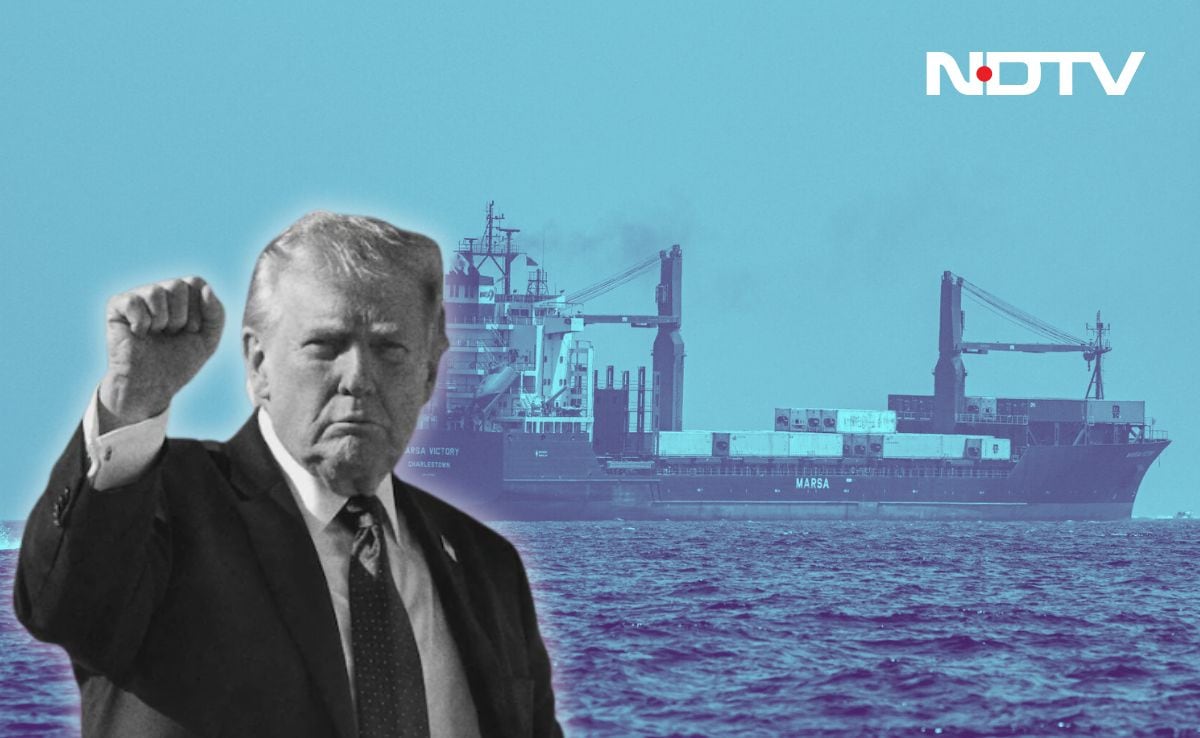
The world runs on energy, and energy runs through a narrow slit of water between Iran and Oman. When tension spikes in the Strait of Hormuz, global markets panic. Recent escalations involving US naval enforcement and strikes on commercial cargo carriers have pushed this vital maritime chokepoint right back into the global spotlight. If you think this is just another distant regional flare-up, you're missing the bigger picture.
The Chokepoint That Controls the World Economy
Nearly a fifth of the world's petroleum supply passes through this single waterway. When the US enforces strict naval blockades to choke off Iranian exports, and retaliatory projectile strikes target commercial freighters near Oman, the ripple effects hit gas pumps worldwide instantly.
Let's look at the operational reality on the ground and at sea. The US Central Command has continuously ramped up pressure, intercepting and redirecting vessels attempting to skirt sanctions. Meanwhile, Iranian forces assert territorial control, creating an atmosphere where commercial shipping companies are forced to choose between risky passages or halting operations entirely.
What the Headlines Miss About the US-Iran Standoff
Most mainstream reports treat these maritime clashes as isolated accidents. They aren't. They form part of a calculated strategy of economic warfare and counter-blockades.
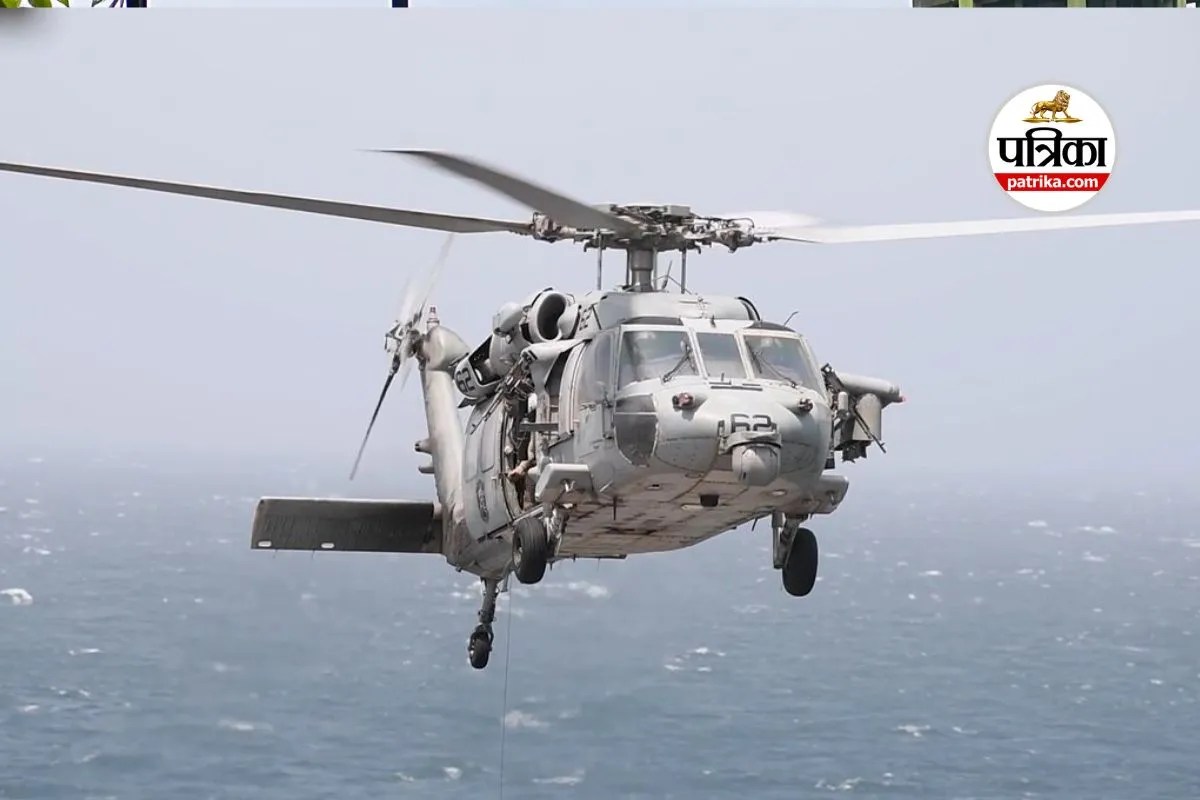
- The Blockade Mechanics: The US Navy uses targeted actions—including helicopter-launched precision munitions against non-compliant vessels trying to run the blockade—to shut down illicit oil transit.
- The Retaliation Cycle: Commercial tankers and cargo haulers frequently get caught in the crossfire of anti-ship missile tests or warning shots near strategic ports like Sirik.
- The Diplomatic Breakdown: Temporary ceasefires and Omani-mediated talks repeatedly stall because neither Washington nor Tehran wants to blink first on sovereign control over maritime transit lanes.
When a multi-million-dollar cargo ship gets hit by a projectile or disabled by military fire, insurance premiums for Gulf transit skyrocket overnight. Shippers scramble for alternative routes, adding weeks and massive costs to international supply chains.
Where Energy Markets Go From Here
You can't decouple military strategy from economic reality here. Every time negotiations in places like Islamabad or Muscat stall, shipping security deteriorates further. Iran views the strait as its primary leverage point against Western sanctions, while Washington treats freedom of navigation as a non-negotiable global public good.
Keep a close eye on insurer risk assessments and direct vessel tracking data rather than waiting for official political statements. That's where you'll see the actual temperature of the conflict before it hits the evening news.