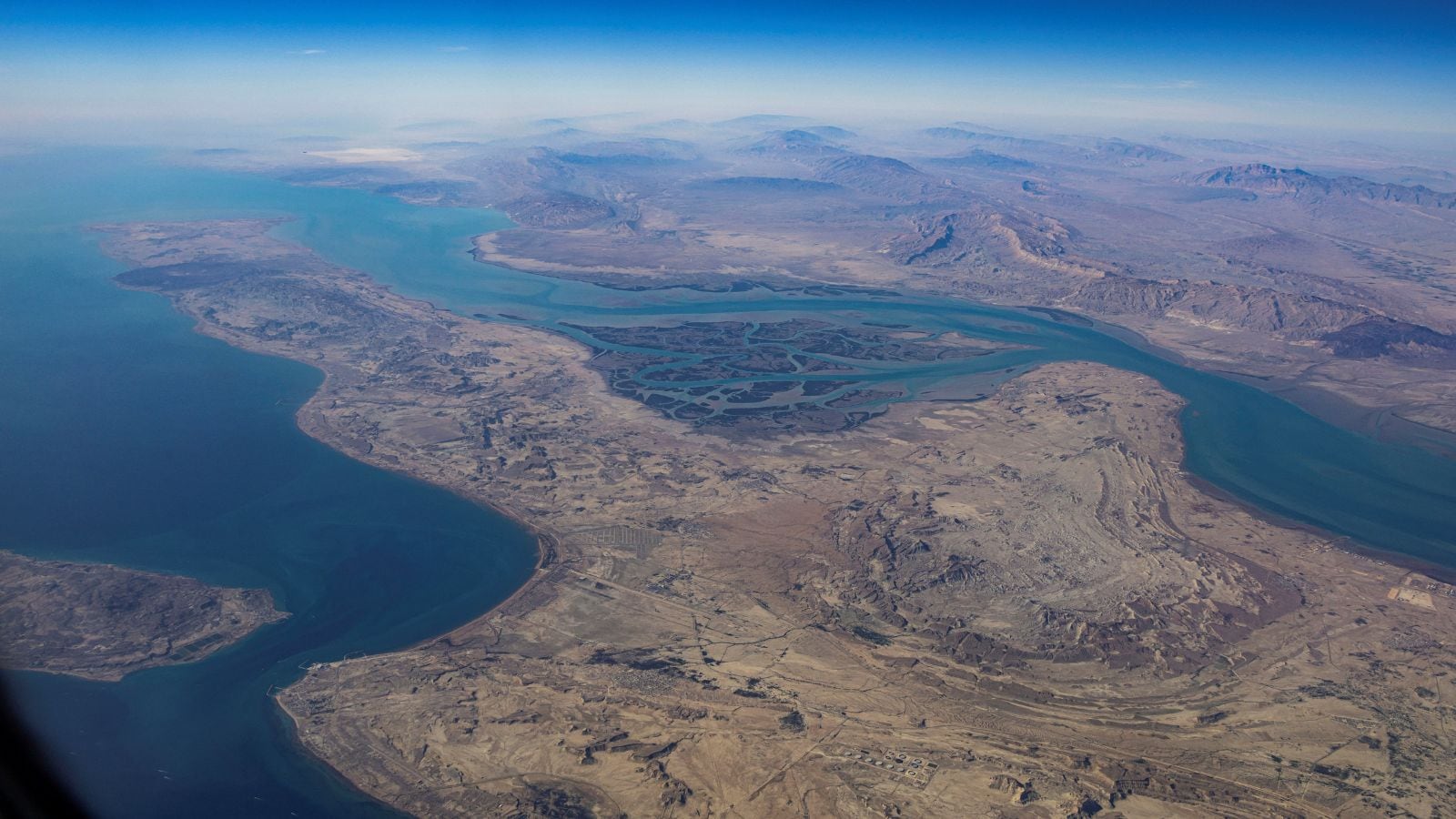
The Strait of Hormuz is basically the jugular vein of the global energy supply. When it gets squeezed, the entire world feels the pressure. That is why recent reports about Iran and Oman working toward a transit agreement for this narrow waterway are not just local diplomatic news. They are a sign of how fragile regional security has become since the conflict escalated in early 2026.
I have spent enough time watching Middle East energy corridors to know one thing: when major powers start jockeying over transit maps, the stakes are rarely just about shipping lanes. They are about leverage, regional dominance, and the ability to shut down a global economy on a whim.
Understanding the Hormuz Standoff
Let’s look at the facts. Roughly twenty percent of the world’s traded oil used to pass through this strait before the February 28 attacks involving Israel and the United States. When Iran effectively shut it down, they weren't just blockading ports; they were signaling that the previous rules of the road no longer applied.
The current proposal from Tehran involves a specific transit layout. Ships would enter the strait on a route hugging the Iranian side and exit on a path near Oman. The kicker? They want this done without the usual fees or tolls.
This isn't just about smooth sailing. It is a calculated move. Iran is attempting to maintain a level of control over the transit while trying to appease international pressure to reopen the waterway. Washington, however, is not easily swayed. For the U.S., any agreement must meet rigid criteria. If the current plan doesn't provide enough security or oversight, it is essentially dead on arrival.
The Clock is Ticking
The timing here is brutal. A sixty-day negotiating window to end the U.S.-Iran war just hit its expiration date. No extension was announced. No breakthrough occurred.
Diplomacy usually moves at a glacial pace, but in an active war zone, that lack of movement is terrifying. While Iranian Foreign Affairs spokesperson Esmail Baghaei claims they have reached an understanding on the transit map, the reality on the ground feels much more stuck. You have two sides staring each other down, waiting to see who blinks first.
Most people focus on the headlines, but the real story is in the missing pieces. Why is there no talk of an extension? It suggests that the underlying friction—the core reasons the conflict started—remains completely unaddressed.
Moving Beyond the Strait
While the world watches Hormuz, the situation in Gaza and Iraq is deteriorating in ways that complicate everything else. We are seeing a web of interconnected crises.
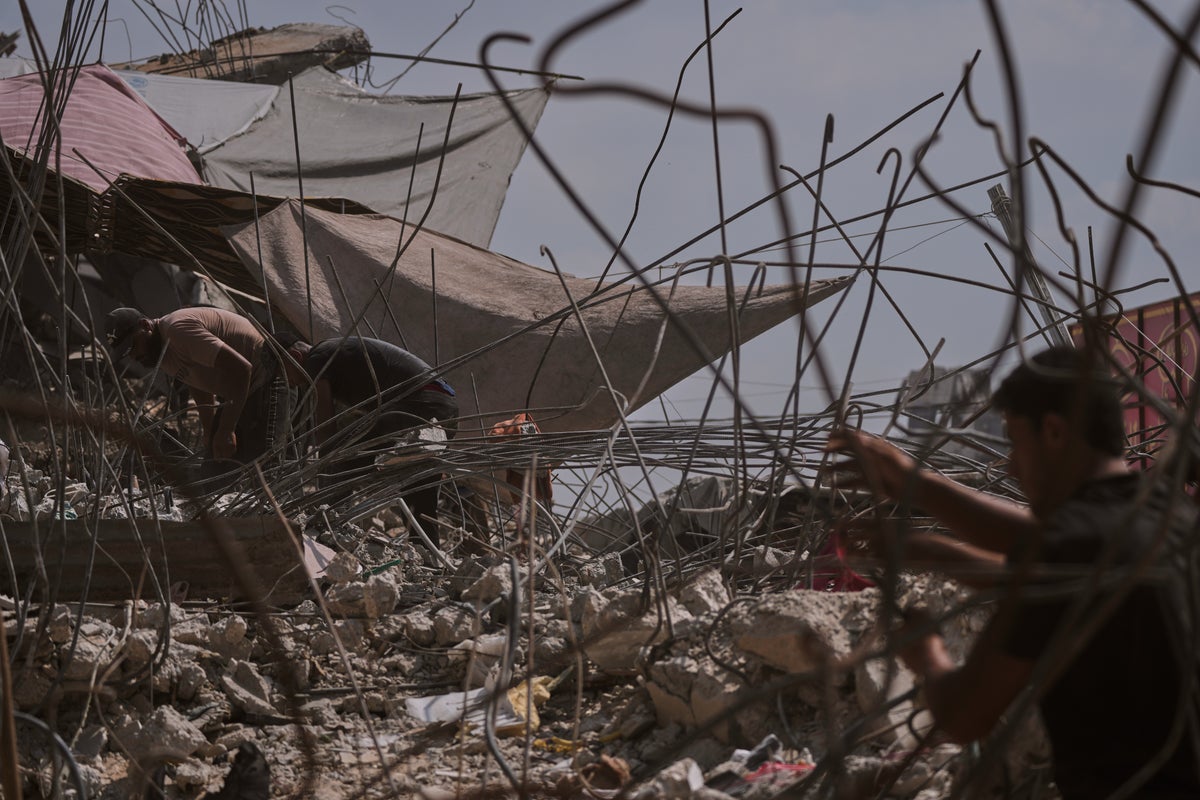
Jared Kushner is currently meeting with Benjamin Netanyahu to discuss a Gaza road map, yet the gap between the two sides seems wider than ever. Hamas claims they are ready to sign a fifteen-point plan that involves total disarmament. Israel, meanwhile, is holding firm on the position that no withdrawal will happen until Hamas is fully dismantled.
When you have one side demanding a full withdrawal and the other demanding total disarmament before moving a single inch, you don’t have a negotiation. You have a stalemate.
The chaos is spreading north as well. Drone attacks targeting Kurdish officials in Iraq are a grim reminder that this war is not staying contained. These aren't just random strikes. Targeting high-level regional government buildings is an escalation. With U.S. forces already planning their withdrawal from the Kurdish region by the end of September, the power vacuum left behind is going to be immense.
What This Means for You
If you are trying to make sense of all this, stop looking for a single solution. There isn't one. The Iran-Oman shipping deal is just one small cog in a much larger, grinding machine.
Here is what you should watch over the next few weeks:
- The U.S. Response to the Hormuz Plan: Does Washington accept the transit map, or do they push for stricter oversight? Their reaction will tell you how much room for compromise actually exists.
- The Iraq Withdrawal: As U.S. forces prepare to leave northern Iraq, keep an eye on who fills the void. The increase in drone attacks suggests that regional actors are already positioning themselves for a post-withdrawal reality.
- The Netanyahu-Kushner Meetings: Watch for any sign that the U.S. is willing to force a deal. The current rhetoric shows Israel is prepared to advance further into Gaza if the road map fails.
Don't buy into the idea that a single treaty will fix this. The regional landscape is currently defined by competing security interests that are fundamentally at odds. Keep your eyes on the ground, follow the shifts in troop movements, and ignore the empty statements from government spokespeople. The real developments are happening in the rooms where no one is filming, and on the borders where the drones are flying.
Expect more friction before things stabilize.