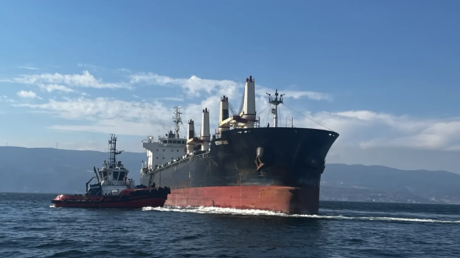
Oil markets just hit a nerve. Global crude benchmarks surged to six-week highs as escalating geopolitical tensions around the Strait of Hormuz sparked severe concerns over physical supply disruptions in the Middle East.
When shipping lanes in the Gulf face threats, global energy markets react immediately. The Strait of Hormuz carries roughly 20% of the world's petroleum liquids every single day. Even rumors or temporary halts in tanker traffic send immediate shockwaves through crude futures, driving up Brent and West Texas Intermediate (WTI) contracts within minutes.
Why the Strait of Hormuz Drives Global Energy Markets
Geography dictates energy security. The narrow waterway connecting the Persian Gulf to the Gulf of Oman acts as the single most critical transit choke point for global oil transport.
Major exporters rely on this corridor daily:
- Saudi Arabia
- Iraq
- United Arab Emirates
- Kuwait
- Iran
A significant block or slowdown in tanker movement through this narrow passage removes millions of barrels of crude from the market overnight. Alternative pipeline bypasses exist through Saudi Arabia and the UAE, but their capacity falls far short of handling the total volume that usually flows by sea.
What Higher Crude Prices Mean for Consumers and Traders
Energy markets rarely digest supply shocks quietly. When crude futures climb to multi-week highs, the downstream impact hits businesses and consumers rapidly.
Fuel Costs and Inflation Pressure
Refineries pay more for input crude, which quickly translates into higher prices at the pump for gasoline and diesel. Transportation logistics companies face immediate margin pressure, often passing those shipping costs down to consumer goods, fueling broader inflationary trends.
Market Volatility and Supply Chains
Energy traders reprice risk premiums instantly. Volatility spikes across commodities, affecting everything from jet fuel futures to heating oil options. Supply chain managers are forced to recalculate shipping schedules and hedge against potential long-term price hikes.
How to Navigate Energy Market Volatility
Market participants and investors need a clear strategy when geopolitical friction disrupts commodity markets.
- Monitor Official Shipping and EIA Reports: Track verified updates from maritime security agencies and the U.S. Energy Information Administration (EIA) rather than relying solely on early speculative headlines.
- Review Energy Holdings and Exposure: Assess portfolios for direct exposure to crude futures, energy sector equities, or transportation stocks vulnerable to sustained fuel price spikes.
- Utilize Risk Management Tools: Commercial energy consumers should consider fuel hedging mechanisms or fixed-rate supply contracts to stabilize operational expenditures during volatile cycles.
Keep a close eye on daily freight tracking data and official OPEC+ production statements over the coming days to gauge whether this price surge represents a short-term spike or a sustained upward trend.