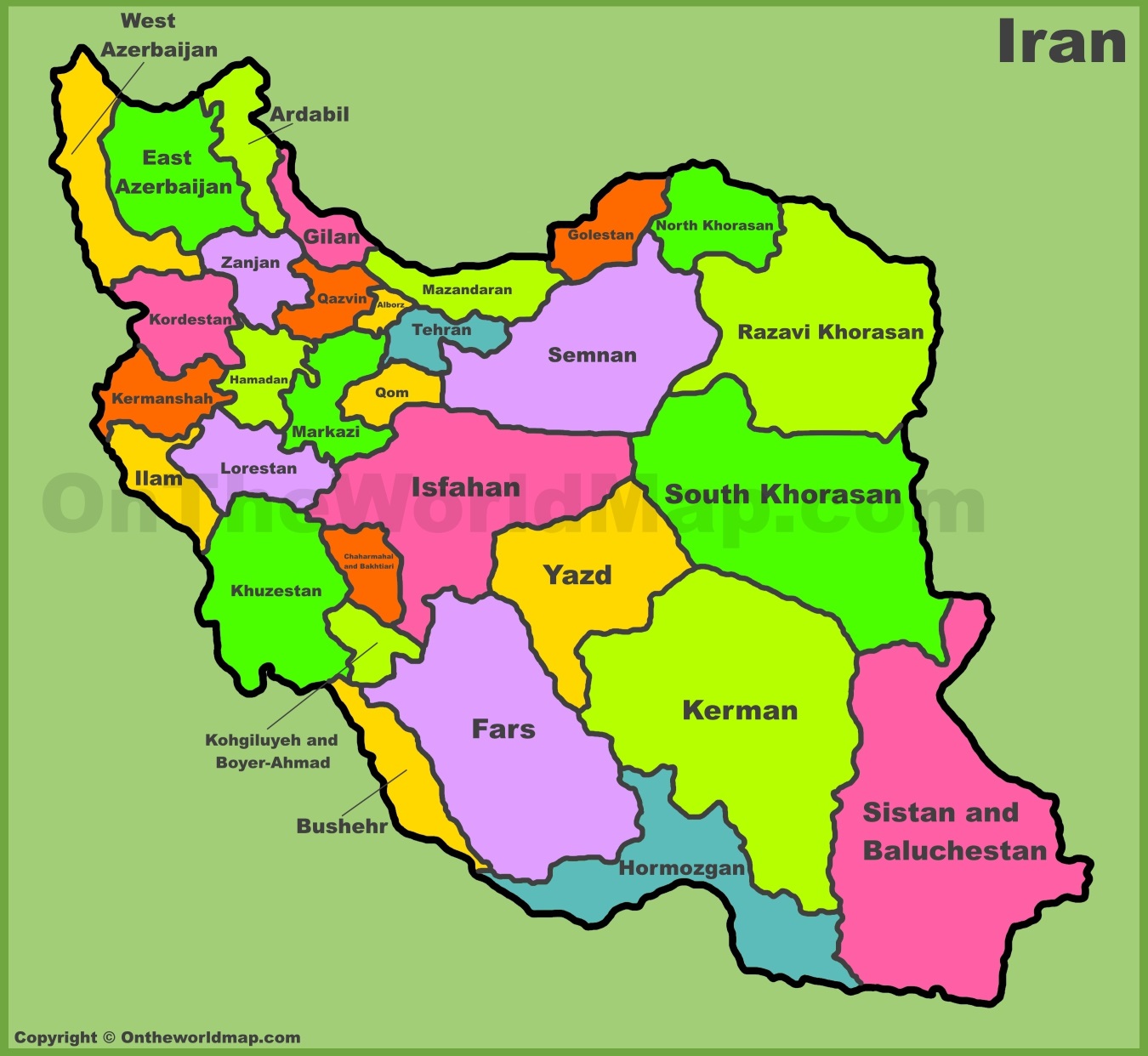
The Strait of Hormuz remains the single most volatile choke point on earth, and recent escalations prove that unmanned aerial warfare is taking a brutal toll. The Islamic Revolutionary Guard Corps announced that a U.S. military MQ-1 reconnaissance and combat drone was tracked and destroyed in the airspace over Qeshm Island. According to Iranian military statements, this marks the seventeenth MQ-1 drone brought down by domestic air defense systems.
At the same time, maritime security in the region has deteriorated rapidly. Reports confirm that two oil tankers caught fire after striking sea mines east of the strait. Tehran's naval forces maintain that these vessels violated restricted navigational zones and ignored warnings regarding unauthorized maritime routes. This dangerous convergence of aerial shootdowns and maritime explosions highlights a growing, high-stakes game of attrition between Washington and Tehran over critical energy corridors.
The Reality Behind the Drone Losses
Military analysts have watched the accumulation of unmanned aircraft losses with mounting concern. Congressional disclosures from late last year already painted a grim picture of hardware attrition, noting dozens of high-end aerial assets lost across ongoing regional conflicts. When the IRGC claims it has downed its seventeenth MQ-1 Predator variant, Western officials often dispute the exact tally or label it propaganda, but the physical reality on the ground is undeniable. Flying reconnaissance platforms near heavily defended coastal zones like Qeshm Island exposes them to layered, modern tactical air defenses.
What makes these recent engagements different is the reliance on upgraded, indigenous air defense networks. Tehran has consistently showcased newly developed systems designed specifically to target lower-signature unmanned vehicles. For the United States, losing multi-million-dollar surveillance platforms shifts the economic and strategic math of maintaining persistent overwatch in the Persian Gulf. You cannot endlessly absorb high-value hardware losses without rethinking the risk-reward ratio of routine drone patrols.
Maritime Chokepoints and Navigable Minefields
While the air war captures headlines, the commercial shipping lane is where the global economy bleeds. The Strait of Hormuz handles a massive share of the world's daily petroleum transit. When tankers catch fire after hitting sea mines, insurance premiums spike globally within hours.
The Iranian Navy's stance is blunt: commercial traffic must seek explicit clearance and adhere to designated safe corridors. Vessels cutting corners or ignoring restricted zones find themselves navigating literal minefields. Tanker operators are now forced into an impossible dilemma. Complying with local mandates risks diplomatic friction with Western powers, while ignoring them risks catastrophic hull breaches and fiery explosions.
What Comes Next for Gulf Security
The friction in the Persian Gulf isn't a temporary flare-up; it's the new baseline of maritime and aerial confrontation. As regional actors test red lines with sea mines and surface-to-air missiles, the margin for error shrinks to almost zero. A single miscalculated interception or a direct hit on a crewed vessel could easily trigger a much wider kinetic conflict. Monitoring these developments requires looking past the propaganda and focusing on the hard metrics of hardware loss and shipping insurance rates. The waters of Hormuz are tighter and more dangerous than they have been in decades.