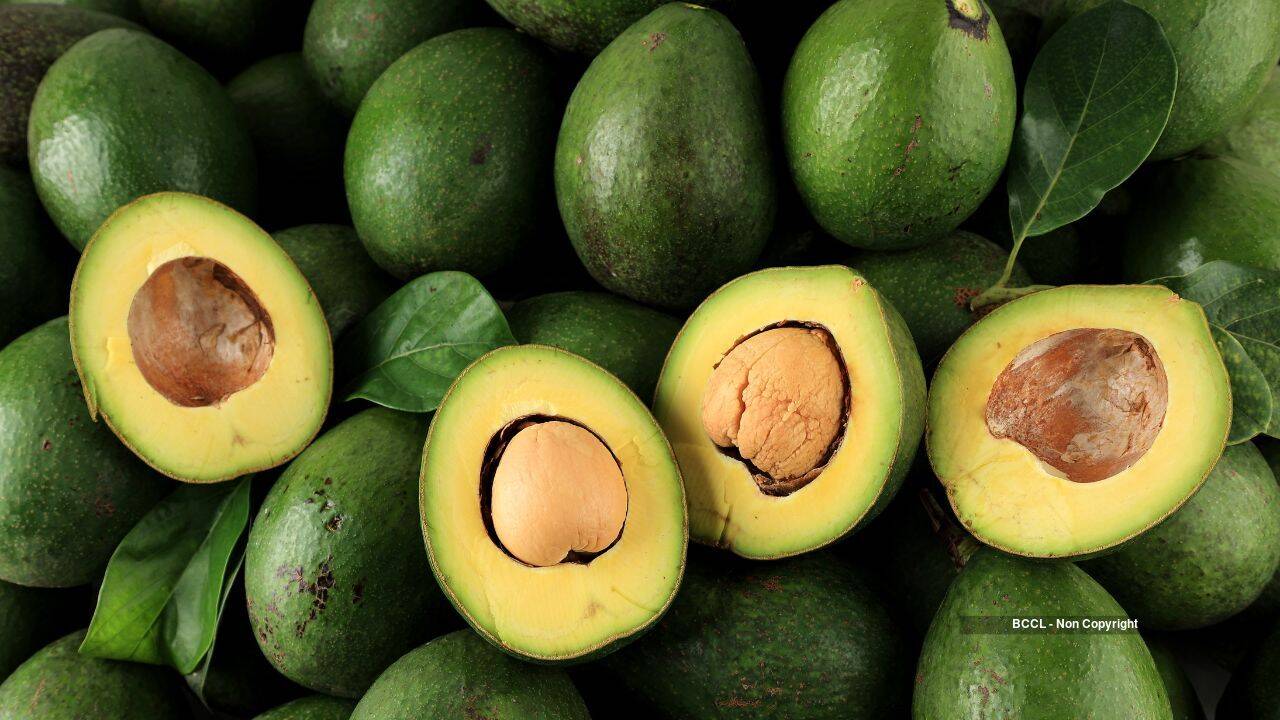
When you buy a bag of Hass avocados, you're probably thinking about toast or guacamole, not international trade law. But a fascinating piece of economic research shows that agricultural bureaucracy can accidentally fix environmental problems.
Back in 2016, the United States opened its borders wider to Mexican avocado imports. There was a massive catch. Shippers had to comply with ruthless oversight from the USDA, clear rigorous inspections, and prove their orchards were totally free of pests like fruit flies. If shipments arrived with high pesticide residues, border rejections meant massive financial losses for growers. Read more on a related issue: this related article.
That single policy shift changed how farmers grew food. Instead of blanketing fields with chemicals on a lazy schedule, producers had to adopt precise pest management.
The Surprising Drop in Nitrogen Runoff
Commercial farming is messy. Growing massive amounts of fruit requires heavy applications of nitrogen fertilizers and chemical sprays. When heavy rains hit, those residues wash straight into local streams and rivers. More reporting by The Motley Fool explores similar views on the subject.
Nitrogen runoff isn't just a minor issue. It sparks massive algal blooms, chokes aquatic life of oxygen, and wrecks local drinking water.
Data from a study analyzing the Mexican Hass Avocado Import Program tells a different story. Following the 2016 rule changes, nearby nitrogen pollution dropped by roughly ten percent. Strict trade requirements forced growers to clean up their act. Border rejections are expensive. Farmers quickly realized that scouting fields and using targeted traps was cheaper than losing access to the American market.
Challenging the Pollution Haven Theory
Economists usually love to talk about the pollution haven effect. The standard narrative claims that wealthy nations push dirty manufacturing and farming into regions with lax environmental laws.
This story flips that script entirely.
High demand from the United States usually sounds like a recipe for ecological disaster in developing agricultural zones. Yet, because the access came with non-negotiable inspection standards, the opposite happened. Trade policy acted as an environmental cleanup tool. Growers didn't adopt these practices out of the goodness of their hearts. They did it because border agents held all the cards.
What This Means for Future Trade Deals
Most people assume free trade destroys the environment. Environmentalists often push for blanket protectionism, while free-market advocates argue regulations always kill growth.
This situation proves both sides wrong.
When applied correctly, strict border criteria can force foreign producers to clean up their production methods. It creates a market-driven incentive that local governments often fail to enforce on their own. If countries tie market access to environmental and chemical thresholds, global supply chains change fast.
Next time you slice open an avocado, remember the invisible web of border inspections behind it. Bureaucracy rarely gets praised, but in this case, it kept rivers clean.