Eight college students rushed the main gate of Osan Air Base, screaming anti-American slogans and demanding the destruction of the U.S. 7th Air Force.
Security forces grabbed them before they could get far. But the chaos outside Pyeongtaek exposes a deep, festering friction that goes far beyond a simple trespassing charge. You see, this isn't just about kids acting out. It's a window into high-stakes geopolitical tension colliding with local economic development.
Let's look at what actually happened, why these activist groups are furious, and what this means for the broader U.S.-South Korean alliance.
What Triggered the Osan Air Base Breach
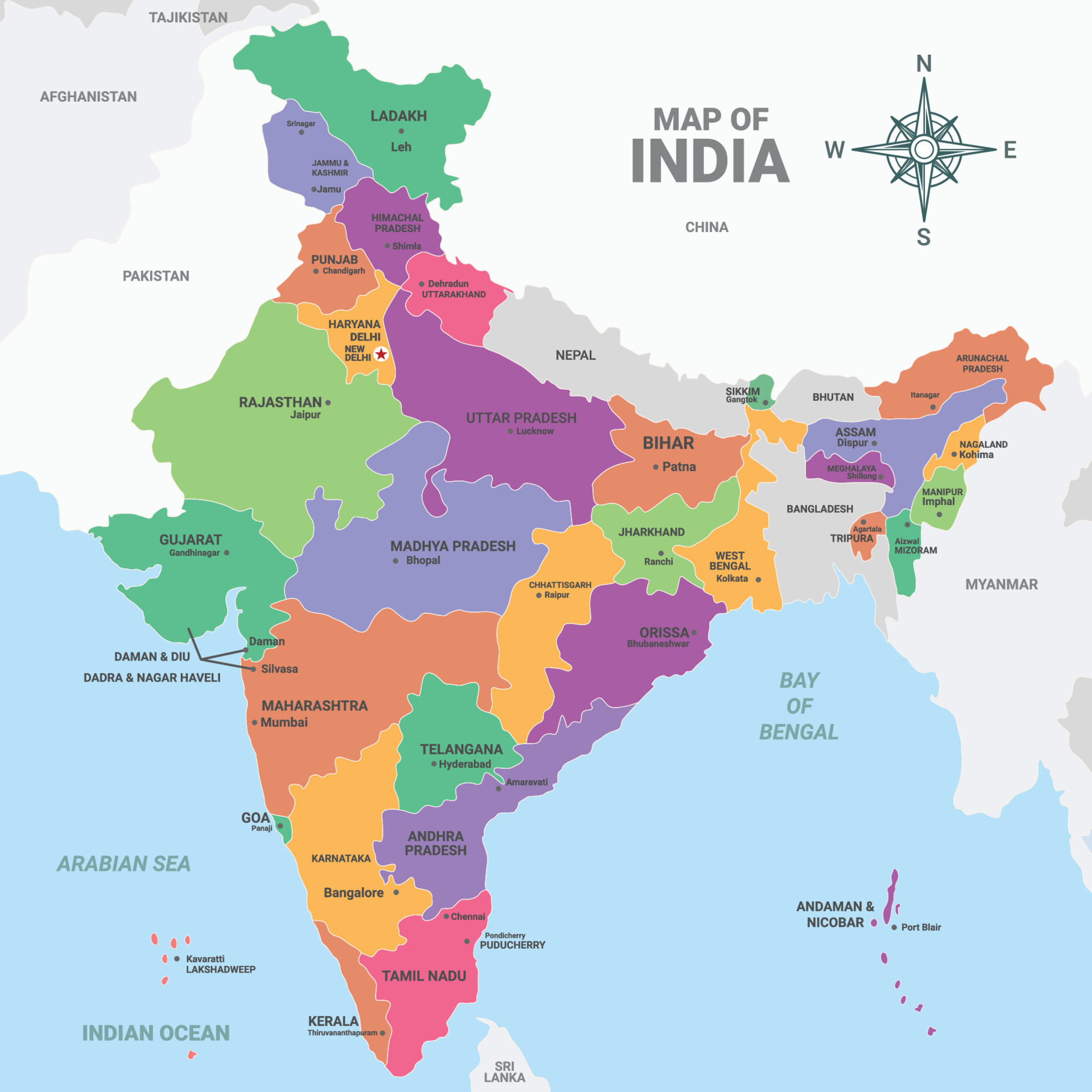
On a Tuesday morning, members of the Korean Progressive University Student Union decided to make a violent statement. Six of them managed to push past the main entrance of K-55 Osan Air Base, located roughly 60 kilometers south of Seoul, while two others were nabbed right at the threshold.
They chanted militant slogans. They invoked their right to remain silent once local police took custody of them from U.S. Forces Korea personnel.
Why target Osan? The protest wasn't random. The student union later published statements pointing directly to a massive domestic economic dispute: a proposed semiconductor cluster project.
The Semiconductor Clash Behind the Slogans
South Korea wants to build a massive cutting-edge chip manufacturing hub in the southwestern city of Gwangju. The catch? Local plans involve relocating an existing military airport to clear the ground for this multi-billion-dollar tech initiative.
The U.S. military has major strategic stakes tied to that airfield. Washington raised concerns that shifting or altering the facility could compromise important defense capabilities.
To the student activists, American security interests are actively choking South Korea's economic future. They framed the U.S. military as an obstacle to national prosperity. They also pointed to environmental grievances, including a recent white phosphorus leakage incident at the base, to fuel local outrage.
The Reality of Anti-US Sentiment in South Korea
Roughly 28,500 American troops are stationed across South Korea. That military footprint is a direct legacy of the 1950-53 Korean War, which concluded with an armistice rather than a formal peace treaty.
Public opinion polls routinely show that a solid majority of South Koreans support the bilateral alliance. People know North Korea isn't backing down. They recognize the value of a nuclear deterrent.
Even so, the massive foreign military presence acts lightning rod for radical student groups and leftist political factions.
Think back to 2019. Four student activists managed to break straight into the U.S. ambassador's residence in Seoul. Their grievance back then? Outrage over American demands for Seoul to pay a much larger share of stationing costs.
What Happens Next for the Detained Students
The eight students are currently facing intense scrutiny under South Korea's strict military installation protection laws. Because they invoked their right to silence during initial interrogations, investigators have a tougher road ahead in mapping out the exact coordination behind the breach.
Meanwhile, U.S. Forces Korea issued a blunt statement. They treat unauthorized access attempts with absolute seriousness. The legal fallout will play out strictly through local and military legal channels, but the political shockwaves are already spreading.
Economic ambitions and national defense priorities are colliding hard in Pyeongtaek. Expect local leaders to face tougher questions on how to balance massive industrial projects with allied security commitments without letting streets and air bases turn into battlegrounds.