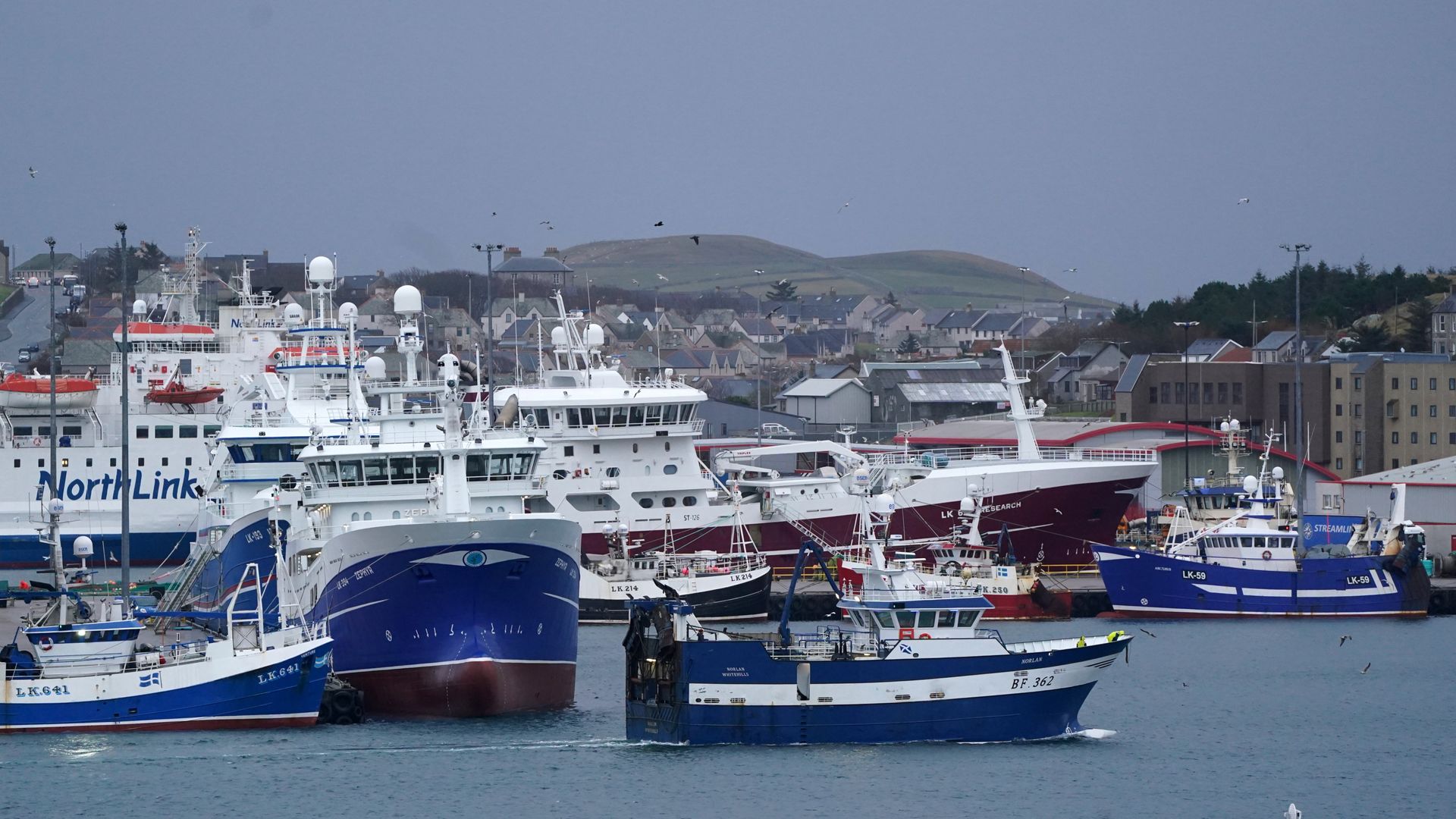
Shetland is hit by a massive transport crisis, and nobody outside the islands seems to grasp how bad it actually is.
The inter-island ferry fleet is ancient. The average boat is over 32 years old, which makes it older than the famously unreliable CalMac fleet in the Western Isles. These ships break down constantly. They miss crossings, strand families, and strangle local commerce. When the boats don't run, life stops.
The Shetland Islands Council just voted to back a draft strategy that ditches the old sticking-plaster approach. Instead of buying more depreciating boats, they want to drill deep into the North Atlantic seabed.
We're looking at an ambitious £1.5 billion subsea tunnel network. It's a huge sum of money, but when you look closely at the math and the sheer human cost of doing nothing, it's clear that tunnels aren't a luxury. They're the only way these communities survive.
The Massive Price Tag and the Island Routes
The full vision covers four separate subsea tunnels designed to link the mainland with outlying populations. The initial focus targets the north islands, where the economic bleeding is worst.
- Mainland to Yell: A proposed road tunnel stretching under Yell Sound. Estimated build cost sits at £352 million, with an extra £90 million needed for 60 years of operation.
- Yell to Unst: Connecting the two northernmost islands. This stretch is estimated at £300 million to build, plus £72 million in long-term operational costs.
- Whalsay and Bressay: Two additional tunnels planned for a later phase to hook up the eastern islands.
The council expects the first tunnels to open by 2034 if they can secure the cash. That sounds like a long way off, but engineering firms like Stantec and COWI have already completed the initial modeling. They confirmed the rock is buildable. The engineering is straightforward; the politics and the money are the real headaches.
Why the Current Ferry System Is Failure by Design
People who live in big cities treat public transport as a convenience. In Shetland, the 12-vessel ferry fleet is the actual backbone of society. It makes 70,000 trips a year and moves 750,000 passengers.
But you can't run a modern economy on 30-year-old boats. The population in these outer islands has plummeted by 24% over the last four decades. Young people refuse to stay when a missed evening ferry means you can't go to university classes on the mainland, work a late shift, or see friends. Businesses are closing because they can't guarantee freight deliveries. Even the SaxaVord Spaceport on Unst needs reliable, heavy-duty transport links that a small ferry simply can't provide.
If the council chooses to stay with ferries, they still have to spend hundreds of millions replacing the ships anyway. Ferries burn diesel, require constant crew shifts, and fight against unpredictable North Atlantic gales. Tunnels stay open 24/7, cost far less to run once they're dug, and cut carbon emissions to zero for electric vehicles.
The Faroese Model Shows Exactly How It Works
Critics love to scoff at a £1.5 billion price tag for a population of 23,000 people. They think it's an unrealistic pipe dream. They're wrong. You only have to look across the water to the Faroe Islands to see the exact blueprint.
The Faroes have built a massive network of subsea tunnels, including the famous Eysturoyartunnilin, which features the world’s first underwater roundabout. What happened after they built them? The exact opposite of Shetland. The Faroese outer islands saw immediate repopulation. The average age of residents dropped. Local businesses boomed because workers could commute easily without staring at a timetable.
Shetland isn't inventing new technology here. They're just trying to catch up with Scandinavia.
Who Is Going to Pay for This
The biggest hurdle is the funding model. The Shetland Islands Council can't write a £1.5 billion check on its own.
The plan relies on a mix of public funding and private investment. The council will press the Scottish and UK governments to step up, potentially pulling cash from the National Wealth Fund or the Scottish National Investment Bank.
The rest will come from private investors who will recoup their money through a toll system, exactly like the Faroe Islands use. Islanders are already used to paying ferry fares, so switching those fees over to a tunnel toll makes perfect sense.
What Happens Next
The council's vote means the project moves from basic theories to hard financial planning.
- Step 1: The council will immediately start formal market testing with global investors to see who has the appetite to finance the work.
- Step 2: Political lobbying shifts into high gear. Council leaders are taking the business cases straight to Edinburgh and London to secure core infrastructure commitments.
- Step 3: The Unst and Yell tunnel action groups are moving forward with specialized sonar and seismic ground investigations alongside Norwegian consultants Norconsult to map out the exact paths through the rock.
If you want to track the progress or see the detailed breakdown of the routes, you can read the full Inter-Island Transport Connectivity Strategy updates directly on the Shetland Islands Council Portal.