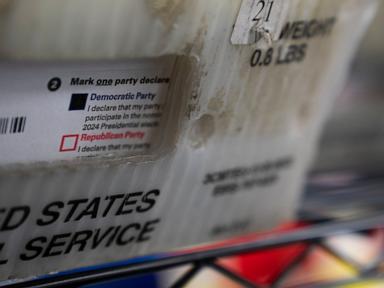
Elections are stressful enough without eleventh-hour rule changes threatening to throw the whole system into gridlock. Millions of Americans rely on mail-in voting every single cycle. For months, a thick fog of legal uncertainty hung over local election offices nationwide.
Then came the intervention.
The U.S. Supreme Court stepped in and refused to let the Trump administration upend mail voting rules right as voting started. The court's decision means states keep their existing procedures intact. No sudden Postal Service interference. No chaos at the last minute.
Let's break down what actually happened, why it matters right now, and what you need to know if you plan on casting your ballot from home.
The Battle Over the Mailbox
At the heart of the dispute was a push by the administration to force major changes through executive action. The plan wanted to involve the U.S. Postal Service directly in vetting who gets a ballot, requiring states to submit strict eligibility lists or risk having deliveries blocked.
Election administrators panicked.
Local officials across the country warned that imposing new bureaucratic layers right when millions of envelopes were heading to mailboxes would trigger widespread disenfranchisement. Think about thousands of valid votes stuck in postal limbo simply because federal agencies and state offices couldn't sync up overnight.
Secretary of State Shirley Weber of California didn't mince words, calling the ruling a relief that lets election workers get back to business without a dark cloud hanging overhead. When nearly a third of all voters cast ballots through the mail—as recorded by the Election Assistance Commission in recent cycles—any disruption cascades instantly.
Why the High Court Said No
The Supreme Court issued a brief emergency order noting that the administration's restrictions are unlikely to survive ongoing legal challenges. Justices Samuel Alito and Clarence Thomas dissented, arguing that postal authorities hold broad regulatory powers over mail delivery. Meanwhile, Justice Brett Kavanaugh signaled he might be open to the administration's arguments down the road, but agreed that implementing them right in the middle of active voting was a bridge too far.
Timing is everything in election law. Judges routinely block sweeping procedural overhauls right before an election to avoid voter confusion. The Constitution leaves the nuts and bolts of running elections to the states and Congress, not the executive branch. That constitutional boundary proved too tough for the administration's emergency petition to clear.
What This Means for Your Ballot
If you are planning to vote by mail this season, take a deep breath.
Your state's current rules apply. You don't need to look for surprise changes or worry about the postal carrier refusing your envelope due to new federal mandates.
However, peace of mind doesn't mean you should procrastinate. Mail-in voting demands attention to detail.
- Request your ballot early if your state requires an application.
- Check signature requirements carefully because matching issues cause most rejections.
- Drop your ballot off at an official secure drop box or mail it well ahead of the deadline to beat postal delays.
The legal cloud is gone for now. Your vote flows normally. Make it count.
Supreme Court rejects Trump mail ballot restrictions ahead of midterms
This video report provides a direct breakdown of the Supreme Court's emergency order and how it impacts voters heading into the midterms.


