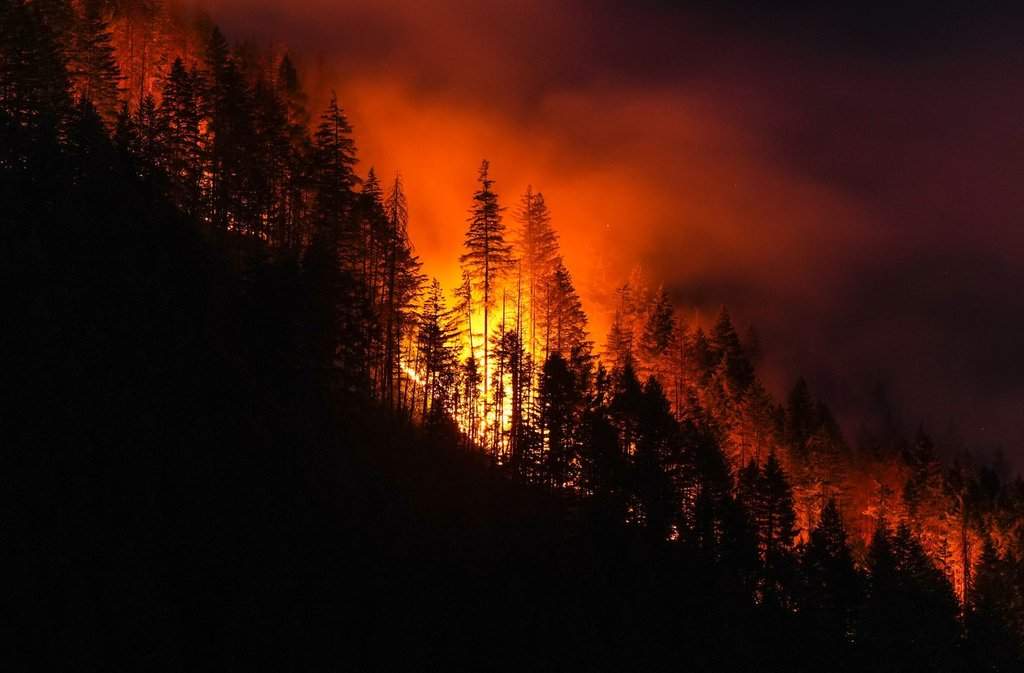
Flames don't just consume timber and drywall; they chew up a sense of security that takes years to piece back together. If you've ever watched an orange sky swallow your hometown, you know the panic of a sudden wildfire evacuation isn't something you just shake off when the smoke clears.
Terese Greenwood knows this reality better than most. Her home burned to the ground during the massive 2016 Fort McMurray wildfire, forcing her into an abrupt, terrifying exodus alongside nearly 90,000 other residents. Years later, she speaks openly about the hidden weight of evacuation trauma and why fleeing disaster changes you permanently.
The Reality of Fleeing With No Notice
When a wildfire moves, it moves fast. You don't get a neat checklist or three days to pack sentimental heirlooms. You grab what's closest, herd your family into a car, and pray the highway out isn't blocked by a wall of fire.
During the Fort McMurray crisis, emergency routes turned into bottlenecks of glowing embers and thick, black smoke. Families stared down an apocalyptic landscape where leaving felt like a gamble, but staying meant certain death.
"Your job as the resident is to make sure you're safe," Greenwood notes, reflecting on the chaos. Trusting the fire department and following mandatory orders isn't optional when municipal crews are fighting to keep escape corridors open.
The Invisible Weight After the Smoke Clears
People ask when things go back to normal, but normal is a myth after a disaster. Physical rebuilding takes months or years, but psychological recovery operates on an entirely different, unpredictable timeline.
Survivors often find themselves rattled by ordinary triggers. A sudden siren, a faint smell of woodsmoke, or even seeing a child's toy can flash an evacuee right back to the highway shoulder. Greenwood points out that everyday objects catch people off guard years down the line because trauma doesn't keep a schedule.
Research backs this up. Public health surveys conducted after the 2016 fires revealed high rates of post-traumatic stress, anxiety, and sleep disorders among displaced residents long after the evacuation orders lifted. The threat doesn't vanish just because the fire is out.
Letting Go of Material Weight
Losing everything forces a radical shift in perspective. Greenwood went from managing a large four-bedroom house packed with decades of family clutter to owning practically nothing overnight.
When you survive a disaster, physical possessions lose their grip on you. Many families who rebuild realize they don't actually need the excess space or the accumulated stuff. Downsizing becomes a natural byproduct of survival—a physical manifestation of a cleaned slate.
Practical Steps for Processing Evacuation Stress
If you're currently facing a wildfire alert or trying to heal from past displacement, you need actionable ways to navigate the mental fallout.
- Acknowledge the emotional spectrum: There is no correct way to feel. Anger, numbness, grief, and relief can all hit you at the exact same time.
- Connect with your community: Talk to neighbors or fellow evacuees who actually witnessed what you saw. Shared understanding cuts through isolation.
- Expect delayed reactions: Give yourself grace if a random trigger brings unexpected tears months after the event.
- Prioritize professional support: Don't hesitate to lean on counseling services designed specifically for disaster recovery and trauma management.
Take it one day at a time, lean on the people standing next to you, and remember that healing happens quietly in the background.