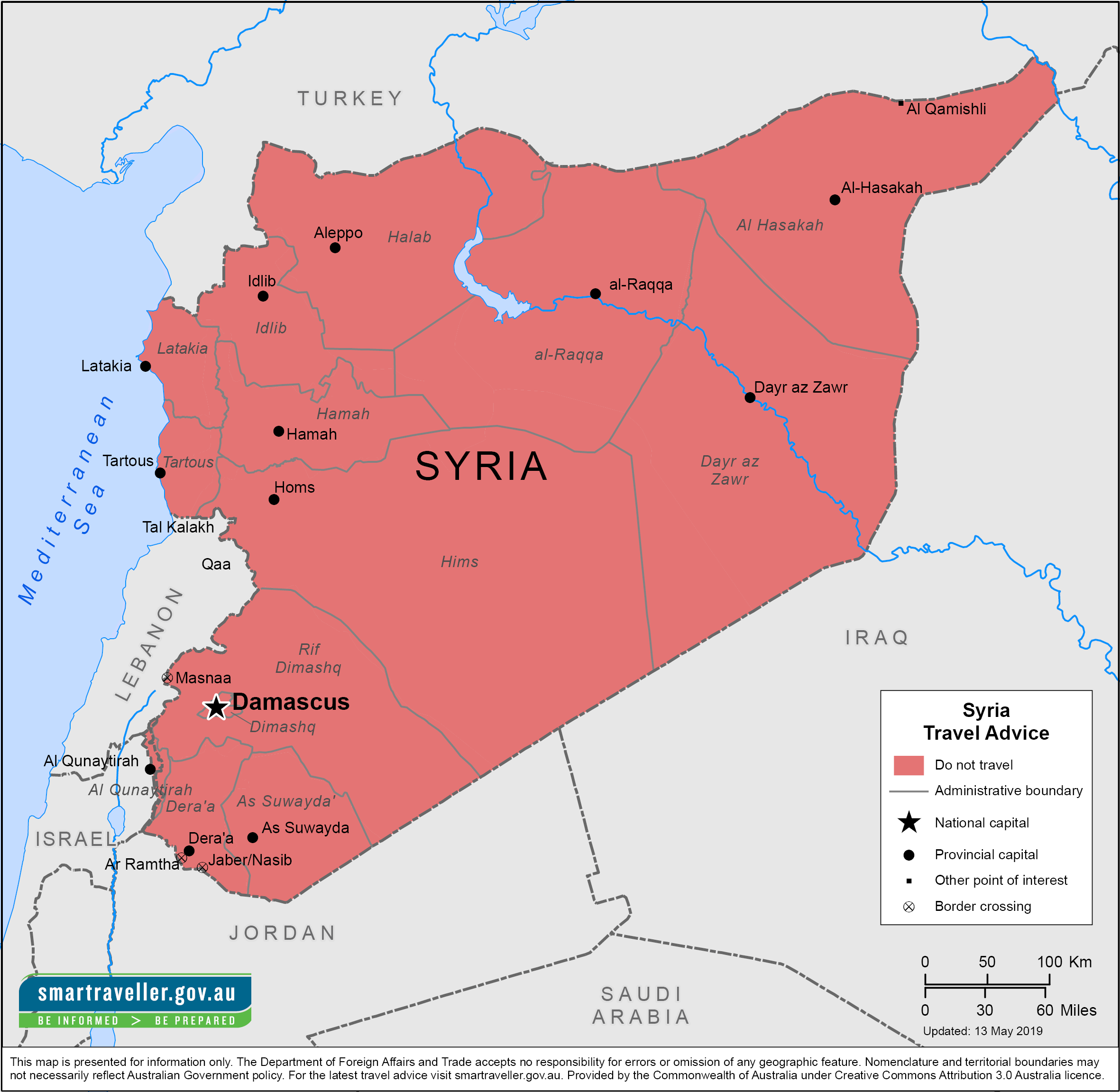
You can't afford to ignore what just happened in Syria. When the government raised diesel prices by roughly 40 percent and petrol by more than 25 percent overnight, citizens didn't quietly accept it. They hit the streets. Major highways in Aleppo, Idlib, and Hasakeh filled with burning tires and angry demonstrators. This marks the most significant wave of public unrest since the fall of longtime ruler Bashar al-Assad in late 2024.
Let's look at why this crisis erupted so fast. The Energy Ministry framed the hike as a temporary measure driven by soaring global procurement costs and regional conflict. Officials pointed out that Syria produces only around 100,000 barrels of oil daily against a domestic demand of up to 325,000 barrels. With the country relying heavily on expensive imports, global market shocks hit local wallets immediately. Don't miss our previous post on this related article.
Diesel carries a much heavier burden than regular petrol in the region. People don't just use it to fuel transport vans and taxis; they rely on it for home heating and backup power generation. When winter approaches, a 40 percent price spike on diesel means families face impossible choices between keeping warm and buying food.
The economic context makes these numbers even worse. The United Nations estimates that about 90 percent of Syrians live below the poverty line. Minimum wages simply don't match the new economic reality. Taxi drivers in Homs and other cities raised passenger fares within hours of the announcement, cascading the pain across the entire local economy. To read more about the background of this, Al Jazeera provides an informative summary.
Citizens aren't just reacting to spreadsheets—they are reacting to survival pressure. Public frustration led to blocked roads, halted oil tanker convoys, and demands for government accountability. In response, the newly formed Syrian parliament scheduled a hearing for Energy Minister Mohammad al-Bashir to explain the financial shortfall and address public outrage.
Fixing an economy shattered by decades of conflict and corruption takes time. But until production catches up with domestic demand, energy pricing will remain a volatile spark for social stability.
Syria Protests: Fuel Prices Just Sparked Public Anger
This short video provides a quick look at the sudden public demonstrations triggered by the recent fuel price hikes across Syria.
http://googleusercontent.com/youtube_content/1