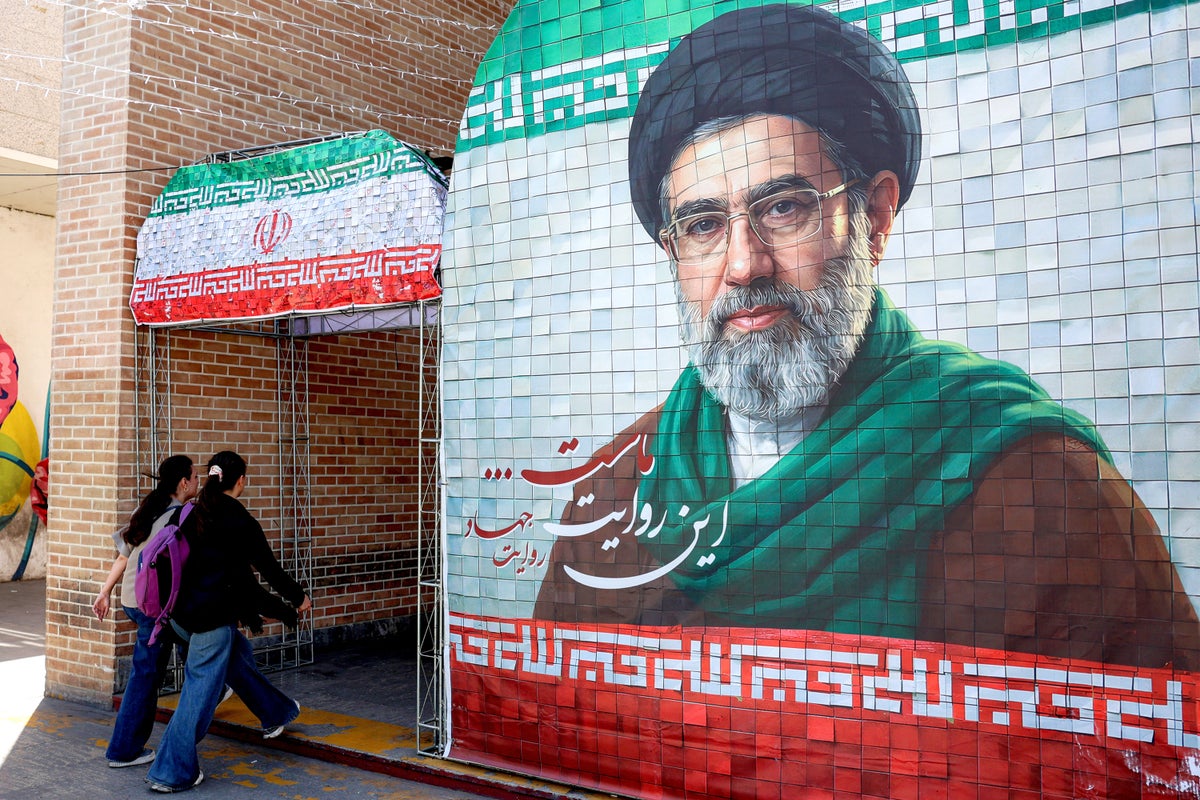
Communication inside Iran's fractured political core is breaking down. Iranian President Masoud Pezeshkian openly admitted that regular interaction with Supreme Leader Mojtaba Khamenei is exceptionally difficult.
If you are trying to understand how Tehran functions right now, look past the official press releases. The reality at the top is defined by strict security paranoia, physical isolation, and a total reliance on written memos instead of face-to-face governance.
The High Cost of Security Paranoia
Ever since the devastating military escalation involving US and Israeli strikes that killed the former long-standing leader Ali Khamenei, the inner circle has gone deep underground. His successor and son, Mojtaba Khamenei, took the mantle while recovering from injuries sustained in those very strikes. He hasn't made a single public appearance.
Not one.
This absence isn't just about optics. It is a matter of basic survival. Iranian media outlets note that the regime actively avoids broadcasting audio recordings of the supreme leader. Security teams fear that modern intelligence agencies can track acoustic signatures, background electrical grid hums, or voice stress patterns to pinpoint a exact location. When your survival depends on remaining invisible, even a phone call becomes a dangerous security liability.
How Government Works in the Shadows
When the president of a country cannot easily reach the absolute head of state, state business slows to a crawl. Governance shifts entirely to written correspondence.
Pezeshkian insisted in state TV interviews that his limited meetings and letters with Khamenei are grounded in sound logic. Yet, rumors of friction refuse to die. Reports from local media point to tense exchanges behind closed doors, including warnings about cabinet resignations.
Operating a nation under persistent military pressure while the top authority remains a ghost creates massive administrative bottlenecks. Bureaucrats wait weeks for written directives. Ministries hesitate to make bold policy shifts without direct clearance.
What This Means for Regional Stability
Foreign policy doesn't pause just because a leader is hiding. Tehran continues to navigate proxy dynamics, regional diplomacy with neighbors like Oman, and indirect talks regarding regional de-escalation.
When leadership is decentralized and heavily obscured, miscalculations multiply. Foreign diplomats struggle to know whether a message delivered to Pezeshkian actually reflects the final will of the supreme leader.
The Iranian government wants the world to see a united front. They want to project strength against external pressure. Behind the curtain, isolation is breeding institutional paralysis.
Watch the written edicts coming out of Tehran. They are the only window left into a regime that has locked its doors from the inside.
Iran confirms death of 86-year-old Supreme Leader Ayatollah Ali Khamenei
This video provides context on the leadership transition and the high-stakes environment following the death of the previous supreme leader.