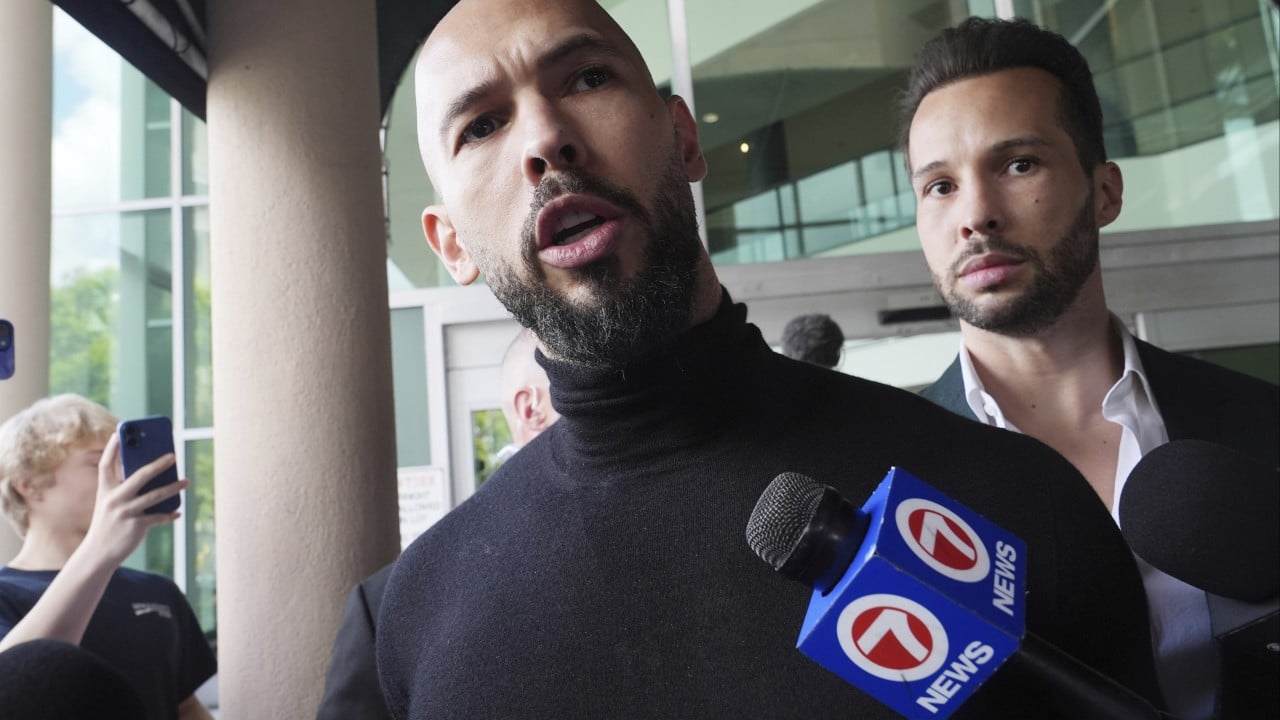
Andrew and Tristan Tate thought their online notoriety might protect them. They were wrong. A federal judge in Miami just handed down a sharp reality check, denying the controversial social media influencers any chance at freedom while they fight extradition to the United Kingdom.
U.S. Magistrate Judge Lauren Louis didn't hesitate. The ruling makes it clear that wealth, high-profile status, and flashy internet personas do not grant immunity from standard extradition custody rules. For now, the brothers remain locked inside the Federal Detention Center in Miami.
Why the Judge Shut Down the Release Request
The legal battle centers around serious British charges. The UK wants Andrew and Tristan Tate extradited to face accusations including rape, assault, and facilitating trafficking for sexual exploitation spanning several years.
During bond arguments, defense lawyers tried a unique angle. They claimed the brothers' massive public visibility and digital footprints made fleeing impossible. They also argued that online boasts about private jets, luxury cars, and multiple passports were just theatrical characters meant to boost clout, not reality.
Prosecutors saw right through that defense. Assistant U.S. Attorney Abbie Waxman presented evidence highlighting the severe nature of the allegations, pointing out that the brothers possess an exceptional capacity and financial means to vanish across borders. Judge Louis agreed, classifying them as quintessential flight risks who failed to satisfy the legal thresholds required for pretrial release in international extradition cases.
The Double-Front Legal Nightmare
The refusal to grant bail leaves the Tates in a brutal cross-border bind. Their defense team argued that keeping them locked up in Florida creates an impossible hurdle. While sitting in a Miami jail, the brothers are expected to manage ongoing, separate legal battles unfolding in Romania.
Romanian prosecutors recently indicted Andrew Tate on charges of trafficking minors, money laundering, sex with a minor, and witness tampering, while Tristan Tate faces complicity charges. Their legal counsel has voiced frustration, noting that regular, secure calls from an American federal cellblock make coordinating a complex defense across multiple continents practically unworkable.
Yet, American courts rarely grant bail when facing high-stakes extradition requests from allied nations. Once a foreign government issues an arrest warrant and initiates formal proceedings, the presumption heavily favors detention.
What Happens Next in the Case
The extradition process moves at its own sluggish pace. Britain's Crown Prosecution Service is working against strict deadlines to finalize and submit its complete evidentiary package to the U.S. State Department.
If you are following this case closely, watch the timeline of the State Department filings. The proceedings could stretch across months as lawyers battle over jurisdiction, the validity of the British warrants, and the dual-criminality requirements under international treaties.
The Tate brothers built an empire on challenging authority and breaking rules. But navigating federal courtrooms in Miami operates under an entirely different set of constraints. They wanted the spotlight, and right now, that spotlight is keeping them behind iron bars.
Andrew Tate, Tristan Tate DENIED Release Amid UK Extradition Fight
This video provides a concise overview of the Miami federal court's decision to deny bail for the Tate brothers amidst their ongoing UK extradition battle.
http://googleusercontent.com/youtube_content/1