The rules of college sports changed forever when the NCAA opened the floodgates to direct payments for athletes. Now, the math isn't adding up for most universities. They’re facing a massive budget crunch, and instead of cutting back, they’ve found a new source of cash: you.
State legislatures across the country are quietly funneling taxpayer dollars into athletic departments. They’ll tell you it’s for "facility improvements" or "events marketing," but make no mistake. This is a strategic move to subsidize the skyrocketing costs of player salaries, travel, and the relentless arms race of conference realignment.
The New Math of Athletic Deficits
If you’ve followed collegiate athletics for more than a decade, you know the narrative used to be about scholarships and the purity of the amateur game. That’s dead. We’re in an era where top-tier programs are effectively professional minor leagues.
A legal settlement in 2025 set the stage for schools to pay athletes directly, with caps starting around $20 million annually per school. That number is climbing fast. For a powerhouse program, it’s a standard operating expense. For the average public university, it’s a financial nightmare.
Athletic departments are bleeding money. Operating expenses at public Division I schools have surged by roughly a third in the last four years alone. Revenue simply isn't keeping pace. When your expenses outrun your ticket sales and TV contracts, you have two choices: cut costs or find a sugar daddy. States are stepping into that role.
The Shell Game of Public Funding
Politicians are getting creative with how they move public money into sports programs. They’re smart enough to know that writing a check directly to a star quarterback for his "salary" would cause a public outcry. Instead, they use accounting maneuvers.
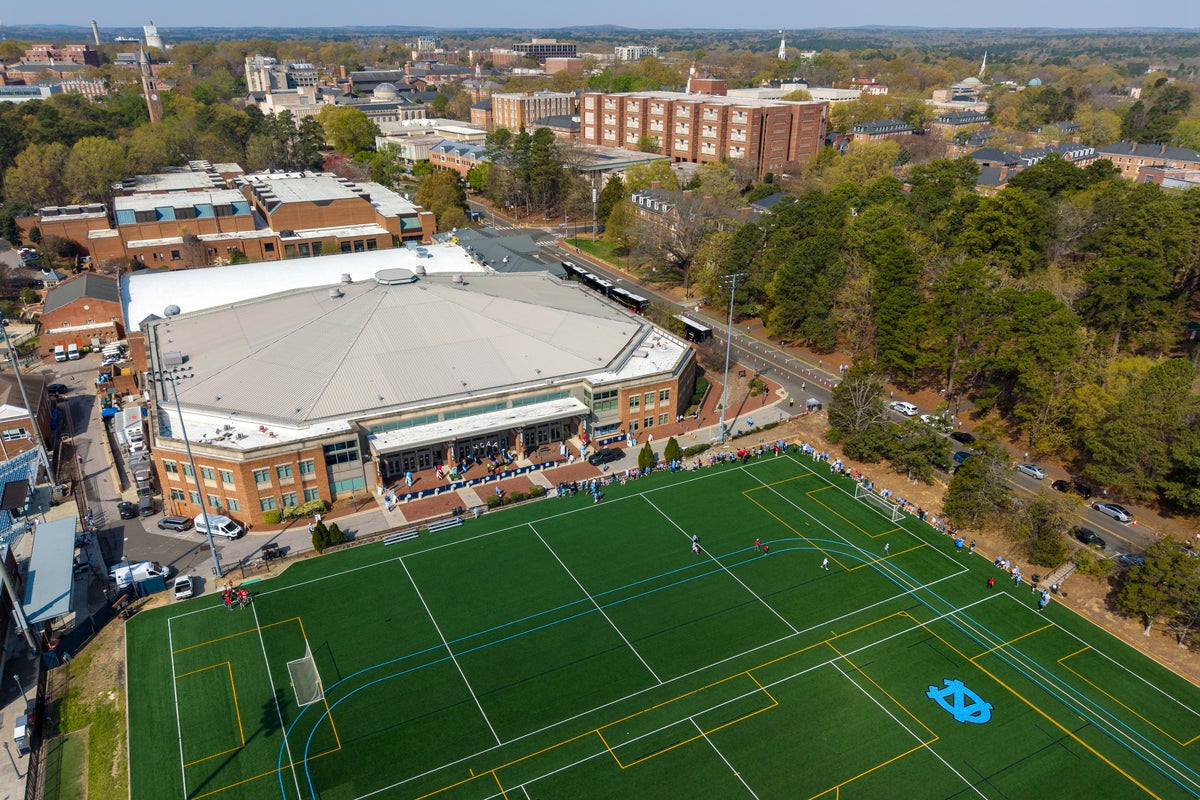
In Wisconsin, the state is picking up millions in debt payments for athletic facilities. In North Carolina, tax revenue from legalized sports betting is being earmarked for athletic departments. Connecticut is authorizing state tax credits for donations to the university’s athletic programs.
Look closely at the language. They aren't paying the players. They are just covering the infrastructure costs—the debt, the buildings, the marketing—that the university used to pay for itself. By covering those "overhead" costs, the state frees up the university’s internal budget to write bigger checks to athletes. It’s a classic shell game. The taxpayer is effectively subsidizing the roster.
Why This Arms Race Won't End
Supporters of these subsidies argue that successful sports teams provide cultural and economic value to the state. I’ve heard the argument: a bad football team hurts the state’s brand. That’s a convenient narrative for a lawmaker who wants to keep boosters happy.
But there is a darker side to this. This is the definition of a subsidy arms race.
If North Carolina or Wisconsin puts millions into their programs, their rivals in the SEC or Big Ten immediately feel the pressure to respond. They run to their own state legislatures, pointing at the neighboring state’s funding package as proof that they need state help just to "remain competitive."
There is no natural ceiling here. The federal government is even considering legislation that could push the annual cap for athlete payments toward $50 million per school. If that happens, you can bet that the demand for state-funded "facility assistance" will hit the roof.
What This Means for You
If you’re a taxpayer, you’re likely not seeing a direct return on this investment. Most athletic programs were already struggling to break even before they started paying players millions. Pumping more money into the top doesn't necessarily create better outcomes for the average student or the average fan.
Instead, it entrenches a system where public resources are tied to the fortunes of a few dozen high-profile athletes and their coaches. It shifts the priority of public universities away from academic research and affordable tuition and toward maintaining a winning record on Saturday nights.
If you’re concerned about how your state manages its budget, look at the upcoming legislative sessions. Ask your representatives if they support "athletic infrastructure grants" or "sports marketing subsidies." If they do, ask them to show you the ROI. Don't let them hide behind vague talk of "state pride."
The era of the self-sustaining college athletic department is effectively over. We are now paying for the privilege of watching these teams compete. It’s time we treated it like the business it is, rather than a sacred institution that requires public bailouts.