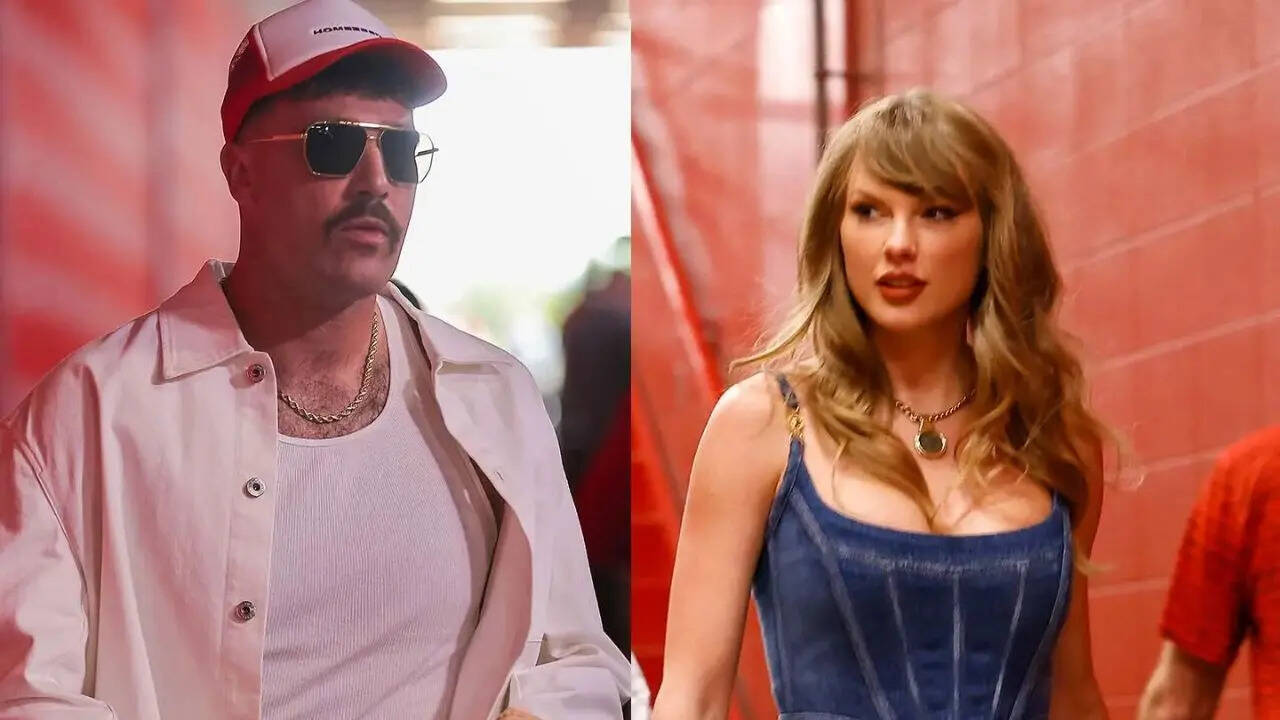
Celebrity philanthropy usually looks like a tax write-off wrapped in a glossy PR stunt. A quick photo op, a check handed over with a tight smile, and everyone goes home. But when Taylor Swift and Travis Kelce dropped a staggering $26 million across 20 different U.S. charities, they didn't do it quietly, nor did they treat it like a minor line item.
Let's look at what actually happened behind the headlines. While gossip columns were obsessing over venue security and guest lists for their high-profile New York City celebrations, the couple quietly funneled life-changing capital directly into organizations that keep communities afloat.
Where the Money Actually Went
Most celebrity donations vanish into vague foundation pools where you never know where a single dollar lands. This wasn't that. The $26 million was distributed strategically across twenty distinct organizations touching food security, pediatric healthcare, education, and animal welfare.
Food insecurity took center stage. Regional food banks spanning New York, Los Angeles, Kansas City, and Reading, Pennsylvania received massive boosts. If you've ever volunteered at a community food hub, you know how desperate the funding gaps get during peak economic crunches. These aren't small grants; these are operating funds that keep truckloads of fresh food moving to families who need it most.
Then there is the healthcare sector. Major institutions like Hassenfeld Children's Hospital at NYU Langone, Children's Mercy Hospital in Kansas City, and MSK Kids—the pediatric cancer program at Memorial Sloan Kettering—received substantial backing. When elite athletes and global pop icons put real capital behind pediatric oncology and family support programs, it changes the immediate capabilities of those medical teams.
Beyond the PR Cycle
Critics always look for hidden motives when famous people spend big. Sure, the timing coincided with intense media speculation surrounding their wedding. But let's be real—does the motivation matter if a child gets access to books or a family gets a warm meal?
Take Dolly Parton's Imagination Library, which also scored support from the couple. Dolly publicly thanked them for the backing, highlighting how literacy programs rely on massive injections of outside funding to mail free books to millions of kids. When artists support other artists' community initiatives, it creates an ecosystem of giving that outlasts any single news cycle.
We rarely see celebrity couples coordinate large-scale domestic philanthropy with this level of geographic precision. They didn't just pick one generic international fund and call it a day. They hit the cities that defined their lives and careers—New York, Kansas City, Los Angeles, and local hometown hubs.
Charity works best when it targets local infrastructure. By backing established networks like Feeding America, City Harvest, and the ASPCA alongside regional pillars, Swift and Kelce bypassed the usual bureaucratic red tape. They handed fuel to the engines already doing the heavy lifting on the ground.
Next time a headline reduces a massive philanthropic effort to a mere footnote of a celebrity wedding, remember the food banks, hospitals, and literacy programs that are currently operating with millions of extra dollars. That is what real impact looks like when the cameras turn off.