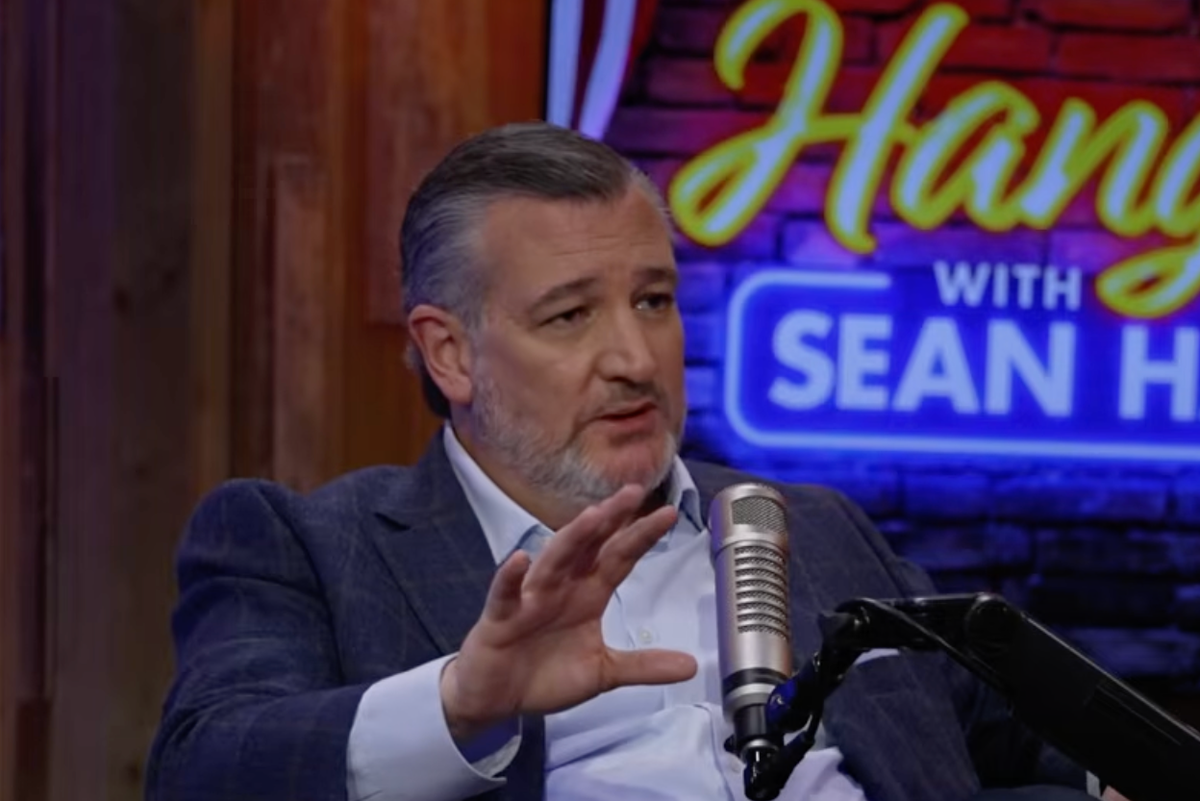
Politics makes strange bedfellows. It turns bitter personal enemies into loyal cheerleaders. When Texas Senator Ted Cruz sat down with Sean Hannity recently, he didn't complain about the insults of 2016. He called them brilliant.
Back during the brutal 2016 Republican presidential primaries, Donald Trump tore through his opponents with crude personal attacks. He targeted Marco Rubio as Little Marco. He dragged Cruz's father into wild conspiracy theories. Worst of all, he went after Heidi Cruz, posting an unflattering photo of the senator's wife and threatening to expose private matters.
Yet years later, Cruz is praising the man who humiliated him on national television. He calls the infamous Lyin' Ted moniker a stroke of political genius. Is this pure opportunism, or a realistic look at how modern American campaigns actually work? Let us look at what really happened and why Cruz's recent comments reveal the cold mechanics of modern political survival.
Deconstructing the Lyin Ted Strategy
Why did the moniker hurt so badly at the time? Cruz built his entire political brand on authenticity. He positioned himself as the uncompromising constitutional conservative who stood up to his own party leadership. Voters trusted that he meant what he said.
Trump understood this vulnerability instantly. If you can shatter an opponent's core strength, you win. By labeling him Lyin' Ted, Trump didn't just insult him. He hijacked the narrative. He turned Cruz's primary asset—his reputation for absolute ideological consistency—into a massive liability.
Cruz admitted this dynamic on Hannity's podcast. He noted that the label was devastating because it directly challenged the trust voters placed in him. In a crowded primary field where everyone claimed to be conservative, planting a seed of doubt about personal honesty is lethal. Trump didn't need a complex policy paper. He needed a catchy, destructive label that stuck to television screens and social media feeds.
The Evolution of a Political Marriage
The transformation from mortal enemies to close allies didn't happen overnight. It was forged in the fires of legislative reality and self-preservation. After Trump won the White House, Cruz realized he had a choice. He could remain an isolated senator nursing old grudges, or he could align with the dominant force in his party and actually pass legislation.
He chose alignment. Today, Cruz votes with party lines consistently and acts as one of Trump's most vocal defenders in the Senate. Critics call it spineless. Supporters call it pragmatic leadership.
When you look closely at Washington, political survival requires transactional flexibility. Grudges don't fund campaigns or pass bills. Aligning with power does. Cruz understood that staying relevant meant burying the hatchet, even after someone attacked his family.
Lessons from the 2016 Republican Playbook
The 2016 primary changed political communication forever. Before Trump, campaigns relied heavily on focus-grouped ads, polished debate performances, and carefully scripted talking points. Trump threw out the rulebook and replaced it with raw instinct and viral branding.
Other candidates struggled to adapt. Jeb Bush tried low-energy attacks. Marco Rubio tried trading schoolyard insults back. None of it worked because Trump controlled the emotional temperature of the room. Cruz tried the high road initially, delivering a stern lecture about real men not attacking women, but it got steamrolled by the 24-hour news cycle.
Look at how campaigns operate today. Every major candidate tries to capture that same lightning-fast framing ability. Short, sharp attacks dominate digital media. Nuance gets buried. Cruz labeling Trump's strategy as genius is an acknowledgment that the old rules of political engagement are dead.
What Most People Miss About Political Feuds
Voters often expect politicians to act like characters in a drama series, holding onto moral outrage forever. Real life doesn't work that way. Power centers shift, alliances reform, and yesterday's enemy becomes tomorrow's campaign surrogate.
Sean Hannity's revelation on the podcast about yelling at Trump in private using harsh New York language highlights how insulated political elites operate. Behind closed doors, deals are struck, tempers flare, and things get smoothed over. Public fury is often just performance art designed to energize the base.
Cruz isn't unique in this pivot. American political history is full of bitter rivals who later teamed up once it served their mutual interests. Think of Ronald Reagan and George H.W. Bush after their fierce 1980 primary battle. Politics is a brutal contact sport, and players who take things too personally don't last long.
Moving Forward in a Changed Landscape
If you want to understand where American politics is heading, study the 2016 primary playbook. Personality-driven branding and viral nicknames are here to stay. They cut through the noise in a media environment flooded with infinite information.
Ted Cruz survived the storm by adapting to the new reality. He stopped fighting the style of politics that nearly destroyed him and learned to validate it instead. Whether you see that as a masterclass in adaptation or a surrender of personal dignity depends entirely on your view of power. One thing is certain: in the arena of modern campaigns, results matter more than bruised feelings.