The dust hasn't fully settled over the Persian Gulf, but Tehran is already celebrating a quiet victory. While Western media outlets dissect the June 2026 Lake Lucerne four-party talks in Switzerland as a desperate bid for regional stability, the view from inside Iran is entirely different. They don't just think they survived the recent multi-week hot conflict with the United States. They believe they won it.
To understand why, you have to look past the standard Western defense analysis. For decades, military experts pointed to the raw numbers: America’s aircraft carriers, stealth bombers, and massive defense budget versus Iran’s aging air force and isolated economy. But when the shooting actually started, the asymmetry didn't play out the way Washington expected.
The Strategic Shutdown That Forced the Ceasefire
The turning point of the conflict didn't happen in the skies over Tehran. It happened at sea. When Iran briefly but completely clamped down on the Strait of Hormuz, they didn't just disrupt global shipping lines. They held the global economy hostage.
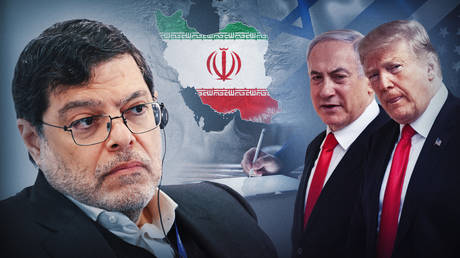
Professor Mohammad Marandi, an international affairs analyst and former advisor to Iran’s nuclear negotiation team, made the domestic perspective clear. Tehran believes shutting down that critical maritime chokepoint shattered the American illusion of control. Within hours of the closure, global energy markets panicked. United States oil reserves were reportedly hit hard, with some estimates citing only four weeks of functional reserves left.
Iran's logic is brutal but simple. They showed they could withstand financial pain, but the Western political structure could not handle an immediate, catastrophic energy spike. The subsequent June 18 Memorandum of Understanding (MoU) wasn't seen by Tehran as a compromise. It was seen as a direct concession forced by their leverage over global oil.
Why the Axis of Resistance Holds the Line
A major miscalculation in Western strategy is treating Iran as an isolated state actor rather than the hub of a deeply integrated regional network. For Tehran, the sovereignty of Lebanon and the protection of Gaza are not chips to be traded away at the negotiating table. They are non-negotiable pillars of their national security.
When Israel launched strikes on Beirut right around the expected signing of the Swiss MoU, the Western narrative painted it as a sign of Iranian weakness. From Tehran's perspective, it proved that the United States cannot control its own regional ally.
Iranian Red Lines for a Final Peace Deal:
1. Complete cessation of hostilities on all regional fronts, including Lebanon.
2. Full implementation of the June 18 ceasefire terms before final talks begin.
3. Zero concessions on the sovereignty of regional partners like Hezbollah.
The Iranian negotiating team actually walked out of the Lake Lucerne venue in Switzerland to protest direct threats from U.S. President Donald Trump. This wasn't theatrical petulance. It was a calculated display of confidence. Parliament Speaker Mohammad Baqer Qalibaf echoed this sentiment on social media, flatly stating that Iran does not take American threats seriously anymore. If U.S. military coercion worked, Iran argues, Washington wouldn't be sitting across from Qatari and Pakistani mediators trying to find an exit ramp.
The Economics of Endurance
Western sanctions were designed to crush Iran’s economy to the point of regime collapse or total surrender. Instead, they forced Iran to build a parallel economic reality. Over the last few years, Tehran patched up its long-standing rivalry with Saudi Arabia, integrated deeper into Eurasian trade networks, and diversified its domestic supply lines.
When the conflict escalated, the predicted internal collapse of Iran never materialized. Honestly, the opposite happened. The government used the external threat to unify domestic factions, while the real economic panic shifted toward Western consumer markets terrified of twenty-dollar-a-gallon gasoline.
Tehran looks at the balance sheet of the short war and sees a clear return on investment:
- They proved their regional deterrence works.
- They demonstrated that their drone and missile tech can penetrate modern defense shields.
- They forced a sitting U.S. president back to the negotiating table despite heavy hawkish rhetoric.
What Happens Next
The path forward hinges entirely on strict enforcement. The Iranian delegation made it clear that entering the final phase of negotiations is impossible unless Clause 1 of the memorandum—the total end of hostilities across all fronts, including Lebanon—is fully honored.
If you want to track where this conflict goes next, stop watching the diplomatic photo-ops in Switzerland. Watch these three concrete indicators instead:
- The Straits of Hormuz Transit Traffic: Watch the daily commercial shipping data through the strait. If Iran slows down traffic or increases inspections, it means talks are souring.
- The Status of Clause 13: Keep tabs on whether the four-party talks transition into final agreement negotiations. If the initial clauses regarding a full regional ceasefire aren't met, the deal is dead.
- U.S. Strategic Reserve Reports: Track the weekly updates on American oil reserves. The lower those numbers go, the less leverage Washington possesses to play games at the negotiating table.
Tehran isn't naive. They don't expect Washington to suddenly become a trustworthy partner, and they fully believe regional lobbies will try to sabotage the peace process. But by their own metrics, the war is already over, and the home team won.
For a deeper look into the ground reality of how these recent negotiations fell apart and why the region remains on a knife-edge, check out this detailed breakdown of Professor Marandi's analysis on the failed peace proposals. This discussion offers crucial context on why Tehran believes the initial U.S. offers were entirely unacceptable.