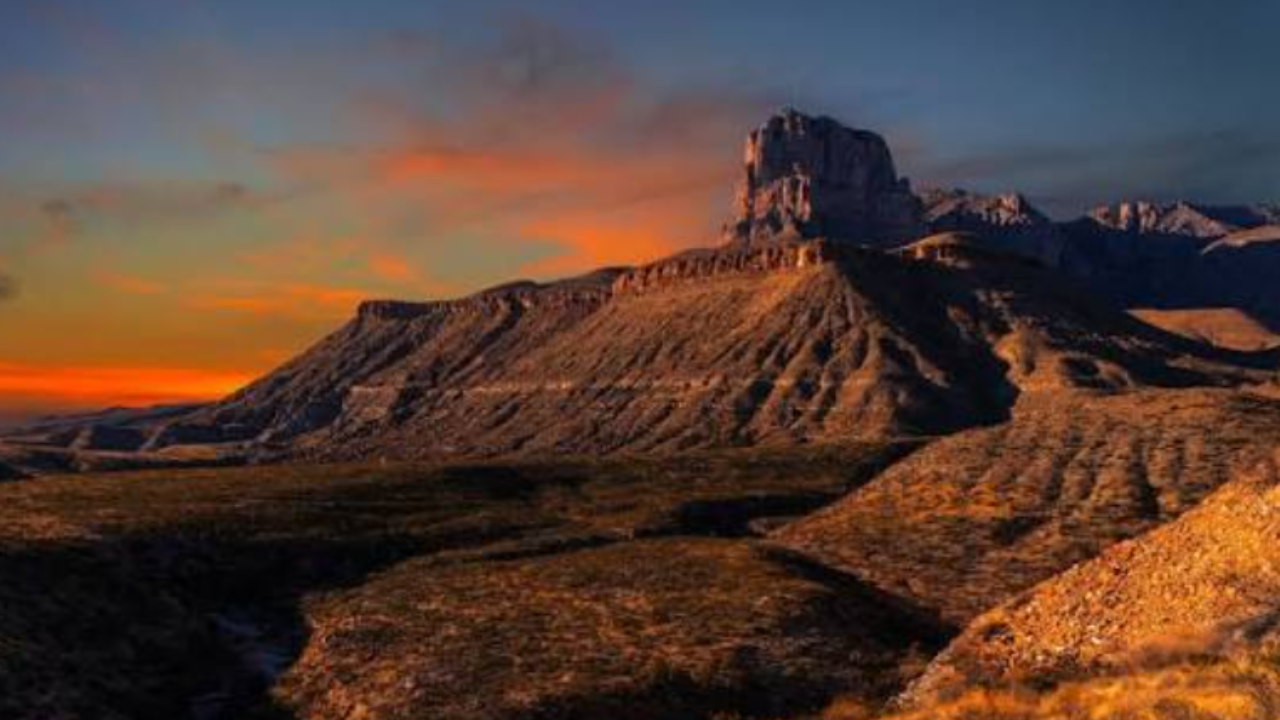
You’re driving through the stark, arid expanses of West Texas, expecting nothing more than scrub brush and heat, when suddenly a jagged limestone reef punches through the desert floor. That’s the Guadalupe Mountains. Most visitors come for Guadalupe Peak or the fall foliage blazing through McKittrick Canyon. But if it weren’t for an oil geologist who stumbled on the place in 1921, you’d probably be locked out of this national park entirely.
Wallace Pratt didn't set out to preserve a national park. He was just looking for oil leases for Humble Oil and Refining Company when local guides showed him McKittrick Canyon. Back then, standard industry wisdom said West Texas was a dry, worthless wasteland. Pratt saw something completely different. He saw towering cliffs of ancient fossilized marine reefs, crystal-clear perennial streams, and a biological anomaly hidden right in the middle of the Chihuahuan Desert.
Instead of walking away, he bought the land. And that decision changed Texas conservation history forever.
The Man Who Saw Past the Drill Bit
Geologists view the earth differently than the rest of us. When Pratt looked at McKittrick Canyon, he didn't just see a pretty picnic spot. He understood its scientific magnitude. The canyon cuts directly through the Capitan Reef—a massive, fossilized barrier reef built by marine organisms over 250 million years ago during the Permian period.
Pratt wasn't just a corporate hand; he was a visionary thinker within the early Texas oil scene. He recognized that preserving nature and extracting resources didn't always have to be mutually exclusive, though he knew deep down that some landscapes were simply too precious to turn into pump-jack fields. He bought acreage alongside business partners to use as a quiet summer retreat, escaping the blistering heat of the oil patch for the cool mountain air and shaded maple groves of the canyon.
Building a Stone Sanctuary in the Desert
Owning a remote slice of wilderness means hauling your own supplies and working with what’s under your feet. During the winter of 1931 and 1932, Pratt brought in architect John Staubs to build what's now known as the Pratt Cabin.
They didn't ship in mahogany or imported marble. They used locally quarried stone and native timber right from the canyon. The cabin sits snugly against the canyon floor, nestled near a wash. It’s a humble two-bedroom stone structure, but its location came with a wild price. Heavy flash floods regularly threatened the site, teaching the family firsthand how punishing West Texas weather can be.
Even so, they loved it. After Pratt’s first wife, Pearl, passed away in 1940, he married Iris Calderhead the following year. Iris brought an entirely different kind of energy to the canyon. She was a prominent early twentieth-century suffragist and a former leader of the National Woman's Party.
The Oil Tanker House on the Ridge
Living in a flood-prone stone cabin lost its charm after a while, especially when you want a permanent home on higher ground. In 1942, Wallace and Iris hired the New York City architecture firm Milliken and Bevin to design a modern home overlooking the mouth of McKittrick Canyon.
Completed in 1943, they called it Ship on the Desert.
If you ever catch a glimpse of it, the name makes total sense. Designed to resemble an ocean-going oil tanker, the long, narrow structure featured vast expanses of glass, native limestone, and a sleek silhouette meant to slice across the desert ridge like a hull through waves. It was a bold nod to Pratt's decades in the petroleum industry.
Iris left her mark too. The front door was painted a striking, vibrant purple—a direct tribute to the colors of the women's suffrage movement. Wallace kept an office in Carlsbad, New Mexico, and famously flew his small plane from a private airstrip right on the property to manage his work while running a working ranch from the doorstep.
Handing Over Paradise to the Public
By 1960, aging health concerns prompted the Pratts to pack up and move to Tucson, Arizona. They could have sold the land to private developers for a massive profit. Wealthy buyers would have lined up for a private mountain retreat of that scale.
Instead, Pratt wanted to ensure no bulldozer ever tore up the canyon floor.
Beginning in December 1959, he made his first massive move. He deeded 4,942 acres of his beloved private land to the federal government. Between 1960 and 1961, he and Iris added another 690 acres, bringing their total conservation gift to 5,632 acres.
That massive donation served as the critical catalyst. It forced the federal government's hand to take the Guadalupe Mountains seriously as a unified public trust. Congress passed the legislation to establish Guadalupe Mountains National Park in 1966, though acquiring additional land from local ranchers like J.C. Hunter Jr. took a few more years. The park finally opened to the public in September 1972.
What You Need to Know Before Visiting Today
If you plan to hike McKittrick Canyon today, you’ll walk right past the history Wallace Pratt left behind.
- The Trailhead Reality: The hike to Pratt Cabin is a relatively easy, flat 2.4-round-trip walk. It’s accessible, well-maintained, and gives you a front-row seat to the dramatic transition from desert scrub to towering canyon walls.
- Inside the Cabin: You won't always find the doors wide open. Pratt Cabin is primarily an interpretive site. Rangers or volunteers open it up periodically, but you can always peer through the windows and imagine what it felt like to sit on that stone porch in 1932 with nothing around you for miles.
- Ship on the Desert Status: You can't just drive up to Ship on the Desert. The historic home sits on a fragile ridge and has faced preservation battles over the years—even landing on the National Trust for Historic Preservation’s most endangered places list due to deferred maintenance. It’s used primarily for park staff housing and scientific research, remaining strictly closed to casual drop-in tourists.
Wallace Pratt spent decades protecting a place most people thought had no value. Next time you lace up your boots to hike through the bright orange fall maples of McKittrick Canyon, remember that you’re walking through a geologist's backyard.
Grab your water, check the weather forecast for sudden flash floods, and respect the boundary lines that kept this rugged desert sanctuary intact.