Over 900,000 homes and businesses went dark on Thanksgiving night as heavy rain, coastal surges, and gusty winds slammed the eastern United States. Power crews were still working through hundreds of thousands of outages the next day, while flood warnings stayed up along parts of the coast. Holiday travel got hammered, flights were cancelled or delayed by the thousands, and New York City even pushed its Thanksgiving Day parade to Saturday because of wind and rain.
Most news recaps treat a holiday storm like a bad luck streak. That misses the real story. Late November sits right where warm Atlantic moisture collides with cold continental air, turning a routine coastal low into a soaking, wind-whipped mess during the busiest travel weekend of the year. When water rises on saturated ground and wind tears through leaf-heavy or ice-weighted branches, everyday utilities start failing in a chain reaction.
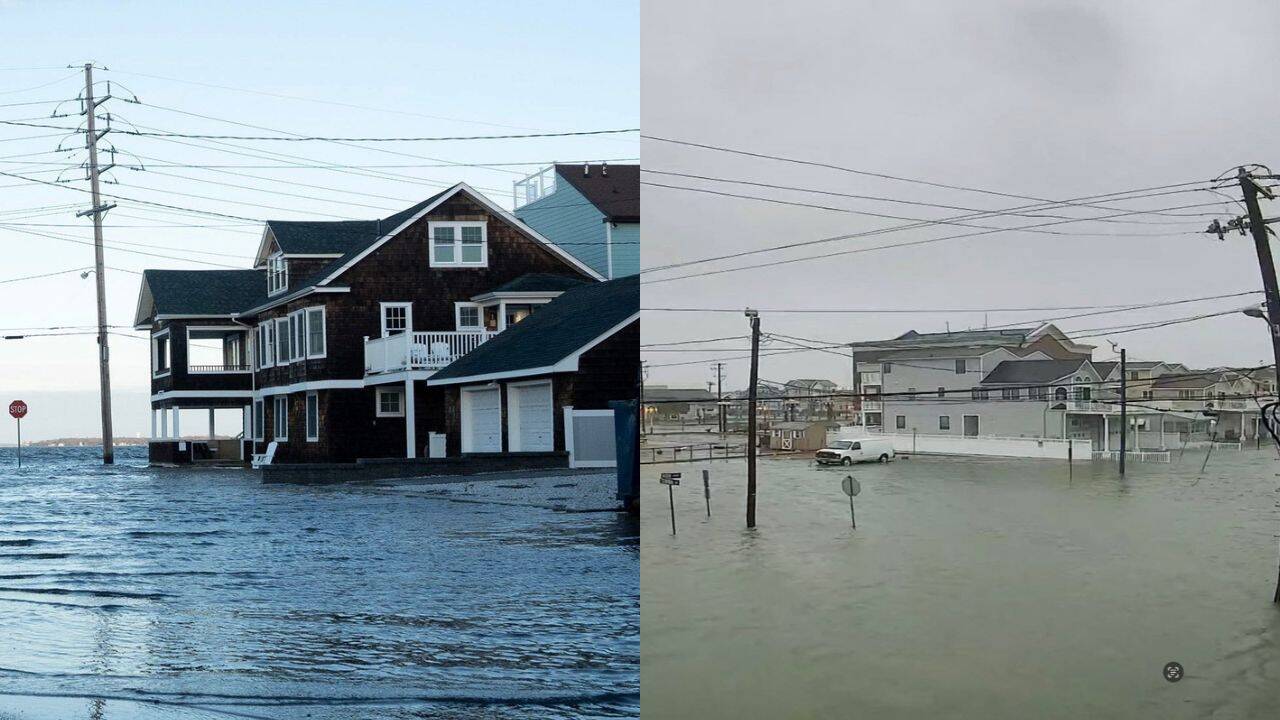
Looking closely at the downed lines and neighborhood streets in that photo, you can see why restoration takes so long. Crews can't just flip a switch when heavy limbs take out local distribution lines or block access roads. Even when peak outage numbers drop from over 900,000 down toward half a million, the last pockets of customers often wait longest because repair teams have to clear debris, check transformers, and work safely in lingering gusts.
Why Thanksgiving Storms Knock Out Power and Flood Streets
A single storm rarely breaks things in isolation. Wind does one job, heavy rain does another, and together they strain infrastructure that was already stretched by holiday demand.
On the East Coast, strong winds push water toward shore while heavy rain dumps runoff faster than storm drains can clear it. In places like coastal North Carolina, rain totals topped nine inches in spots like Emerald Isle and Atlantic Beach, while high water forced rescues and road closures in states from Virginia north to New York. Meanwhile, parts of the Midwest saw heavy snow that weighed down branches and made roads slick.
Here is what actually trips people up when the lights go out and streets flood:
- Water and grid fragility connect fast. A power flicker isn't just an annoyance in the dark. Around Washington, D.C., the Washington Suburban Sanitary Commission asked nearly two million customers in Montgomery and Prince George's counties to conserve water because storm-related power disruptions threatened filtration plants, even though both plants kept producing drinking water.
- Floodwater hides real hazards. Knee-deep water in places like Old Town Alexandria and flooded streets elsewhere hide open manholes, downed wires, and washed-out pavement. Driving through it stalls engines fast and puts emergency crews at risk when they have to pull people out.
- Holiday timing magnifies every delay. Thanksgiving isn't a normal Tuesday. Millions of people are on the road or flying at the exact same time, so a storm that might be a local nuisance in April turns into thousands of flight delays and cancellations.
Honestly, the biggest misconception people have during a big storm is thinking "the rain stopped, so we're in the clear." Not even close. Soil stays soaked, rivers and bays keep pushing water into low spots, and blustery gusts of 25 to 35 mph or higher can still bring down weakened trees after the heaviest bands pass.
What Most People Get Wrong About Storm Recovery
When the National Weather Service warns that a huge system will take time to weaken, people tend to hear "almost over" instead of "still hazardous." That gap between perception and reality causes plenty of avoidable headaches.
Take portable generators, for example. Sounds great in theory until someone runs one inside a garage, basement, or enclosed porch and creates a carbon monoxide trap. Or consider sump pumps: if your basement relies on an electric pump and the grid drops, water can rise right while you're waiting on a utility truck.
There is also a lot of confusion about how outage trackers work. Sites like PowerOutage.us pull utility reports and show real-time shifts, which is super helpful, yet raw counts don't tell you whether a neighborhood is waiting on a single neighborhood tap or a major substation repair. Furthermore, restoration estimates can shift if lingering wind gusts force crews to pause bucket-truck work for safety.
I've seen plenty of homeowners focus on stocking snacks—which is fine, sorta—while ignoring basic water, phone charging, and flood drainage around their foundation. You don't need to live like a survivalist to handle a November storm. You just need to plan around how water, wind, and local utilities actually behave.
How to Handle This Weekend and Future Storms Safely
If you're in an area still dealing with cleanup, lingering gusts, or high-tide advisories, treat the next day or two carefully. Conditions get better gradually, not all at once.
- Stay off flooded roads and respect closures. If water covers a road or bridge, turn around. Officials from New York City to Virginia have stressed that no trip is worth getting trapped in rising water.
- Treat every downed line as live. Keep well back from sagging or fallen wires, and report outages straight to your utility rather than assuming neighbors already did.
- Watch local water and utility advisories. If your water authority asks for conservation during storm power issues, cut non-essential indoor and outdoor water use until pressure and power stabilize.
- Keep generators strictly outdoors and far from windows. Never run gas-powered equipment indoors, and keep fresh batteries in carbon monoxide alarms.
- Check on vulnerable neighbors. Older adults, people with disabilities, and folks in basement or ground-floor units often feel power loss and flooding first.
Before the next winter system rolls in, test your flashlights and power banks, clear leaves from nearby storm drains or gutters if safe to do so, and save your local utility and emergency numbers offline. A little prep now saves a lot of stress when the sky opens up.