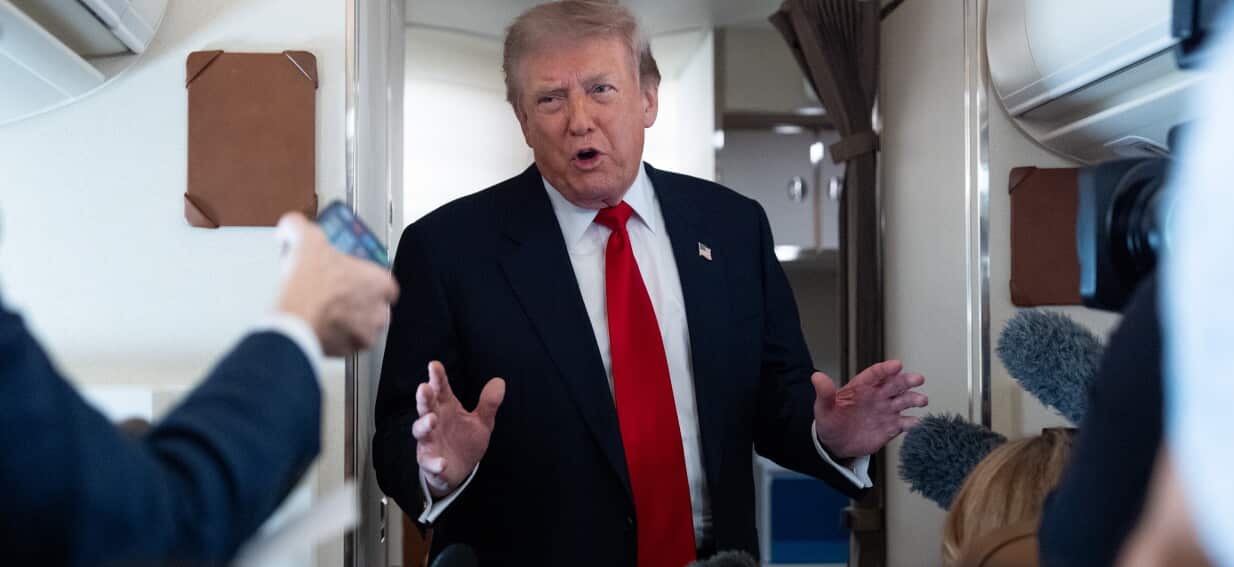
President Donald Trump just admitted what financial analysts and investigative reports spent months trying to prove. The United States has pulled in more than thirteen billion dollars from Venezuelan oil sales since the military operation that ousted Nicolás Maduro from power. Aboard Air Force One, Trump brushed off persistent questioning about the destination of these massive funds, claiming instead that the revenue paid for past military costs.
If you've been following the shifting narrative on post-Maduro Venezuela, the White House story keeps changing. At first, administration officials insisted that proceeds from state-controlled shipments managed under U.S. supervision would go straight toward rebuilding the broken local economy and aiding the Venezuelan population. Now, the stance is entirely different. Trump openly states that the billions go toward running the federal government and funding the military.
How the Thirteen Billion Figure Was Calculated
The administration didn't volunteer this number out of nowhere. Independent analyses, spearheaded by tracking data from platforms like Kpler combined with price benchmarks from Argus Media, revealed that maritime shipments leaving Venezuelan ports accumulated a staggering valuation. Confirmed crude and product shipments cleared roughly eleven and a half billion dollars, while specialized grades missing public pricing benchmarks push total incoming revenue past thirteen billion dollars.
Congressional lawmakers from both political parties want transparency, but they are hitting a brick wall. While the State Department claims that financial monitoring is in place and that funds are trickling into local recovery projects—such as earthquake relief—independent transparency portals set up under U.S. supervision show minimal actual transfer activity. Out of billions collected, tracking sites have only recorded isolated transactions, leaving oversight committees demanding immediate accountability.
The Real Motive Behind the Energy Takeover
Let's be honest about what's happening here. The intervention in Caracas was never just a routine diplomatic shift. It was a calculated economic realignment. Major U.S. oil companies like Chevron and independent operators saw their stock prices spike immediately following the January raids. The administration established direct guardianship over export revenue, effectively turning state-owned PDVSA into a managed asset under Washington's thumb.
Trump's recent comments onboard Air Force One made the transactional nature of foreign policy crystal clear. When reporters pressed him on the missing funds, he pivoted directly to defense spending, remarking that the country paid for the operation many times over and hinting that a similar playbook awaits Iran.
What Happens Next to Venezuela's Budget
Venezuela entered this new era carrying a crushing debt-to-GDP ratio exceeding two hundred percent, inherited from the Maduro regime. Restructuring that mountain of international debt requires predictable cash flow and open markets. Instead, foreign revenue is being funneled into U.S.-controlled accounts, with portions reportedly held offshore while domestic infrastructure rots.
If you are tracking energy markets or geopolitical risk, don't expect the White House to change course. The administration views seized energy assets as legitimate compensation for geopolitical friction. Oversight will remain weak, congressional inquiries will stall, and the thirteen billion dollars is already locked into the federal ledger.