Imagine cruising at 37,000 feet over France, thinking about your upcoming Italian getaway, when fighter jets suddenly pull up alongside your commercial airliner. That is the exact nightmare scenario 151 passengers on Aer Lingus flight EI402 lived through.
What started as a routine morning departure from Dublin to Rome turned into a high-stakes security crisis because of a cryptic threat relayed by air traffic controllers. The emergency response exposed how vulnerable European airspace remains to a coordinated wave of malicious digital hoaxes.
The Anatomy of an In-Flight Alert
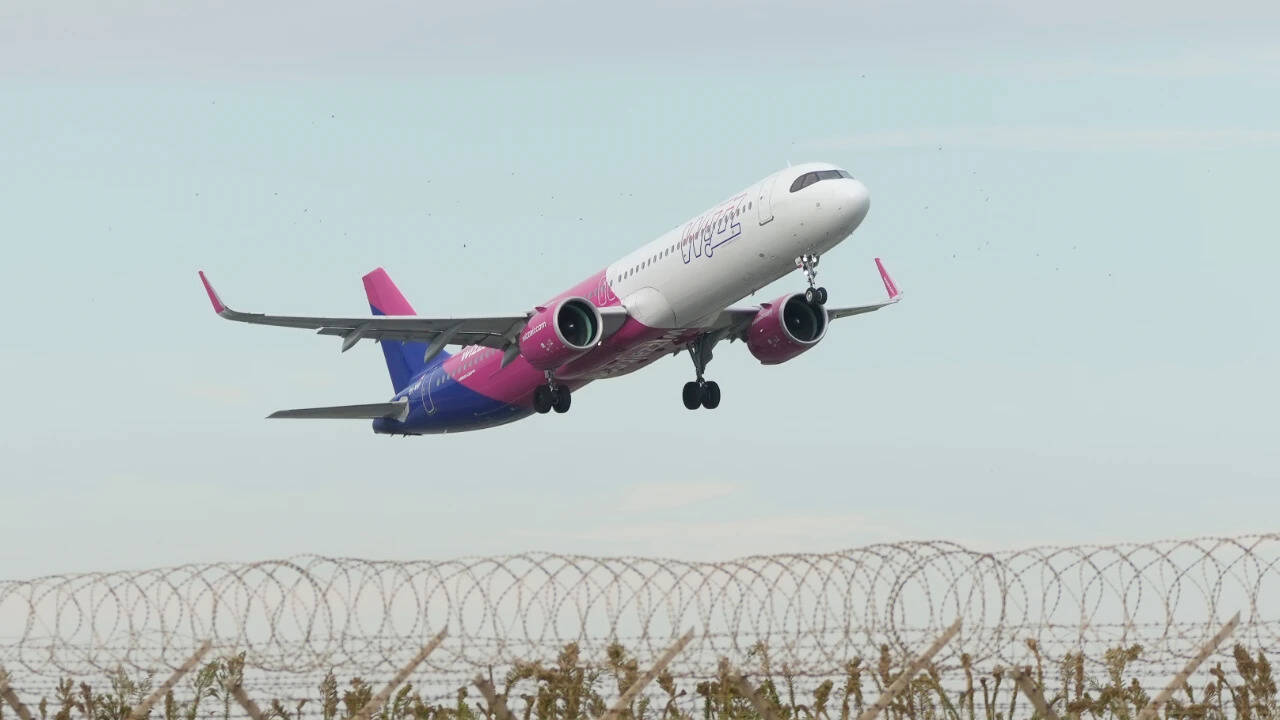
Flight EI402 left Dublin smoothly at around 6:40 AM, tracking toward Rome Fiumicino Airport. Everything went according to plan until the Airbus A320 crossed into French airspace near Paris just before 9:00 AM local time.
Air traffic control contacted the cockpit with startling news: a bomb threat targeted the aircraft. The crew immediately initiated a descent and turned westward toward Charles de Gaulle Airport, signaling their intent to land.
Then came the critical window. Just three minutes after their initial communication with ground authorities, the pilots updated their transmission. They explicitly stated the plane was diverting due to an explosive threat onboard. Flight data showed the aircraft squawking 7700—the universal code for a general emergency.
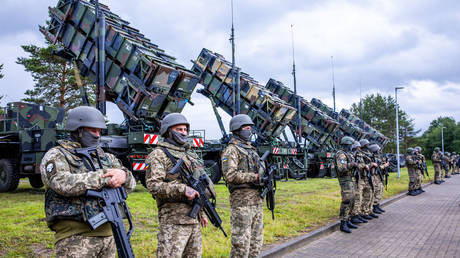
Instead of touching down at a major commercial hub, government orders intervened. French authorities directed the aircraft away from dense population centers, steering it toward Évreux-Fauville military airbase (Base Aérienne 105) in Normandy. French Rafale fighter jets escorted the commercial plane down to the tarmac, ensuring it remained completely isolated.
What Happens When a Jet Lands Under Armed Guard
The moment the wheels touched the military runway shortly after 10:00 AM, a massive security protocol kicked into high gear. Passengers didn't even know the true nature of the diversion until they had safely deplaned, shielded from immediate panic while the aircraft was surrounded.
Verification operations involved military personnel, local police, and specialized bomb-disposal squads with sniffer dogs sweeping the fuselage. Passengers were moved to a secure holding area while authorities meticulously inspected every piece of luggage.
For over two hours, the military base turned into an operational lockdown. Yet, just like dozens of similar incidents plaguing European transport lines that week, the exhaustive search yielded zero suspicious items. The threat was entirely empty.
A Wider Continental Disruption
This Aer Lingus incident didn't happen in a vacuum. It formed part of a massive, coordinated wave of malicious digital hoaxes targeting commercial aviation across Europe.
During the exact same morning, multiple other flights—including several Ryanair services originating from Dublin and elsewhere—faced identical bomb threats. Carriers like LOT Polish Airlines and various flights heading toward destinations in Bulgaria and Spain experienced sudden route changes, emergency ground stops, and mandatory pyrotechnic inspections.
Investigations pointed toward threatening emails sent to multiple aviation authorities, often featuring erratic ideological demands and signed under bizarre monikers like the "Fighters of the Male State". Intelligence agencies across the continent treated the digital threats as hybrid disruption tactics aimed at draining security resources and sowing public panic.
The Protocol Remains Absolute
Airlines and European defense ministries face a tough balancing act. Statistically, the vast majority of these modern threats turn out to be malicious hoaxes designed to disrupt daily logistics. Aviation security frameworks don't have the luxury of playing percentages.
When a three-minute warning hits a cockpit, protocols dictate immediate action. Planes divert, military escorts launch, and airbases lock down. Passengers lose hours of their travel schedules, and airlines absorb heavy logistical costs to reposition aircraft and crews.
If you're flying through Europe, expect security measures to remain hyper-vigilant. Authorities will continue treating every anonymous threat as a live hazard until proven otherwise, because the alternative is a risk no pilot or air traffic controller is willing to take.