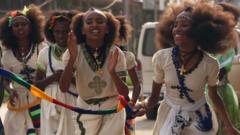
The joy of Ashenda is usually felt in the streets of Mekelle. Young women dance in traditional dresses, their hair intricately braided. They celebrate the Virgin Mary and the spirit of womanhood. But this year, the stadiums will sit empty. The celebration is off.
Tigray’s culture and tourism bureau, led by Dori Asgedom, made the call to cancel the Saturday stadium gathering. It wasn't a choice made lightly. It was a matter of survival. The reason is simple and terrifying: drone strike fears.
The shadow of war returns
You might think the peace deal of 2022 ended the story in Ethiopia’s northern region. It didn't. The conflict that left hundreds of thousands dead is casting a long, dark shadow over 2026.
The cancellation isn't just about missing a party. It’s a symptom of a breaking dam. Tensions between the federal government and the Tigray People's Liberation Front (TPLF) have reached a boiling point. The TPLF recently removed the interim administration and reinstated its pre-war council. That move sent a clear signal to Addis Ababa.
Recent history is littered with broken agreements. Both sides are currently blaming each other for failing to uphold the Pretoria peace deal. Now, the skies above Tigray feel like a target.
Counting the cost of drone strikes
The fears aren't imaginary. They are based on blood and concrete.
Just this past Thursday, a drone strike in Mekelle reportedly injured 13 civilians and damaged residential property. Before that, on August 18, two strikes near Dandera—only 15 kilometers from the regional capital—killed one person and left another wounded. Digging deeper into the calendar of violence, a strike on August 10 in the Raya-Alamata district claimed three lives.
These aren't abstract reports. They are attacks on the physical safety of people who are already traumatized by years of war. When officials say the festival is cancelled due to the "threat of war," they aren't being overly cautious. They are looking at the math of these recent strikes and realizing a stadium filled with thousands of people is a catastrophe waiting to happen.
Why Ashenda matters
Ashenda is more than just a religious event. In the Tigrinya language, the name signifies "the tall green grass" worn by girls during the celebration. It’s one of the few times of the year where women and girls in Tigray have the societal space to step outside, play, and exist publicly without the usual cultural constraints.
By cancelling the event, the authorities are effectively shuttering a vital outlet for social healing. When you deny a population their right to gather, you deepen the collective grief. It’s a tragedy that goes beyond politics. It hits at the identity of the region.
The reality of the current stalemate
You’re probably wondering if this is the start of a full-scale return to the 2020-2022 conflict. The signs are ugly.
- Military mobilization: Reports indicate that both federal and regional forces have been repositioning troops near the borders for months.
- Failed diplomacy: The international community has been largely silent or ineffective in forcing a cooling-off period.
- Retaliation cycles: Every drone strike reported by Tigrayan officials is met with silence or denial from the federal government, fueling further anger and distrust on the ground.
If you’re looking for a silver lining, you won't find one here. The cancellation is a stark reminder that peace is not just the absence of active combat. True peace requires a functioning political process. Right now, that process has collapsed.
What comes next
The cancellation of the Ashenda festival is a warning shot. When a society begins to prioritize basic physical security over its most cherished cultural traditions, the state is failing its people.
If the drone strikes continue, the barrier between "tensions" and "all-out war" will vanish completely. The regional administration has called for urgent diplomatic intervention. Whether anyone listens is another matter entirely.
Don't expect a quick fix. As it stands, the people of Tigray are preparing for an uncertain future, while their celebrations are put on hold indefinitely. Keep your eyes on the ground, not just the headlines. The reality of the situation is written in the silence of the empty stadiums.