You can't drink oil, and as history proves, you can't easily drink seawater without burning through mountains of cash and energy. Back in 1977, a Saudi royal decided to prove a wild point about global water supplies. Prince Mohammed bin Faisal—head of the country's desalination efforts at the time—flew a two-ton chunk of an Alaskan glacier straight into landlocked Iowa. He served 4,000-year-old ice in drinks to a room full of scientists to pitch a massive engineering project: hauling Antarctic icebergs across oceans to quench the thirst of the Arabian Peninsula.
People laughed. It sounded like pure sci-fi. Desalination plants eventually won the day, and the icebergs stayed put. But fast-forward to today, and water scarcity has hit a breaking point. Engineers are dusting off those old blueprints, wondering if hauling floating freshwater mountains across the globe is worth a second look.
The Brutal Math Behind Desalination
Why would anyone look at a floating block of ice instead of building another coastal plant? Desalination is a heavy burden. Turning salty ocean water into safe drinking water requires immense amounts of energy.
In places like the Middle East, that energy usually comes straight from burning crude oil. You burn valuable resources just to get a drink. It creates an expensive feedback loop. Populations grow, water demand spikes, and energy costs scale right along with it.
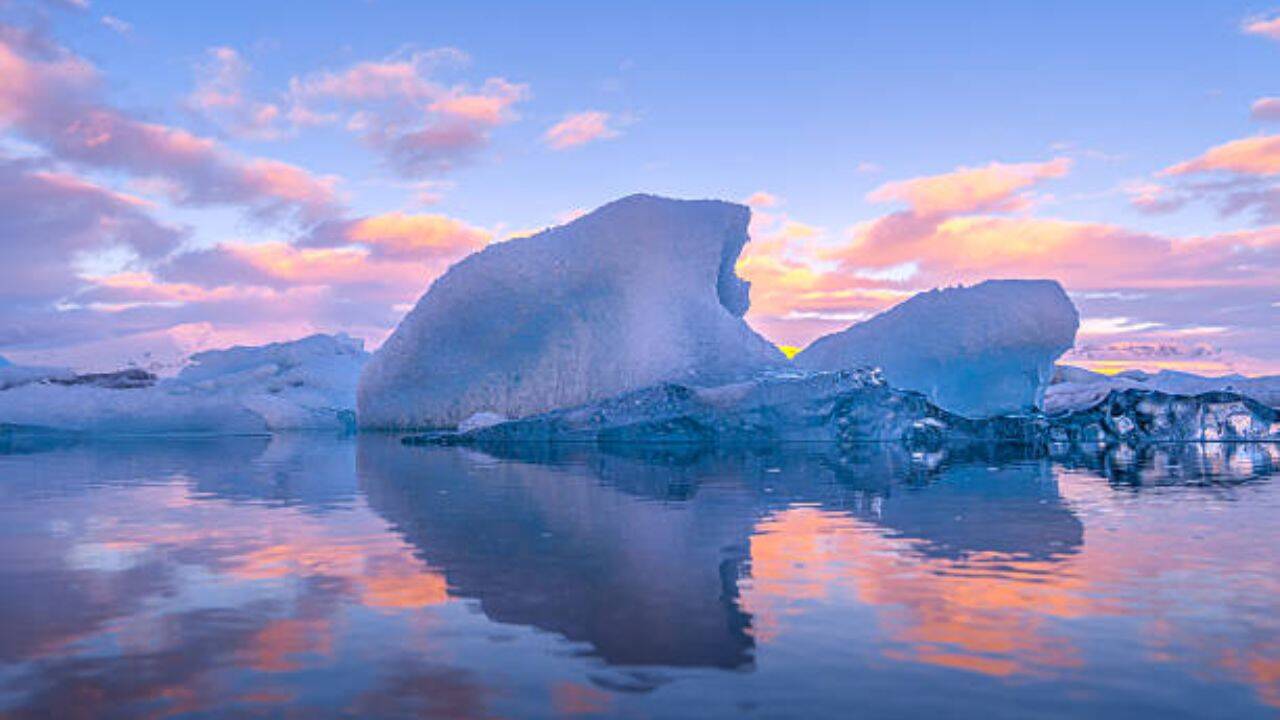
Enter the polar ice sheet. Antarctica holds roughly 70 percent of the earth's fresh water. Every year, massive tabular icebergs break off and melt uselessly into salt water. The logic driving past proposals was simple: intercept that water before it vanishes. Catch a massive block, wrap it in specialized insulation, and let ocean currents and heavy tugs do the heavy lifting.
Why the 1977 Plan Melted Away
The Prince's First International Conference on Iceberg Utilisation brought hundreds of experts to Iowa State University for good reason. The physics actually checked out. A single large iceberg carries enough fresh water to supply a major city for years.
Execution was an entirely different nightmare.
- The Melt Rate: Keeping a multi-million-ton block of ice from dissolving completely while passing through equatorial waters proved chemically and structurally daunting.
- The Insulation Gap: Materials durable enough to withstand weeks of warm wave action without tearing or costing a fortune simply didn't exist in the 1970s.
- Political Will: Governments weren't ready to drop hundreds of millions on a logistical gamble when traditional infrastructure felt safer.
The project stalled out. Prince Mohammed kept running digital models decades later using satellite data and advanced 3D software, but the heavy financial hurdles remained firmly in place.
Modern Engineering Changes the Game
Today, the conversation looks different because the climate emergency leaves fewer cheap options on the table. Water tables are dropping globally, and traditional aquifers are drying up under intense agricultural pressure.
Modern marine engineers now have tools the 1970s pioneers could only dream of. High-resolution satellite tracking lets teams monitor ocean eddies and current lanes in real time, drastically reducing transit risks. Synthetic polymer textiles and advanced geo-textile skirts can wrap around ice masses much more effectively to shield them from warm thermal currents.
Compute power allows teams to simulate thousands of miles of ocean towing before a single tugboat leaves the harbor. They can predict structural fractures and calvings long before they happen on the open sea.
The Hurdles That Remain
Don't expect massive chunks of Antarctica to drift into local ports next week. Major legal and environmental obstacles still stand squarely in the way. Towing an iceberg through international waters triggers a maze of maritime law, liability questions, and ecological concerns over altering local marine ecosystems near the delivery drop-off.
Yet, as freshwater stress intensifies from California to the Middle East, once-ridiculous ideas are getting a serious second glance. What looked like an eccentric billionaire's vanity project in Iowa decades ago might end up as a blueprint for survival.