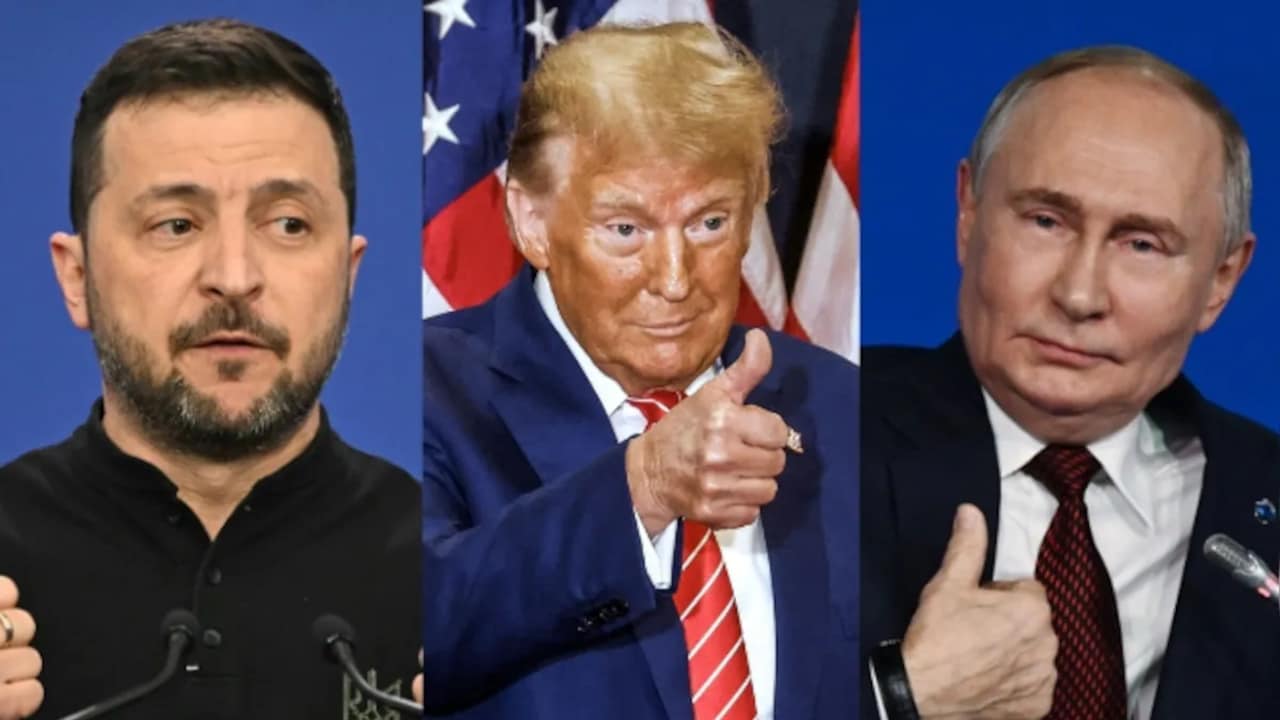
Peace talks rarely arrive cleanly. They land with heavy compromises, bitter pills, and impossible choices that no leader wants to make. When reports broke about an American-floated diplomatic framework offering Ukraine a fast track to NATO in exchange for ceding control of the Donbas region, it forced a brutal reality check across European capitals.
For years, the official line from Kyiv was non-negotiable. Not a single inch of internationally recognized territory would be bartered away for diplomatic convenience. Yet, diplomacy under pressure rarely respects absolute lines. When US intermediaries—including special envoys engaging directly with Moscow and European partners—put forward a trade-off linking security architecture to territorial loss, the calculus shifted overnight.
The Core Dilemma Facing Kyiv
Let’s be honest about what's actually on the table. Trading physical land for an institutional umbrella like NATO sounds like a clean swap on paper, but it is deeply painful on the ground. The Donbas isn't just a collection of contested towns; it's a heavily industrialized region that has borne the brunt of years of conflict.
President Volodymyr Zelenskyy made it clear that while American interlocutors brought the proposal forward, any final decision rests entirely with the Ukrainian public, likely requiring a referendum or broad democratic consensus. You cannot simply sign away sovereign regions without facing intense domestic backlash. At the same time, the allure of Article 5 protection is massive. If you secure a binding, ironclad guarantee that prevents future invasions, the strategic map of Eastern Europe changes forever.
Why NATO Suddenly Re-entered the Conversation
For a long time, Western reluctance to grant immediate NATO membership was the primary bottleneck in peace discussions. Allies worried about triggering a direct military confrontation with Moscow. So why change course now?
The driving force is exhaustion and the sheer unsustainability of a perpetual war of attrition. Washington and its European allies are looking for an off-ramp that stops the bleeding while preserving a democratic, viable Ukrainian state. Bringing NATO back into the picture acts as the ultimate sweetener. Without it, any territorial concession to Russia would look like a pure defeat with zero strategic compensation. With it, Ukraine anchors itself permanently to the West, securing its economic and military future even if its eastern borders are temporarily or permanently altered.
The Catch with Security Guarantees
Of course, a piece of paper or a NATO invitation isn't worth much if it isn't backed by muscle. Zelenskyy has repeatedly pointed out the obvious flaw: what happens if the agreement fails and aggression resumes?
A credible package requires much more than a political handshake. Ukraine needs:
- Concrete, binding security guarantees from major Western powers.
- The legal and logistical right to maintain a heavily funded, modern military.
- Sustained, long-term financial backing and a fully funded reconstruction blueprint.
Without these elements, any Donbas-for-NATO deal is just a pause before the next round of fighting. Moscow has its own demands, including reshaping European security architectures in ways that make neighboring states deeply nervous.
Where Things Stand Now
The debate isn't just about borders anymore; it's about the architecture of global security. Russia wants legal sovereignty over the territories it occupies. Ukraine refuses formal recognition of those annexations, pointing instead toward a frozen dispute model or a military withdrawal framework that avoids surrender.
If you're watching this unfold, stop looking for a Hollywood ending. This is a messy, high-stakes poker game where every player holds bad cards. The real test will be whether Washington, European capitals, and Kyiv can bridge the gap between territorial integrity and survival before the diplomatic momentum stalls out completely.
Peace plan "90% agreed" after U.S.–Ukraine talks
This video provides an up-close look at the high-level diplomatic talks between U.S. and Ukrainian leadership regarding ongoing peace proposals.