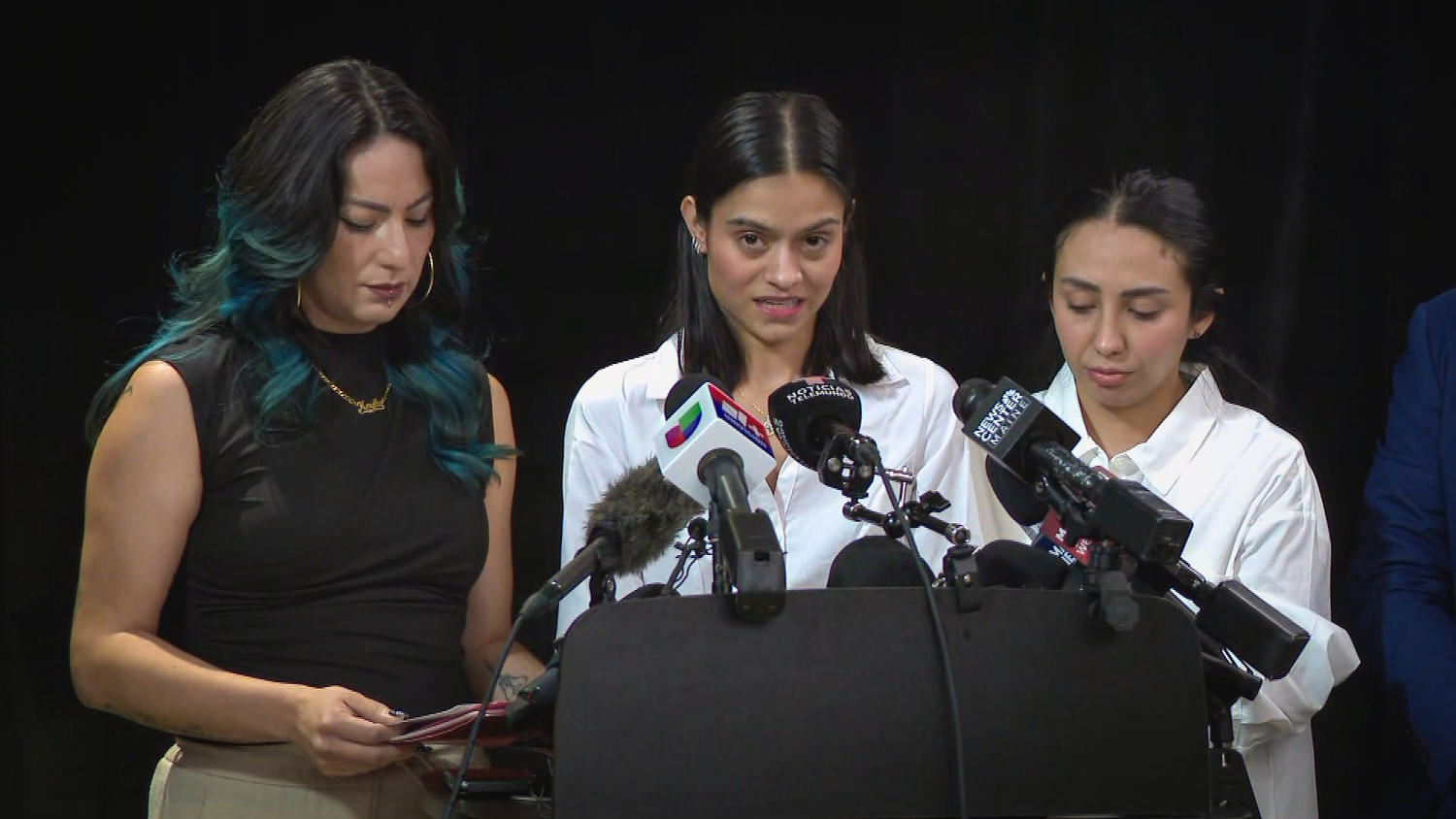
On a quiet September morning in Biddeford, Maine, the fragile promise of safety evaporated for a young Colombian family. Jhan Carlos Estupiñan Estupiñan, a 36-year-old father who had fled horrific violence in his homeland, was shot and killed by an Immigration and Customs Enforcement (ICE) officer. His wife, Brigitte Pino, was left to piece together a life that was supposed to stretch into their old age.
When federal immigration agents show up in a small New England town, the public expects a highly trained, disciplined response. Instead, this encounter ended in blood on Taylor Street. The official narrative from authorities quickly fell back on standard talking points. But behind the bureaucratic statements lies a deeply troubling story of escalation, a lack of transparency, and the human cost of a deeply flawed immigration system.
This case is not just an isolated tragedy. It is a stark look at how civil immigration enforcement can turn fatal, and why the current system shield federal officers from the accountability we demand of local police.
Fleeing Buenaventura to Die in Maine
To understand why Jhan Carlos Estupiñan was in Maine, you have to understand where he came from. He and Brigitte fled Buenaventura, a port city on Colombia's Pacific coast. Buenaventura is notorious. It is a city plagued by violent turf wars between powerful gangs and cartels. Extortion, forced recruitment, and brutal violence are daily realities.
For Jhan Carlos and Brigitte, staying meant risking their lives and the safety of their daughter. They chose the grueling journey to the United States because they believed in the promise of American refuge. They wanted a quiet place to work, raise their child, and simply live.
They ended up in Biddeford, Maine. It is a historic mill town undergoing revitalization, known for its red brick buildings and close-knit community. It is a world away from the violent streets of Buenaventura. Jhan Carlos found work. He did what millions of immigrants do every single day—he kept his head down, worked long hours, and built a modest life.
Brigitte often spoke of their simple dreams. They wanted to buy a home. They wanted to watch their daughter grow up. They planned to grow old together in the quiet safety of Maine. That dream ended on September 27, 2022.
What Happened on Taylor Street
The details of what happened that morning remain highly contested, which is exactly why this case continues to provoke anger.
ICE Deportation Officers arrived at the Biddeford apartment building to execute an administrative arrest warrant. It is vital to understand what an administrative warrant is. It is not a criminal warrant. It is not signed by an independent judge. It is a document signed by an ICE officer asserting that they have reason to believe an individual is deportable.
According to ICE, officers confronted Estupiñan outside the apartment. The agency claimed he was armed with a machete and threatened the officers. An officer fired his weapon, striking and killing Estupiñan.
But the family and their legal representatives have raised serious questions about the official version of events. Brigitte was nearby. She heard the confrontation. The family maintains that Jhan Carlos was not a violent man and that the situation did not need to end in lethal force.
Even if we accept the premise that Estupiñan had a tool like a machete—common for working-class laborers—the immediate resort to lethal gunfire raises immense red flags. Did the officers try to de-escalate? Did they use non-lethal weapons? Why was a civil immigration arrest treated like an active tactical raid?
The local police in Biddeford were not involved in the shooting, though they responded to the scene afterward. The investigation was handed over to the Maine Attorney General’s Office, which is standard procedure for any officer-involved shooting in the state. Yet, when federal agencies are involved, the path to finding the truth becomes incredibly steep.
Why Administrative Warrants Should Not End in Bloodshed
There is a fundamental difference between how we police citizens and how federal agencies handle civil immigration violations. This distinction is where things frequently go wrong.
Most people assume that if law enforcement comes to arrest you, they have a warrant signed by a judge who has reviewed the evidence. For ICE administrative warrants, that is simply not true. These are civil documents used to detain people for administrative immigration proceedings.
Because these are civil matters, the individuals being targeted are not accused of violent crimes. They are not fleeing prosecution for murder or robbery. They are people who have overstayed visas or entered the country without authorization—both of which are civil infractions, not criminal offenses.
Using armed, tactical officers to enforce civil warrants in residential neighborhoods is a recipe for disaster. It turns routine administrative procedures into highly volatile confrontations. When officers approach a home with guns drawn, shouting orders, panic is almost guaranteed. For someone who fled state and gang violence in Colombia, a sudden confrontation with armed men in plainclothes or tactical gear can trigger a fight-or-flight response.
De-escalation should be the absolute priority. In the case of Jhan Carlos, we are left wondering why a man’s life was worth less than the immediate execution of a civil deportation order. There was no public safety threat that required an immediate, armed takedown on a Tuesday morning in Biddeford.
The Shield of Federal Immunity and the Struggle for Answers
If a local police officer shoots someone, there is usually body camera footage, immediate public pressure on the local city council, and a clear chain of accountability. When a federal officer does it, the entire process goes dark.
Historically, federal immigration agencies have been notoriously slow to adopt body-worn cameras. At the time of Estupiñan's death, ICE was only in the early, lagging stages of deploying body cameras to its officers. This lack of visual evidence leaves families entirely at the mercy of the agency's own written statements.
Getting answers from a federal agency is a bureaucratic nightmare. The Maine Attorney General’s Office compiles its report, but federal supremacy laws often shield federal agents from state-level prosecution. Historically, the Maine AG has almost never found an officer-involved shooting to be unjustified. When federal agents are involved, the legal hurdles are even higher.
This leaves families like Brigitte and her daughter in a state of perpetual limbo. They are grieving a husband and father while fighting an uphill battle against a massive federal apparatus that has every incentive to protect its own.
The community of Biddeford, along with local immigrant advocacy groups like Presente Maine, stood up to demand answers. They held vigils. They pointed out the hypocrisy of a system that claims to value human rights while treating immigrant lives as expendable. But public outcry only goes so far when faced with federal immunity.
The Human Reality Behind the Immigration Debate
We often talk about immigration in terms of statistics, borders, and policy debates on cable news. We lose sight of the actual human beings caught in the middle.
Jhan Carlos Estupiñan was a real person. He had a laugh, he had fears, and he had a family that adored him. Brigitte is left with the agonizing task of explaining to their young daughter why her father went to work one day and never came home.
The trauma of fleeing violence in Colombia was supposed to end when they reached Maine. Instead, that trauma was compounded and finalized by the very government they thought would protect them.
This tragedy highlights a systemic issue within ICE operations. The agency operates with a level of autonomy that would never be tolerated in local police departments. Their operations are shrouded in secrecy, their officers are heavily armed, and their targets are some of the most vulnerable people in our society—people who are often too afraid to speak out or report abuses.
Concrete Steps to Prevent Future Tragedies
We cannot change what happened to Jhan Carlos on that street in Biddeford, but we can change the policies that allowed it to happen. If we want to prevent another family from being shattered, we need to push for real, systemic changes in how civil immigration enforcement is handled.
- Mandate Body-Worn Cameras: Every single ICE officer operating in the field must be equipped with active body-worn cameras. The footage must be subject to public record laws, ensuring that federal agents cannot hide behind self-written reports.
- Restrict the Use of Force for Civil Warrants: ICE must reform its use-of-force policies to strictly prohibit the escalation of confrontations during the execution of administrative, non-criminal warrants. De-escalation tactics must be mandated and prioritized.
- End the Use of Administrative Warrants for Residential Raids: Armed raids on homes and workplaces for civil infractions should be halted. If an individual poses no threat to public safety, there is no justification for tactical-style arrests in residential neighborhoods.
- Increase Local Oversight: States and municipalities should refuse to cooperate with ICE operations that rely on administrative warrants. Local law enforcement should not assist in civil immigration enforcement that puts community members at risk.
- Hold Federal Agents Personally Liable: We need to reform qualified immunity laws so that federal officers who use excessive force can be held civilly and criminally liable in court, just like any other citizen.
Brigitte Pino and her daughter must now navigate a world without the man they loved. The promise of growing old together was stolen in a matter of seconds. True justice means ensuring that no other family has to stand over a casket because a civil administrative arrest turned into a execution.


