Disasters don't just destroy homes. They erase entire lineages in a single night. When heavy monsoon rains trigger catastrophic floods, the headlines usually focus on property damage and abstract casualty numbers. But behind every data point lies a brutal human reality.
Take Bam Bahadur Ghale. At just 27 years old, he lost his wife, Som Maya, and his two daughters, Binusa and सुनीता, to the raging waters in Nepal. Because he wasn't home when the deluge struck, he survived. His family didn't. To make a horrific situation even worse, their bodies were never recovered. He's left standing in the ruins with a haunting thought: wishing he had been there so he could have shared their fate rather than living through the agonizing void.
The Anatomy of an Avoidable Catastrophe
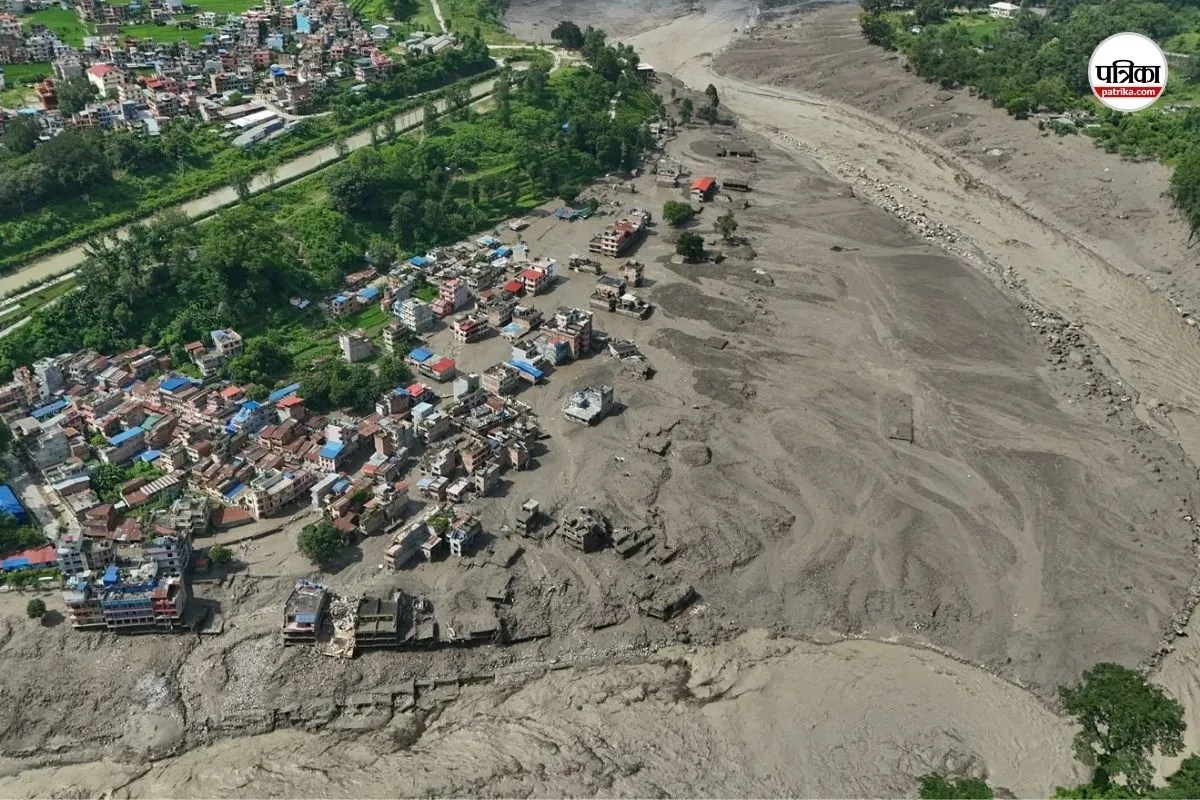
Natural disasters rarely happen in a vacuum. Long before the recent floods tore through Himalayan settlements, structural vulnerabilities were piling up. Consider Chegu Lama. At 42 years old, he had already survived the devastating 2015 Nepal earthquake. Thinking they had found a safer path forward, his family settled near the Khalte River.
Warnings were issued. Government officials noted that the area was unsafe and promised relocation packages. Months turned into years. No infrastructure materialized. When the floods came, Lama lost his father, mother, sister, two brothers-in-law, younger brother, and nephew. They vanished into the mud and swelling rivers. Holding centers in places like Lahrenpauwa are now filled with survivors who survived past traumas only to be blindsided by the next crisis.
What Recovery Actually Looks On The Ground
Statistics fail to capture the immediate aftermath. In regions like Kalika Rural Municipality, roughly a thousand homes have been severely affected across wards like Mailung, Pahirebesi, and Khalte. Local social workers note that survivors fled with literally nothing—no spare clothes, no school books for the kids, and nowhere permanent to sleep.
Local administrations are stretched thin. While temporary shelters and holding centers separate students, the elderly, and families, the risk doesn't end when the rain stops. Without long-term planning, hygiene crises and severe health outbreaks follow fast.
The Systemic Failures We Ignore
We see the same pattern repeat across vulnerable South Asian river valleys. Warnings are given, communities are left in limbo due to bureaucratic delays, and climate-induced weather extremes push fragile terrain past its breaking point. Temporary relief camps are a band-aid on a gushing wound.
If you're tracking climate resilience or disaster preparedness, the lesson is clear. Bureaucratic inaction kills faster than weather. Until local governments invest in proactive relocation rather than reactive rescue missions, stories like Bam Bahadur Ghale's will keep repeating.
Support local humanitarian groups working on the ground in Nepal or pressure local authorities for accountable disaster management before the next monsoon season arrives.