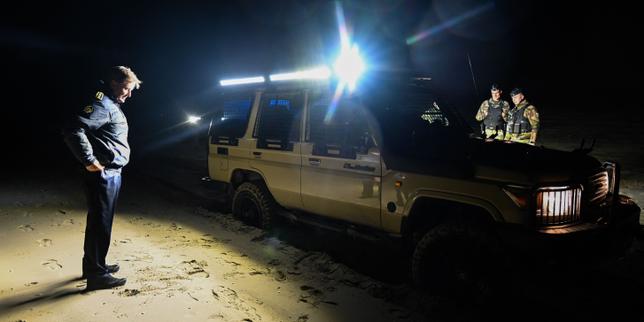
Another body washes ashore on the cold sands of northern France. It is a grim, heartbreaking headline that haunts the Pas-de-Calais region yet again. Another young life cut short in the shadows of clandestine attempts to reach the English coast.
The numbers are staggering. The human cost is immeasurable. Yet the cycle continues largely unchecked, driven by desperation, ruthless smuggling networks, and a geopolitical standoff that shows no signs of easing. When we look past the breaking news alerts, what are we actually seeing? We are witnessing a humanitarian failure played out daily on windswept beaches where prevention measures collide with raw human survival instincts.
The Reality of the Pas-de-Calais Coastline
For anyone who has visited northern France, the coastline between Calais and Boulogne-sur-Mer is stunning. Towering cliffs, wide sandy expanses, and the distant hum of maritime traffic. But step onto those beaches at dawn, and the atmosphere changes entirely. Abandoned life jackets, punctured dinghies, and discarded clothing litter the dunes.
It is a frontline. Local residents wake up to sirens. Fishermen spot overloaded rafts in the dark hours before sunrise. Beachgoers stumble upon tragedy where family vacations used to unfold. The constant tension weighs heavily on coastal towns that feel completely abandoned to manage a crisis far beyond their municipal scale.
The geography itself acts as a funnel. The Strait of Dover is one of the busiest shipping lanes in the world. Over five hundred ships cross these waters every single day. Cramming dozens of desperate people into flimsy, unseaworthy plastic boats meant for recreational ponds is not a voyage. It is a gamble with near-certain odds of disaster.
Understanding the Danger of Channel Crossings
Why do people still board these boats? The answer is simple. Desperation beats fear. When individuals flee war, persecution, or extreme poverty, the risk of drowning in the English Channel feels like a secondary concern compared to the walls they face on land.
Smuggling networks exploit this exact psychological breaking point. They operate with ruthless efficiency. They collect thousands of euros per person for passage, pack inflatable boats far beyond safe capacity, and force passengers into the icy water to push the craft offshore before vanishing into the night.
The weather adds another layer of cruelty. Freezing water temperatures, unpredictable winds, and dense fog turn a short stretch of water into a graveyard. Even on calm days, the wake from massive cargo vessels can easily swamp a fragile inflatable boat. Life jackets sold by traffickers are frequently cheap counterfeits that absorb water rather than keeping people afloat.
The Toll on Local Responders and Communities
Emergency services in the Pas-de-Calais operate under unbearable pressure. Firefighters, police officers, and volunteer rescue workers face psychological exhaustion. Pulling lifeless bodies from the surf or plundering freezing survivors from capsized dinghies changes a person.
Local mayors have repeatedly sounded the alarm. They point out that security crackdowns on beaches merely push departure points further down the coast or into the marshes. Tighter police patrols force smugglers to take even greater risks, launching boats from more dangerous spots under pitch-black conditions.
The debate in Paris and London often focuses on border control budgets, surveillance technology, and diplomatic treaties. Meanwhile, local communities bear the physical and emotional brunt of the tragedy. Schools, hospitals, and local charities pick up the pieces, stretching resources to breaking point.
Facing the Hard Truths of Migration Policy
Punitive measures alone have never stopped human movement. History proves this repeatedly. When land routes close, maritime routes open. When beaches are heavily guarded, departures shift to isolated coves.
Fixing this situation requires acknowledging uncomfortable truths. Stopping the crossings demands dismantling the financial models of criminal gangs while simultaneously creating safe, legal pathways for asylum seekers. Ignoring the root causes guarantees that the beaches of northern France will continue to witness preventable deaths.
The sea doesn't care about politics. It only demands respect that these desperate journeys refuse to give. Until policy catches up with reality, the sand will keep washing up reminders of a broken system.