The timing couldn't be worse. This Thursday, millions of soccer fans are gearing up for the opening games of the World Cup in Mexico, with the vast majority of the tournament's matches set to play out across the United States over the next six weeks. But behind the scenes, a fierce public health standoff between Washington and Brussels threatens to throw a massive wrench into international travel.
The US government is heavily pressuring European nations to lock down their travel borders against a fast-growing Ebola outbreak in Central Africa. If Europe doesn't comply, Washington is openly hinting at slapping tough health regulations on flights arriving from Europe.
Let's look at the numbers. There are only a handful of direct flights connecting the Ebola-affected regions of Africa to the United States each day. Europe, however, is a completely different story. More than 300 direct flights cross the Atlantic from Europe to the US every single day. If Washington feels Europe is a sieve for the virus, your summer transatlantic vacation could face major delays, screenings, or sudden restrictions.
The Secret Phone Call That Raised the Stakes
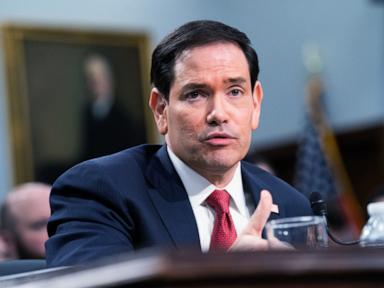
On Tuesday, US Secretary of State Marco Rubio placed a direct call to European Commission President Ursula von der Leyen. The official State Department readout framed the conversation politely, noting they discussed coordination efforts regarding the Ebola outbreak currently ripping through the Democratic Republic of the Congo (DRC) and Uganda.
Behind the scenes, the message was far punchier.
An anonymous State Department official confirmed that Washington is losing patience. The US has already funneled over $200 million into containment efforts in Central Africa since the outbreak flared up last month. It has also barred entry to any non-US citizens who have visited the affected African nations within the past three weeks. Now, the Trump administration expects Europe to mirror these aggressive travel bans.
The European Union did announce an extra 16.5 million euros ($19 million) in Ebola response funding, adding to the 15 million euros they dropped last month. But Washington says cash isn't enough anymore. They want strict travel restrictions, and they want them immediately.
Why the World Cup Changes Everything
Public health officials aren't just worried about routine business travel. The World Cup is a logistical nightmare for infectious disease control. Hundreds of thousands of fans from every corner of the globe are moving through packed stadiums, crowded airports, and dense fan zones.
Canada has already taken extreme measures, slapping a 90-day entry ban on residents coming from the DRC, Uganda, and South Sudan. The US has redirected its own returning citizens through designated screening airports and is setting up a specialized quarantine and treatment facility in Kenya alongside the Department of Defense to manage exposed Americans before they even touch US soil.
Europe remains the missing puzzle piece. Because major European hubs like London Heathrow, Paris Charles de Gaulle, and Frankfurt serve as the primary transit points for travelers leaving Africa bound for North America, a single missed case in Europe could bring the virus straight to the World Cup gates.
The Political Fight Behind the Science
The aggressive stance from the State Department isn't just about global health. It's also a shield against domestic political pressure.
Last week, congressional Democrats grilled Rubio over the administration's recent streamlining and scaling back of certain programs within the U.S. Agency for International Development (USAID). Critics argue these cuts weakened early-detection networks in vulnerable regions. Rubio pushed back hard, claiming that early detection was successfully integrated into existing bilateral health agreements and that the current US response has been incredibly fast.
By demanding Europe match its hardline border stance, the administration is shifting the accountability. If the virus spreads, Washington wants the blame to land squarely on European hesitation, not American policy shifts.
What This Means for Your Next Flight
If you have a flight booked to or from Europe in the coming weeks, you need to watch this space closely. We aren't looking at total groundings yet, but the friction is real. Here is what you should prepare for immediately.
Expect enhanced health screening at major US entry hubs. If the State Department acts on its threats, travelers coming from European transit hubs may face temperature checks, secondary questioning, and longer lines at customs.
Check your travel insurance policies. Most standard trip-interruption policies do not cover border changes or government-imposed quarantine regulations due to infectious diseases unless you bought a specific "Cancel for Any Reason" rider.
Keep an eye on the airline alerts. Carriers are caught in the middle of this diplomatic wrestling match and will modify transit routing the second Washington alters regulations.