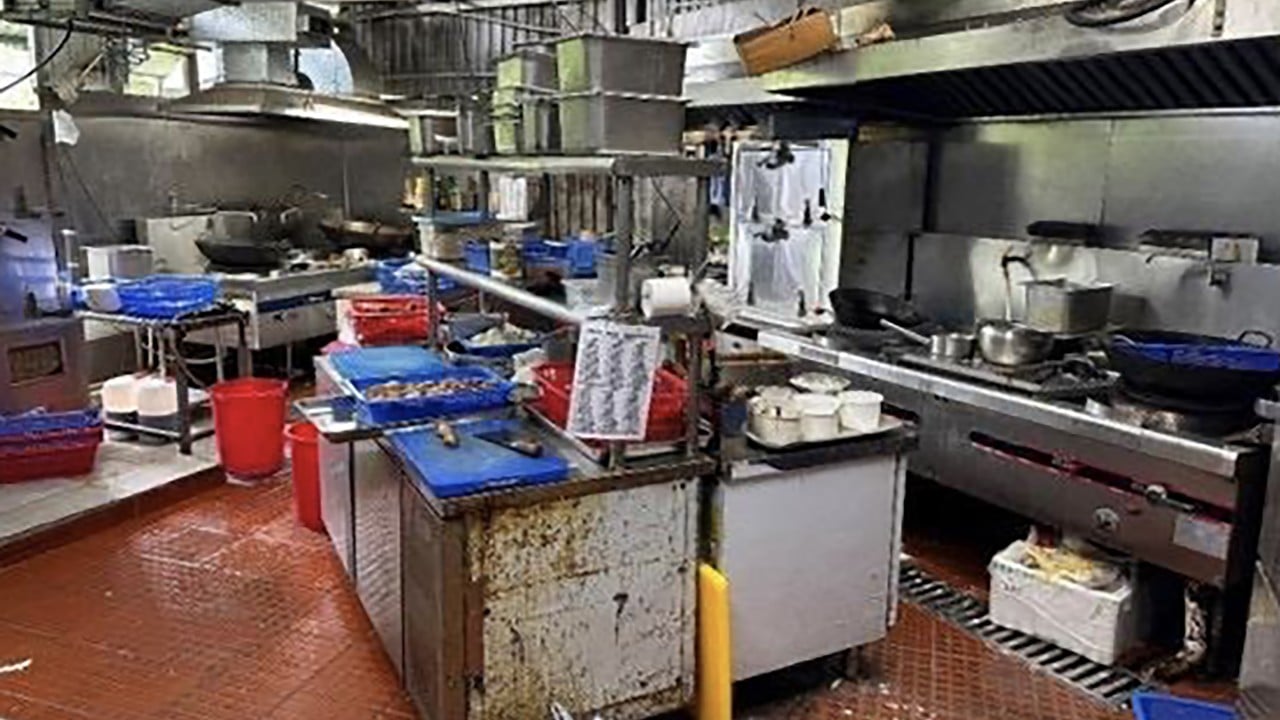
A tin shack hidden deep in Sai Kung. Grease-stained floors, ingredients from completely unknown origins, and a crew churning out 800 meals every single day. It doesn't look like a goldmine. To Hong Kong organized crime syndicates, it's pure profit.
The scale of this underground economy just blew wide open. Hong Kong police recently arrested 125 people connected to a massive triad syndicate. Their crime wasn't trafficking drugs or smuggling luxury cars. They used arson, extortion, and physical violence to lock down a total monopoly on the construction site lunchbox trade across East Kowloon. If you enjoyed this piece, you might want to look at: this related article.
Think about it. Construction workers need to eat. If you control the only food that gets past the gates, you control a money printing machine. This single syndicate brought in nearly HK$1 million a month. That's a staggering HK$12 million annual turnover just from selling HK$50 meal boxes to hungry laborers. The operation was so massive that the Organised Crime and Triad Bureau had to step in to break it apart.
How Triads Monopolized the Construction Site Lunchbox Trade
Organized crime thrives on captive markets. A massive surge in residential development projects across East Kowloon created thousands of hungry workers with limited options. They can't just stroll out of a high-rise building site to grab a casual lunch. They have strict, short breaks. They need hot food delivered right to them. For another perspective on this story, refer to the recent coverage from Wikipedia.
The triad syndicate capitalized on this immediate need with brutal efficiency. They didn't win over clients with great cooking or low prices. They relied on pure terror.
Legitimate food vendors who tried to service these building projects faced a grim choice. Pay up or get out. The gang targeted legitimate meal box suppliers with escalating tactics. They started with threats. If the vendors didn't back down, the gang resorted to criminal damage, slashing delivery truck tires, smashing vending equipment, and even setting delivery vehicles on fire.
If a legitimate vendor wanted to keep operating, they had to pay extortionate site protection fees. These fees ran anywhere from thousands to tens of thousands of Hong Kong dollars every month. The choices were simple. Hand over your profits to the mob, see your business burned to the ground, or buy your supply directly from the triad-run illegal kitchen.
Inside the Undercover Operation that Blew the Racket Wide Open
The scale of the intimidation made it incredibly difficult for regular business owners to come forward. Fear keeps people quiet. Because of this wall of silence, the Organised Crime and Triad Bureau had to get creative. They sent undercover officers deep into the field.
Picture this scene. Undercover cops disguised themselves as independent lunchbox vendors. They pulled up to a massive residential construction site in Sau Mau Ping with a truck full of meals, prepared to test the market. They didn't have to wait long.
A gang aggressively confronted the undercover officers almost immediately. The criminals didn't care about public visibility. They openly threatened the disguised officers, violently kicked and damaged their food vending equipment, and explicitly demanded tens of thousands of dollars in protection money on the spot.
That interaction sealed their fate. The police didn't just arrest the low-level thugs on the street. They used the evidence to track the entire network, leading to a massive synchronized sweep across the city.
The numbers from the bust are staggering. Police arrested 48 men and 77 women. The age range of the suspects defies the typical image of a street gang, spanning from 22 all the way to 81 years old. This wasn't a loose collection of rebellious youths. It was a multi-generational corporate structure dedicated to food extortion.
The Economics of a Tin Shack Food Factory
The mastermind behind this entire operation was a 64-year-old triad figure. He didn't run the day-to-day operations alone. He left the logistics of the food supply to his girlfriend, who managed the illegal food factory out of that Sai Kung tin shack.
Running an illegal kitchen gave the syndicate a massive competitive edge. They completely ignored basic safety rules. They didn't register the business. They didn't pay for proper restaurant licensing. They avoided health inspectors. They bought cheap ingredients from entirely unverified sources.
- Daily output: 800 lunchboxes
- Price per box: HK$50
- Monthly revenue: Close to HK$1 million
- Annual turnover: HK$12 million
By cutting every possible corner, their profit margins were astronomical. The food was cooked in filthy conditions, packed into plastic containers, and loaded into delivery trucks to be distributed across East Kowloon construction zones.
When the police finally raided the syndicate's properties, they didn't just find dirty pots and pans. They seized assets valued at over HK$4 million. The haul included heaps of cold cash, high-end luxury watches, multiple delivery vehicles, and a massive amount of gambling paraphernalia. The syndicate was using the steady, predictable cash flow from the construction site lunchbox trade to fund and operate illegal gambling dens across the territory.
Why Construction Sites are Primed for Mob Extortion
This isn't an isolated incident or a new phenomenon. The relationship between construction projects and organized crime in Hong Kong goes back decades. Large-scale building sites are inherently vulnerable to these rackets for a few specific reasons.
First, the environment is constantly changing. Subcontractors come and go. Workers shift from one site to another every few months. This high turnover makes it easy for illegal vendors to blend into the background. Security guards at the front gates often can't keep track of every single face entering the property.
Second, the time pressure on these projects is intense. Project managers face massive financial penalties if a build finishes late. They want to avoid any conflict that might disrupt the workforce. If a triad group threatens violence or creates chaos at the front gate, it slows down the entire project. Many site managers simply look the other way as long as the workers get their food and the work keeps moving forward.
Third, the workers themselves are caught in the middle. They want a cheap, hot meal during their short break. They don't have the time or energy to verify if the guy selling them rice and pork has a valid license from the Food and Environmental Hygiene Department. They just pay their HK$50 and go back to work.
Real Steps to Protect Legitimate Vendors
Cracking down on these syndicates requires more than just occasional police raids. The entire ecosystem around construction logistics needs to change to permanently keep organized crime out of the catering business.
Main contractors must take full responsibility for the welfare and catering needs of their workforce. Leaving food logistics up to chance creates a vacuum that triads are happy to fill.
Companies can protect their sites by taking immediate action.
- Establish Official Catering Partnerships: Contractors should sign exclusive, transparent contracts with verified, licensed catering companies. These providers must have clear identification badges for their staff and vehicles.
- Create Designated On-Site Dining Zones: Instead of letting vendors park on public streets outside the gate, builders should set up secure eating areas inside the perimeter. This keeps unauthorized sellers out.
- Implement Strict Gate Control: Security teams need to check the licensing and paperwork of any food delivery service entering the property. If a vendor isn't on the approved list, they don't get in.
- Provide Anonymized Reporting Channels: Workers and subcontractors need a safe, anonymous way to report instances of intimidation or suspicious protection fee demands without fear of retaliation.
The recent arrest of 125 individuals shows that law enforcement is taking the issue seriously, but police cannot watch every single building project in Hong Kong around the clock. True safety requires site operators to lock down their perimeters and treat food logistics as a core part of site security.