The debate raging inside Washington right now isn't just about whether Nidal Hasan should face a firing squad for the 2009 Fort Hood massacre. It's about whether the world needs to watch it happen in real time. When word leaked that the administration planned to broadcast the execution live, it caught military planners and top congressional Republicans completely off guard.
Now, President Donald Trump and his top advisers are openly weighing whether a livestream will serve as a stark deterrent or backfire into an unprecedented global propaganda tool for extremists.
The Backlash Behind Closed Doors
Let's be clear about what's happening. The idea to broadcast the execution of the former Army psychiatrist—who killed 13 people and wounded dozens more—triggered an immediate, bipartisan firestorm. High-ranking figures like House Speaker Mike Johnson and Vice President JD Vance have made their discomfort public. Vance bluntly stated he wouldn't watch it, while Johnson warned colleagues that beaming a firing squad execution across the internet risks turning a domestic act of justice into a recruitment video for future terrorists.
Even within the Pentagon, Army planners scrambled. The military hasn't carried out an execution by firing squad since 1945, and staff members were left scrambling to iron out basic operational logistics—like the mechanics of securing a paralyzed inmate in a wheelchair—while simultaneously trying to figure out how to manage a high-definition media broadcast.
Deterrent or Propaganda Gift
The administration finds itself split between two distinct philosophies. On one side, hardliners like Homeland Security Secretary Markwayne Mullin have defended the plan without hesitation, arguing that anyone who attacks America deserves total transparency and a punishment that fits the extreme crime. Proponents of the broadcast argue that showing the harsh reality of capital punishment sends an unmistakable message to potential attackers.
On the flip side, security experts and nervous advisers point to the dangerous optics. Broadcasting the state-sanctioned execution of a U.S.-born Muslim former soldier could easily be weaponized by extremist groups overseas. Martyrdom narratives thrive on visual imagery. Giving terrorist networks a polished, state-produced video clip of a firing squad execution might do more to galvanize enemy recruitment than deter lone wolves.
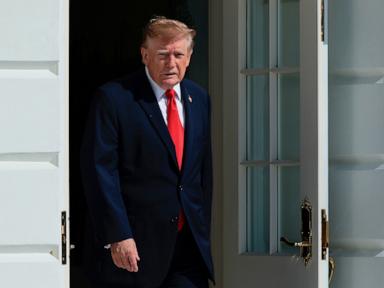
President Trump himself acknowledged the friction, noting to reporters that the administration is weighing both paths. "There are two thoughts: don't show it and show it," Trump remarked. "Because, you know, by showing it, maybe other people won't be doing what he did."
What Happens Next
With the execution scheduled for December 3 at Fort Hood, the clock is ticking down fast. Sources close to the White House indicate that officials are quietly leaning away from the initial livestream plan as pushback mounts from key allies.
Whether the administration sticks to its hardline transparency stance or backs down to avoid handing adversaries a propaganda victory, this case has already shattered decades of precedent. It forces a brutal question into the open: how far should a government go in televising its ultimate penalty?