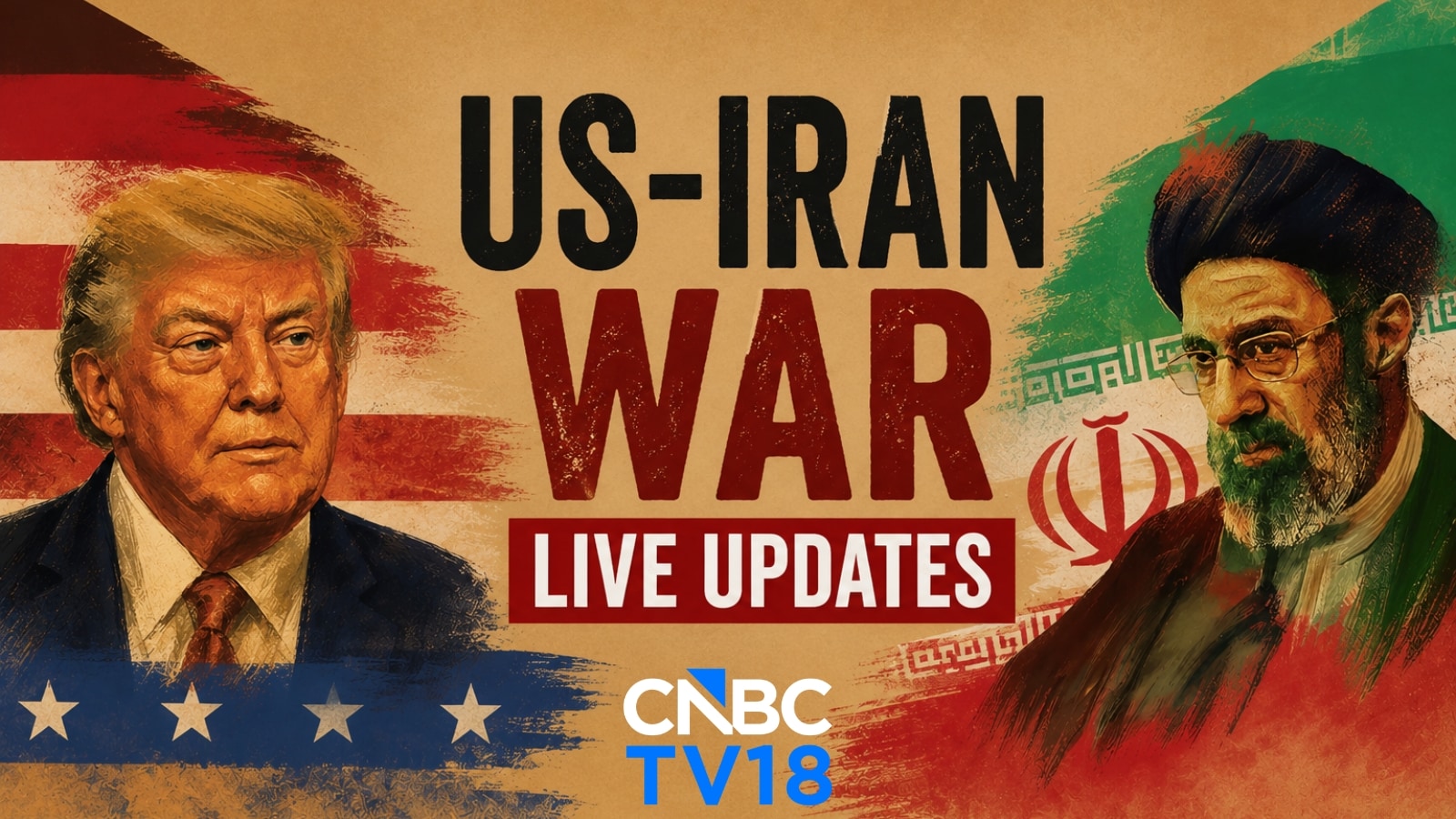
Donald Trump stepped into the White House briefing room on Monday fresh off a high-stakes meeting with Qatari Prime Minister Sheikh Mohammed bin Abdulrahman bin Jassim Al Thani. His message was characteristically bold: the war with Iran is "militarily, effectively over."
Wall Street immediately reacted. Crude oil dropped as traders bet that the worst of the Persian Gulf supply shocks had passed. Meanwhile, you can find similar developments here: Why The American Midterms And Israeli Elections Changed Everything.
Is the conflict actually finished? Not even close.
While Washington points to destroyed Iranian naval vessels and neutralized air defenses, Tehran is demanding a full American surrender to a seven-point list of conditions before any signature hits paper. To see the full picture, check out the excellent report by TIME.
What transpired in the Oval Office reveals a stark divide between White House claims and Middle Eastern realities.
Inside the Oval Office Meeting with Qatar
Qatar has spent decades positioning itself as the Gulf region's indispensable mediator. When Washington needs to talk to groups or regimes it can't publicly stand next to, Doha gets the call. Sheikh Mohammed arrived at the White House carrying more than diplomatic pleasantries—he brought a blueprint for a potential cease-fire negotiated alongside regional partners.
During the press briefing following their meeting, Trump outlined why the administration shifted gears away from another massive bombing campaign.
"In speaking with Qatar, Saudi Arabia, the UAE, Bahrain, Kuwait... they'd rather do it this way," Trump told reporters, hinting that regional allies pushed back against further military escalation.
Instead of launching a strike five times larger than previous operations, the White House opted to maintain a "status quo" military posture. Three U.S. aircraft carrier strike groups remain deployed to the region. The military firepower stays locked and loaded on standby.
U.S. Operational Presence in the Region
├── Carrier Strike Groups: 3 Deployed
├── Strategic Targets Watched: "Pickaxe Mountain" (Nuclear facility)
└── Gulf Coalition Allies: Qatar, Saudi Arabia, UAE, Bahrain, Kuwait
The Strategic Reality Behind the Rhetoric
Why claim a war is over when no treaty exists?
The assertion relies entirely on hard asset degradation. U.S. and allied operations have dismantled major components of Iran's conventional military infrastructure, including fixed air defense sites and major naval assets. From a pure force-on-force perspective, Tehran lacks the conventional hardware to engage in open naval or aerial warfare against U.S. carrier groups.
CONVENTIONAL HARDWARE (Degraded) ──► Aircraft, Frigates, Radar Networks
ASYMMETRIC CAPABILITIES (Active)  ──► Mine Warfare, Ballistic Missiles, Regional Proxies
Wars rarely end just because heavy weapons stop firing in straight lines. Iran's asymmetric capability remains dangerous:
- Strait of Hormuz Blockade: Fast-attack craft and anti-ship missile batteries line the coastline, keeping commercial shipping constrained.
- Ballistic Missile Production: Commanders in Tehran boast that domestic missile production is completely self-sufficient and unaffected by strikes.
- Regional Proxy Network: Houthi forces in Yemen continue launching long-range missile strikes targeting infrastructure across Saudi Arabia.
Declaring victory based solely on degraded conventional forces ignores how asymmetric conflicts function. You can wipe out an air force in a weekend, but neutralising thousands of hidden anti-ship missiles tucked away in coastal mountain ranges takes months or years.
The Diplomatic Standoff: Seven Points vs. Non-Negotiables
While Washington projects confidence, diplomatic channels tell a completely different story.
Top Iranian security official Mohsen Rezaei publicly rejected the White House narrative, calling talk of an Iranian collapse "fake news" and demanding the U.S. agree to Tehran's terms.
Mediators from Turkey and Qatar have drafted a seven-point framework aimed at de-escalating the crisis:
- Immediate Sanctions Relief: Lifting economic restrictions on Iranian oil exports.
- Unfreezing Assets: Access to foreign exchange reserves locked in international banks.
- Nuclear Protocol Re-entry: Structured talks with the IAEA regarding enrichment limits.
- Hormuz Reopening: Formal lifting of maritime blockades in exchange for security guarantees.
- Security Guarantees: A hard pledge against further U.S. or Israeli strikes on sovereign territory.
- Regional Troop Reductions: Scaled-back U.S. naval deployments in Gulf waters.
- Reconstruction Pathways: Frameworks for repairing damaged energy and transport infrastructure.
The sticking point isn't just the terms—it's sequence. Tehran demands sanctions relief before stopping its maritime harassment. Washington insists Iran must permanently dismantle nuclear enrichment infrastructure at sites like "Pickaxe Mountain" before any financial relief flows.
Neither side wants to take the first step onto open ground.
Oil Markets and Energy Security Impacts
Energy markets reacted instantly to the White House briefing. Brent crude prices retreated from recent spikes as traders priced in a lower probability of direct strikes on Iranian oil terminals.
Relief might be premature. The core driver of global energy uncertainty isn't just bomb strikes—it's maritime transit through the Strait of Hormuz.
As long as Iranian forces enforcement-board commercial tankers and deploy sea mines along shipping lanes, insurance premiums for commercial vessels will remain near historical highs. Tanker operators aren't going to resume normal traffic routes just because a press conference sounded optimistic. They need verified, clear water.
+--------------------------+-------------------------------+---------------------------------+
| Metric                   | Conflict Peak                 | Current Post-Briefing Status    |
+--------------------------+-------------------------------+---------------------------------+
| Brent Crude Price        | Elevated Risk Premium         | Moderating on Diplomacy Hopes   |
| Maritime Insurance Rates | 400%-500% Above Baseline      | Extremely High (Risk Unchanged) |
| Daily Strait Transit     | Severe Interruption (~40%)    | Restricted / Escorted Only      |
+--------------------------+-------------------------------+---------------------------------+
What Happens Next: Concrete Indicators to Watch
Forget the political speeches. If you want to know whether this war is actually ending, ignore the White House podium and track these three real-world indicators over the coming weeks:
- Shipping Insurance Rates: Watch Lloyd's Market Association Joint War Committee bulletins. If war-risk surcharges for the Gulf don't drop, the war isn't over for the global economy.
- IAEA Inspector Access: Track whether Iranian officials allow international inspectors back into underground enrichment sites. If inspectors stay locked out, the threat of air strikes remains active.
- Proxy Ceasefires: Monitor Houthi missile launches targeting regional financial centers. A true diplomatic deal will immediately quiet the missile batteries in Yemen.
Until those three markers turn green, calling the war "effectively over" is wishful political positioning, not operational reality.



