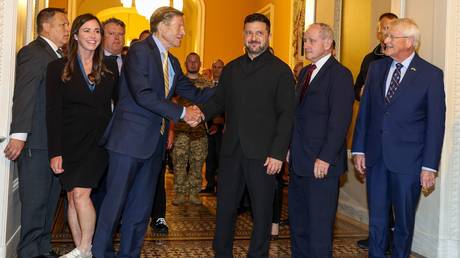
Foreign policy rarely stays quiet for long, but recent statements regarding the geopolitical dynamic with Iran have caught the attention of traders and political analysts alike. When Donald Trump remarked that there is a "good situation with respect to Iran," it triggered immediate waves across financial platforms like Forex Factory, oil markets, and geopolitical forums.
You might wonder what a "good situation" actually looks like when dealing with one of the most volatile regions in modern history. Is it economic pressure paying off? Is it a change in deterrence strategy? Let's break down the realities behind these claims, look past the political rhetoric, and examine how global markets react when tensions in the Middle East shift.
The Economics Behind the Rhetoric
Market participants don't care about political posturing; they care about crude oil inventories, shipping lanes, and risk premiums. Iran sits directly on the Strait of Hormuz, a narrow choke point through which a massive percentage of the world's petroleum passes daily.
When diplomatic or military friction spikes in that region, Brent crude futures shoot up instantly. Traders price in worst-case scenarios—tanker seizures, refinery strikes, and supply shocks. So when a major political figure suggests the situation is under control or improving, energy traders breathe a sigh of relief.
Historically, maximum pressure campaigns involved severe sanctions designed to reduce Iranian oil exports to near zero. Proponents of this approach argue that cutting off state revenue cripples proxy funding and forces a posture of weakness. From that specific perspective, diminished financial capacity on the opposing side gets labeled as a win.
Examining the Reality on the Ground
Of course, claiming everything is fine doesn't make regional proxy wars vanish. Tehran's network across the Middle East remains active, involving groups in Lebanon, Yemen, Iraq, and Syria. Calling the situation "good" requires a very specific lens—usually focused on deterrence, containment, and lack of direct, open warfare between major powers.
If you are trading foreign exchange or commodities, you cannot afford to take political soundbites at face value. A sudden escalation can wipe out weeks of calm in minutes. Smart money looks at actual indicators:
- Maritime insurance rates in the Persian Gulf.
- OPEC+ production adjustments compensating for potential supply disruptions.
- Official diplomatic communications or back-channel talks.
When rhetoric points toward stability, safe-haven currencies like the US Dollar or Swiss Franc might ease off recent highs, while risk assets and equities find room to breathe. But complacency remains the fastest way to lose money in global macro trading.
Why Markets React Instantly to Middle East News
Algorithmic trading bots scan news feeds and transcripts for keywords relating to oil, sanctions, and military conflict within milliseconds. Headlines mentioning Iran paired with positive descriptors trigger automatic buying in equities and selling in safe havens before a human can even read the full sentence.
This creates a dangerous gap between headline perception and underlying reality. Often, the surface calm masks deep-seated structural friction that hasn't been resolved—only managed.
Cutting Through the Noise
You have to separate election-year posturing from actual geopolitical shifts. Whether the situation is genuinely improving or merely quiet for the moment depends entirely on enforcement mechanisms and regional alliances.
Keep your focus on the data that matters. Watch inventory reports, monitor shipping choke points, and maintain strict risk management rules. Geopolitics is unpredictable, and betting your capital on a single political quote is a losing game. Stay sharp, watch the order books, and never assume peace is permanent.