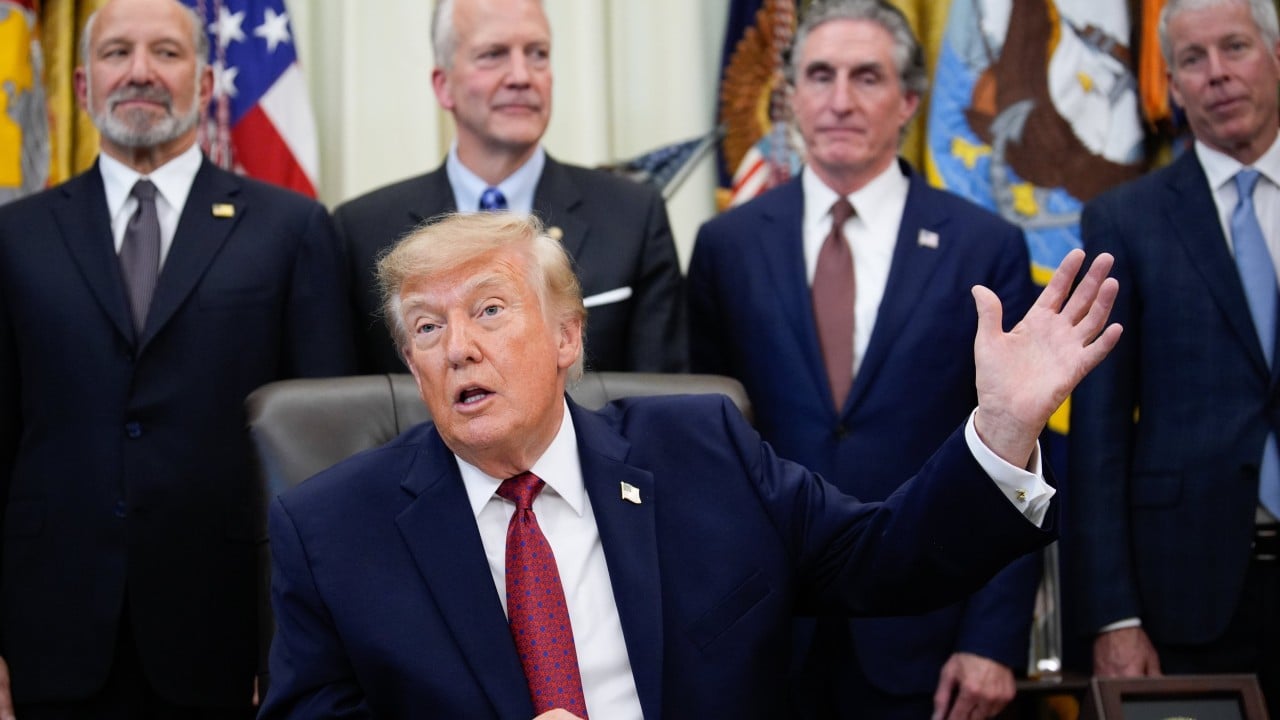
Oil prices have stayed stubbornly high, hovering near triple digits as the conflict with Iran drags on and chokes off critical maritime transit lanes. But U.S. President Donald Trump insists that dynamic is about to flip overnight. Speaking to reporters and media outlets recently, Trump claimed that global crude markets will crash back down the moment the war concludes, pointing to rising flows through the Strait of Hormuz and projected military victory.
If you look past the political rhetoric, the interaction between geopolitical tension and energy costs reveals a stark reality for drivers and investors alike. Can energy markets really rebound that fast, or is political optimism masking a much stickier commodity crisis?
The Strait of Hormuz Chokepoint and Market Reality
Nearly a fifth of the world's traded oil and gas moved through the Strait of Hormuz before hostilities flared up, turning the narrow waterway into a primary weapon of economic leverage. When Iran floated proposals to reopen the channel under specific conditions—such as a seven-day timeline—Trump publicly rejected the deal, instead posting a satirical image dubbing the vital corridor the "Trump Strait" on social media.
Despite the diplomatic deadlock and the rejection of Tehran's terms, Washington points to recent data showing higher tanker flows. Military-escorted transits and alternative export routes have helped push more crude out of the region than many analysts expected mid-conflict. Trump argues that these surging volumes prove the worst is over for supply constraints.
When political leaders talk about energy prices dropping "way down to what it was before the war," they are banking on an immediate psychological and physical release of pent-up supply. Brent crude recently fluctuated around $102 to $108 a barrel, a far cry from pre-war baselines. Investors hate uncertainty, and a declared end to active hostilities would theoretically strip out the war risk premium that currently pads every barrel.
What Real Market Analysts Say About Post-War Crude
Energy traders aren't popping champagne bottles just yet. Even if a ceasefire or outright military victory happens "very soon" as the White House predicts, structural damage to extraction infrastructure, regional security protocols, and shipping insurance rates won't vanish on day one.
Insurance companies have jacked up premiums for tankers operating in the Persian Gulf. Tanker crews demand hazard pay. Refineries have already adjusted their feedstock diets to handle heavier crudes from other parts of the world. Untangling these adjustments takes months, not minutes.
Furthermore, OPEC+ members are monitoring output quotas closely. If a sudden flood of Middle Eastern crude hits the market all at once, cartel members could easily cut their own production quotas to defend price floors, neutralizing the plummeting prices that consumers hope to see at the pump.
The Domestic Political Stakes
Timing matters in politics. With upcoming midterm elections looming in the United States, high fuel costs act as a heavy anchor on incumbent popularity. Voters feel inflation every time they pull up to a gas station. By tying oil price relief directly to the outcome of the conflict with Iran, the administration is framing the military campaign not just as a national security imperative, but as a direct fix for household budgets.
The narrative is simple: win the war, crush the oil prices, and ease consumer pain. But commodities markets do not respond to executive orders or campaign speeches alone. They respond to physical barrels of oil moving through unhindered infrastructure.
If you are tracking your energy investments or budgeting for fuel expenses over the next few quarters, don't expect an instant miracle drop just because a ceasefire is signed. Keep an eye on actual tanker tracking data through the Persian Gulf, watch how shipping insurance rates adjust, and monitor whether OPEC moves to offset any sudden supply gluts. The rhetoric sounds promising, but the math behind global crude requires physical proof on the water before prices truly tumble.