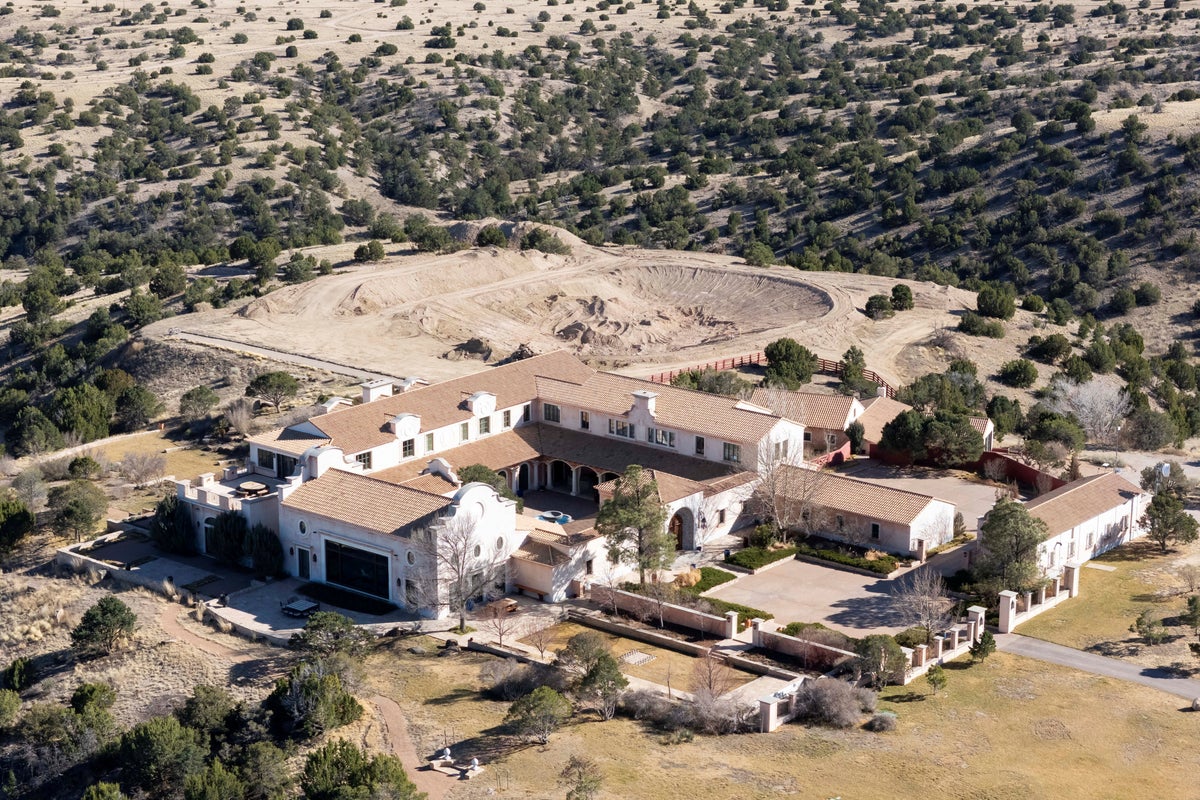
The headlines are screaming that Trump’s DOJ is stonewalling New Mexico’s Jeffrey Epstein investigation, state attorney general says. It’s a mess, and honestly, it’s exactly what people feared when the federal government promised complete openness about the dead sex offender's network. New Mexico Attorney General Raúl Torrez is furious, and he has every right to be. For months, his office has been trying to get a look at unredacted files concerning Epstein’s infamous Zorro Ranch. What they're getting instead is a massive wall of bureaucratic silence and active resistance from Washington.
This isn't just about old paperwork. This is a live, ongoing criminal investigation into human trafficking on New Mexico soil. The state is trying to figure out who helped Epstein build his playground for abuse and who took part in the horrors that happened there. But federal prosecutors are treating these crucial files like top-secret crown jewels, refusing to hand them over to local authorities who actually want to prosecute living co-conspirators. Meanwhile, you can explore other events here: Why Iran Freed A Detained U.s. Citizen In The Middle Of An Active War.
Feds Protect the Secrets of Zorro Ranch
When Congress passed the Epstein Files Transparency Act late last year, it felt like a breakthrough. The law required the federal government to publish its massive stash of Epstein records with minimal redactions. President Trump signed it into law in November 2025, bowing to intense public pressure. Millions of pages dropped in early 2026, but anyone hoping for total clarity was sorely disappointed. Large chunks of text were blacked out, leaving researchers and law enforcement in the dark.
New Mexico decided to take matters into its own hands. State investigators reopened their criminal probe into Epstein’s 10,000-acre Zorro Ranch near Stanley, New Mexico. They knew the federal files held the keys to unlocking names of survivors, witnesses, and potential local accomplices. To explore the complete picture, we recommend the detailed article by Wikipedia.
Torrez sent his first official request for unredacted records back in February. Since then, his team has made at least six separate attempts to get the Justice Department to cooperate. He even tried to set up an in-person meeting during a trip to Washington. The response? Complete stonewalling.
More than 130 days passed without a single useful document being turned over. Torrez finally lost his patience and fired off a blistering letter to Acting U.S. Attorney General Todd Blanche, making it clear that the federal government is actively sabotaging a state-level criminal investigation.
Why Trump DOJ Is Stonewalling New Mexico Jeffrey Epstein Investigation According To State Attorney General
The friction reached a boiling point during high-profile Senate confirmation hearings in Washington. Lawmakers grilled Todd Blanche and Jay Clayton, the U.S. Attorney for the Southern District of New York who is gunning to lead the National Intelligence apparatus. Senator Martin Heinrich of New Mexico pressed Clayton directly on why the Justice Department is choking off the flow of evidence to state prosecutors.
Clayton hid behind legal jargon. He claimed the unredacted documents are tied up in court-ordered protective measures. Blanche muttered standard lines about continuing to look into the matter. But behind the scenes, the story is much uglier. Torrez revealed that prosecutors within the Southern District of New York explicitly told his office they will not cooperate with New Mexico’s criminal case.
Think about how absurd that is. You have a state attorney general trying to track down active leads about child sexual exploitation and human trafficking, and the highest law enforcement body in the country is telling him to pack it up.
This isn't a new pattern either. Back in 2019, New Mexico’s previous attorney general, Hector Balderas, tried to launch a serious investigation into Zorro Ranch. Federal prosecutors stepped in and ordered the state to halt its work so the feds could run their own case. The feds claimed they had it under control. Then Epstein died in his Manhattan jail cell, federal prosecutors wrapped up their narrow indictments, and the sprawling operation in New Mexico was completely ignored. No federal search warrant was ever executed on that massive desert ranch. Now that the state wants to finish what it started, the feds are locking the vault.
The Dark Reality of the New Mexico Files
Why are the feds so terrified of letting a state attorney general look at these documents? The answer lies in the explosive, unverified leads buried within the redacted pages.
One released document shows that a local media host in Albuquerque brought a chilling tip to the FBI back in 2019. A source had offered to sell seven videos showing sexual abuse by Epstein, along with the exact location where two foreign girls were buried on the grounds of Zorro Ranch. The price tag was one bitcoin.
Did the FBI dig up the ranch? No. Did they aggressively track down the videos? It doesn't look like it. New Mexico investigators want to know exactly what the feds did with that information, but the crucial names and identifying details are obscured by heavy federal ink.
Survivors have stated under oath that Zorro Ranch was a core hub for Epstein’s trafficking ring. Virginia Giuffre and Chauntae Davies detailed the abuse they suffered at the compound. There are public allegations that Epstein intended to use the ranch to breed children with his genetics. This wasn't just a vacation home; it was a compound designed for systemic criminality. The state needs unredacted files because those documents contain the names of local staff, security personnel, contractors, and powerful guests who knew exactly what was happening in central New Mexico.
The Damaging Cost of Federal Delay
Every single day the Justice Department sits on these records, the chance of securing justice shrinks. Torrez pointed this out in his letter, noting that witness memories are fading under the weight of years of trauma. People move away. Physical evidence degrades or gets lost entirely.
Members of Congress are so disgusted by this foot-dragging that they just introduced the Epstein Files Transparency Act II. This new bill explicitly gives state attorneys general and survivors the right to sue the U.S. Attorney General in court if the DOJ keeps hiding the files. It's a sad state of affairs when Congress has to pass a second law just to force law enforcement to obey the first law.
The DOJ keeps releasing hollow public statements claiming they stand ready to assist New Mexico. They tell reporters they welcome the investigation. Yet, when the state requests the literal names of co-conspirators, the door gets slammed shut. It’s bureaucratic gaslighting at its finest.
Demanding Justice on Local Ground
New Mexico isn't backing down. The state has already formed a bipartisan Survivors' Truth Commission to investigate the ranch. They’ve fired off subpoenas to major banking institutions, various U.S. Attorneys' offices, and even state executive branches to claw back information.
If the Department of Justice doesn't turn over the unredacted files by July 31, Torrez has made it clear that his office will pursue aggressive legal remedies to force their hand. The federal government does not have a monopoly on criminal justice, especially when the crimes took place right in New Mexico's backyard.
If you want to see this cover-up exposed, you need to watch how state leaders handle the upcoming deadlines. Keep close tabs on the progress of the Epstein Files Transparency Act II in Congress, and pressure your representatives to support total disclosure. State prosecutors are ready to build a real criminal case, but they can only do it if the federal government stops shielding the names of the powerful people who enabled Jeffrey Epstein. The era of letting Washington bury the truth is over.