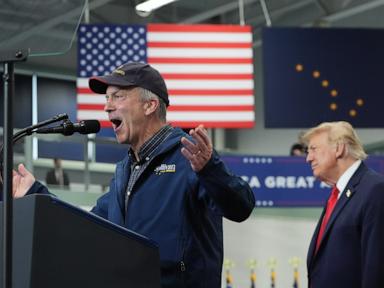
Donald Trump didn’t spend eight hours on Air Force One flying to Wasilla, Alaska, just for the scenery. When a Republican president feels compelled to trek four time zones west to campaign for a Senate incumbent in a state that hasn't voted blue for the upper chamber in nearly twenty years, panic has officially set in at national headquarters.
The midterm elections on November 3 are looming, and the Alaska Senate race between Republican incumbent Dan Sullivan and Democrat Mary Peltola is tighter than anyone in the GOP establishment expected. High gasoline prices born from overseas conflicts and stubborn inflation have chipped away at presidential approval ratings nationwide. Alaska is feeling that economic pinch acutely. Local pollsters note that voters who pulled the lever for Trump in previous cycles are now questioning whether they want to stay on the ride.
Sullivan is seeking his third term. He’s standing shoulder-to-shoulder with the White House on major policy positions, including aggressive oil and gas development and heavy tariffs. But that loyalty is getting tested by local realities. Trade friction with Canada—a neighbor sharing a 1,500-plus-mile border with the state—has hit Alaska's import market hard. When the U.S. banned nearly one billion dollars worth of Canadian goods following steep tariffs, it created immediate anxiety for consumers who rely on northern trade corridors. Alaskans have always prided themselves on an independent political streak that doesn't neatly fit into Lower 48 party boxes.
During his rally at the Curtis D. Menard Memorial Sports Center, Trump rolled out major announcements aimed at jumpstarting enthusiasm. He promised that Taiwan would invest more than four billion dollars into a long-discussed mega-gas project and purchase its fuel. He also dangled a federal funding boost of 162 million dollars for high-speed internet expansion across the state and issued pardons for two men convicted of Clean Air Act violations regarding vehicle monitoring devices.
Yet the friction on the ground goes beyond national economic headwinds. Alaska's unique ranked-choice voting system creates chaos for party strategists. To make matters worse for the Republican base, a secondary candidate sharing the exact same name—retired teacher Dan J. Sullivan—secured a spot on the November ballot. Trump used his stage time to warn voters against this "sham candidate," urging them to back the incumbent. Similar intra-party headaches surfaced in the gubernatorial race, where Trump endorsed Bernadette Wilson despite state leaders pushing a ranked-voting strategy among multiple Republicans.
Peltola, a former congresswoman running on a strict cost-of-living platform and an "Alaska first" message, has capitalized on these vulnerabilities. She knows that voters sitting around kitchen tables in Anchorage, Fairbanks, and rural outposts care far more about home heating bills and grocery prices than national partisan talking points.
Whether an eight-hour cross-country campaign blitz can rescue Sullivan remains an open question. Alaska politics has always defied easy predictions, proving competitive in years when the rest of the country swings hard in one direction or another.
If you are following the closing weeks of the midterms, look past the national media blitzes in swing states like Pennsylvania and Arizona. Pay attention to the margins in frontier districts where local economic pain can upend decades of predictable voting patterns. Check your local state guidelines on ranked-choice mechanics before heading to the polls on November 3.