Another week, another public clash of narratives between Washington and Tehran. Donald Trump took to social media and the press to announce that the United States was entering direct negotiations with Iran, pointing to imminent progress over the volatile Strait of Hormuz.
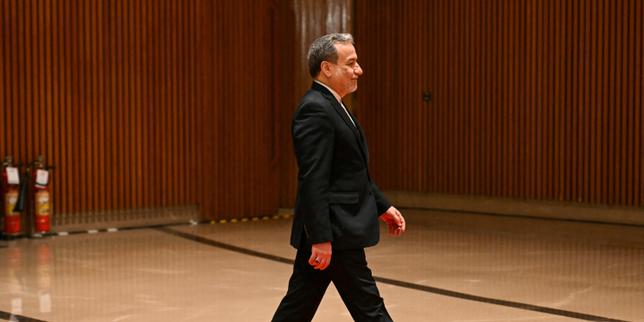
Barely twenty-four hours later, Iranian diplomacy flatly rejected the claim. The message from Tehran was blunt: there are no direct talks with the United States. Channels remain strictly localized through intermediaries like Oman, focusing purely on specific maritime corridors rather than a grand diplomatic reset. If you liked this piece, you might want to check out: this related article.
This recurring pattern exposes the deep disconnect driving the ongoing Middle East conflict.
The Anatomy of a Contradiction
When a US president claims a breakthrough while the opposing regime calls it fiction, somebody is playing to a domestic audience. Trump’s strategy relies heavily on projecting an image of strength combined with an off-ramp, signaling to American voters and jittery global markets that the cost of oil and the risk of endless war are under control. Brent crude prices routinely swing wildly based on these announcements, dropping roughly five percent every time a false dawn of peace is broadcasted. For another perspective on this development, refer to the recent coverage from NPR.
Tehran cannot afford to look weak at home. Admitting to sudden, direct capitulation or dialogue with Washington under military pressure invites internal political vulnerability.
Instead, Iranian officials draw a sharp red line. They insist that any technical arrangements concerning maritime traffic in the Persian Gulf happen via Muscat, keeping direct American interaction off the table.
The Reality of the Strait of Hormuz Chokepoint
At the heart of this posturing lies the real geopolitical leverage: the Strait of Hormuz. Global energy security depends entirely on this narrow maritime artery. Since hostilities flared up, the waterway has turned into a high-stakes chess piece.
Iran maintains a tight grip on passage options, permitting limited movement only along designated routes under the watchful eye of the Islamic Revolutionary Guard Corps. While diplomatic channels involving Oman attempt to hammer out a workable compromise that satisfies regional security without handing Washington a cheap PR victory, the physical reality on the water remains tense. Incidents like reported explosions near commercial tankers underscore how fragile any claimed breakthrough actually is.
Reading Between the Lines of Middle East Diplomacy
If you want to understand what is actually happening behind closed doors, ignore the public pronouncements on social media. Look instead at the quiet movements of regional mediators like Pakistan and Oman. True de-escalation rarely arrives via sudden presidential declarations; it crawls forward through tedious, indirect technical coordination.
The current war has dragged on for months past initial projections, exhausting regional economies and testing international patience. Both sides are trapped in a military stalemate where neither can land a knockout blow, nor afford total surrender.
Expect more public contradictions in the coming days. As long as Washington needs political victories and Tehran needs domestic defiance, the dance of denials will continue. Keep a close eye on actual maritime insurance rates and physical tanker movements through the Gulf rather than political press conferences to gauge when this conflict genuinely begins to cool down.