The Islamabad Memorandum lasted less than a month.
If you want to understand why the Middle East is sliding back into a major regional war, look at the Strait of Hormuz. Just weeks after Donald Trump and Iranian President Masoud Pezeshkian remotely signed a tentative peace deal on June 17, 2026, the entire agreement has shattered.
The U.S. military just wrapped up its third consecutive night of heavy airstrikes inside Iran, hitting key coastal hubs like Bushehr, Bandar Abbas, and Chah Bahar. Meanwhile, Iran is firing back, targeting U.S. bases in Bahrain and Jordan, and launching cruise missiles at commercial tankers.
Yet, in typical fashion, Trump insists a deal is still "possible".
It looks like complete madness. How do you negotiate a permanent peace deal while actively trading ballistic missiles?
To make sense of this chaos, you have to look at the leverage both sides are trying to claw back, the brutal math of global oil, and why the Strait of Hormuz remains the ultimate trigger.
The Illusion of the June Ceasefire
Let's be clear about what the June 17 Islamabad Memorandum actually was. It wasn't a final peace treaty. It was a fragile, 60-day temporary truce designed to buy time for negotiators to tackle the hard stuff: nuclear inspections and U.S. sanctions.
The deal was built on shaky ground from day one. The primary point of friction? Control over the world’s most important maritime chokepoint.
Iran claims that the ceasefire terms gave them the right to manage and coordinate traffic passing through the Strait of Hormuz. The U.S. and its allies flatly reject this, arguing the strait is an international waterway that Iran has zero right to block.
When Iran began firing warning shots and demanding that shipping companies coordinate with them, the White House saw it as a blatant violation. Trump retaliated by pulling the plug on a temporary sanctions waiver that allowed Iran to sell its oil.
Once the oil waiver was revoked, the ceasefire was effectively dead.
Iran responded by declaring the Strait of Hormuz closed and disabling a civilian container ship. That move triggered the current, violent spiral of tit-for-tat military strikes.
Inside the Three-Day Air Campaign
This isn't a minor border skirmish. The U.S. air campaign over the last three nights has been incredibly intense.
According to U.S. Central Command (CENTCOM), a massive five-hour mission struck crucial military targets across southern Iran. The strikes specifically targeted:
- Bushehr: The coastal region hosting Iran's sole civilian nuclear power plant. While the plant itself wasn't hit, the strikes heavily targeted nearby military installations.
- Bandar Abbas and Jask: Major naval bases housing Iran's fast-attack boats and missile batteries.
- Abu Musa Island: A tiny, highly strategic island in the middle of the strait used by the Islamic Revolutionary Guard Corps (IRGC) to monitor shipping.
CENTCOM deployed fighter jets, naval warships, and, notably, one-way attack sea drones for the first time in this theater. The goal is clear: systematically dismantle the IRGC’s radar network, coastal air defenses, and anti-ship missile sites to keep the shipping lanes open.
But Iran isn't taking this lying down.
Iran Strikes Back at U.S. Bases and Tankers
Tehran’s response was swift and highly coordinated.
The IRGC launched a barrage of ballistic missiles and one-way attack drones at U.S. military installations across the Gulf. In Bahrain, home to the U.S. Navy’s Fifth Fleet, missile sirens wailed for a second time as Iranian weapons targeted military warehouses, radar installations, and a satellite communications hub. Iran claimed it successfully knocked out a Patriot missile radar and a C-RAM early warning system.
Further north, Jordan’s Prince Hassan Air Base—a key staging ground for U.S. operations—was also targeted by Iranian ballistic missiles.
The conflict is also spilling over into commercial shipping.
Iran fired cruise missiles at two tankers associated with the United Arab Emirates—the Mombasa and the Al Bahiyah—as they transited the strait. The attack set both ships on fire, killing an Indian crew member and injuring eight others. This marks a dangerous escalation that could pull the UAE directly back into the shooting war.
Why Trump Thinks a Deal is Still Possible
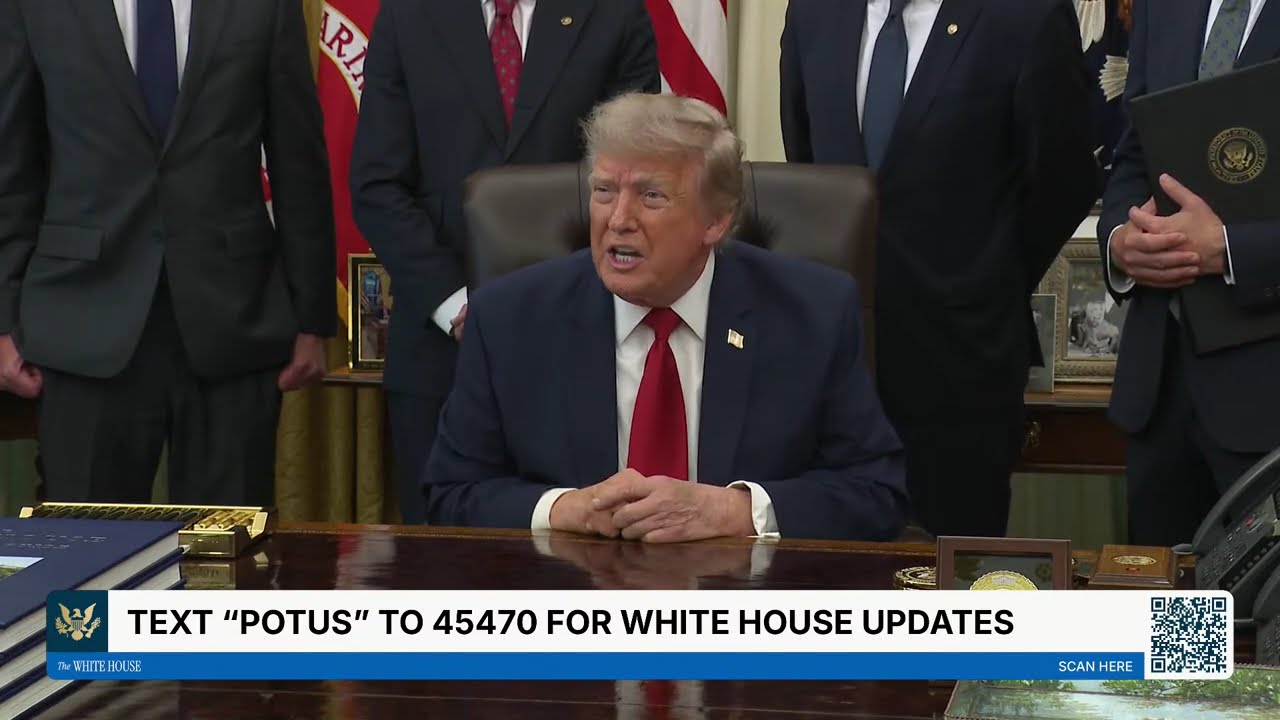
In the middle of this high-stakes military exchange, Trump’s rhetoric has been dizzying. One minute he’s posting videos of explosions on Truth Social and warning Iran that "it will get much worse," and the next he’s telling reporters in the Oval Office that a deal is still "possible".
It sounds contradictory, but it aligns perfectly with his lifetime approach to negotiations: maximum pressure.
Trump is using military force as an active diplomatic tool. By launching heavy airstrikes and destroying IRGC assets, he’s trying to force Tehran to realize that holding the Strait of Hormuz hostage will cost them more than they can afford. He wants to bring them back to the table from a position of absolute weakness.
Iran is playing the exact same game, just from the opposite side.
They know they can't match the U.S. military in a prolonged, conventional war. But they also know they hold a massive economic weapon: the power to choke off 20% of the world's oil supply.
By hitting tankers and targeting U.S. bases in Bahrain, Iran is sending a clear message to Washington: If we can't export our oil, we will make sure no one else can either. They are betting that the threat of an energy crisis and soaring global inflation will eventually force Trump to back down and restore their oil waivers.
We are already seeing the economic fallout. Oil prices surged nearly 3%, with Brent crude hitting a four-week high of $84.80 per barrel. If the fighting in the strait continues, analysts fear oil could easily push past the $100 mark, threatening the global economy.
The Realities of This Standoff
The current situation is incredibly volatile, and both sides are making massive miscalculations.
First, the U.S. believes it can surgically degrade Iran's capabilities without getting dragged into a wider regional war. But as the attacks on Bahrain and Jordan show, Iran has a highly distributed and resilient arsenal of missiles and drones that can easily bypass regional air defenses. There is no such thing as a "clean" air campaign in this region.
Second, Iran is severely underestimating Trump’s willingness to escalate. Iranian officials like Parliament Speaker Mohammad Bagher Ghalibaf have publicly declared that "the era of bullying and extortion is over" and that Iran "won’t fold". But cornering a U.S. president who is highly sensitive to domestic economic pressures—and who openly fears being remembered like Herbert Hoover during an economic collapse—is an incredibly risky gamble.
If either side pushes too hard, this "maximum pressure" loop will spiral into a full-scale war that neither country actually wants.
What to Watch Next
The situation is changing rapidly, but the key indicators of where this conflict is headed will come down to three main pressure points:
- Shipping Insurance and Tanker Traffic: Watch how commercial maritime companies react to the attacks on UAE tankers. If insurance rates skyrocket or shipping giants refuse to transit the Strait of Hormuz, the pressure on global energy markets will reach a boiling point, forcing a diplomatic or military climax.
- Backchannel Diplomacy: Keep an eye on mediators in Pakistan and Switzerland. Despite the public bravado and the military strikes, intelligence channels remain open. If talks quietly resume in Islamabad, it will be a sign that the pain of the current escalation is working on both sides.
- The Domestic Reaction in Iran: The country is currently burying its late Supreme Leader, Ayatollah Ali Khamenei. This transition of power, combined with a shattered economy and renewed U.S. strikes, means the Iranian regime is facing immense internal pressure. How the new leadership handles this domestic vulnerability will dictate their willingness to compromise.
The coming days will decide whether the Islamabad Memorandum can be salvaged, or if the Middle East is heading into a long, destructive conflict.