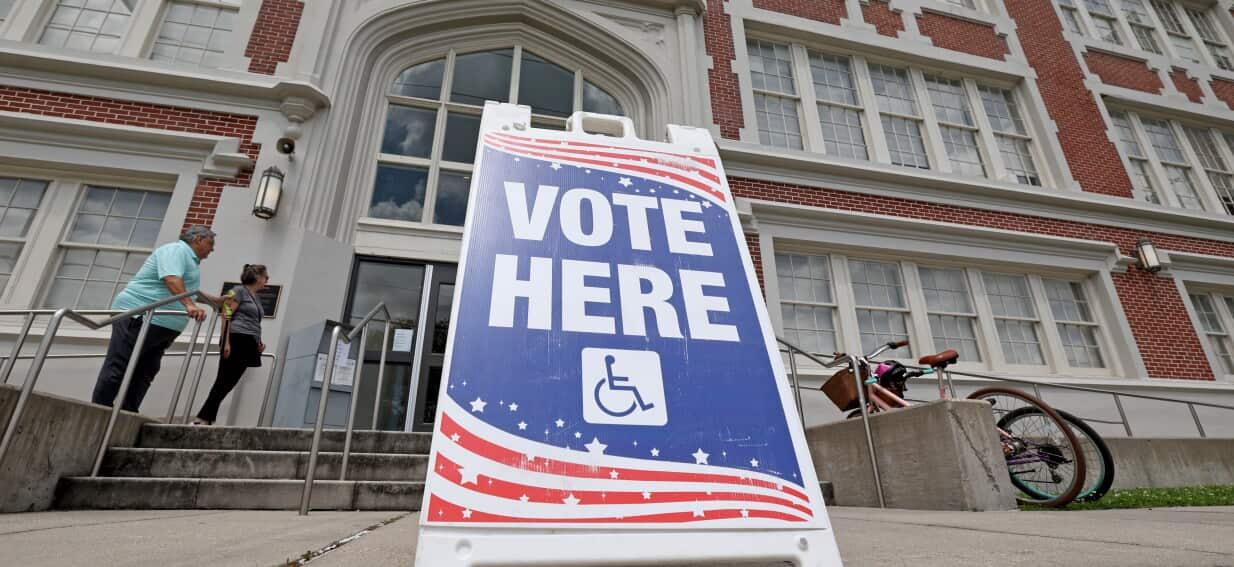
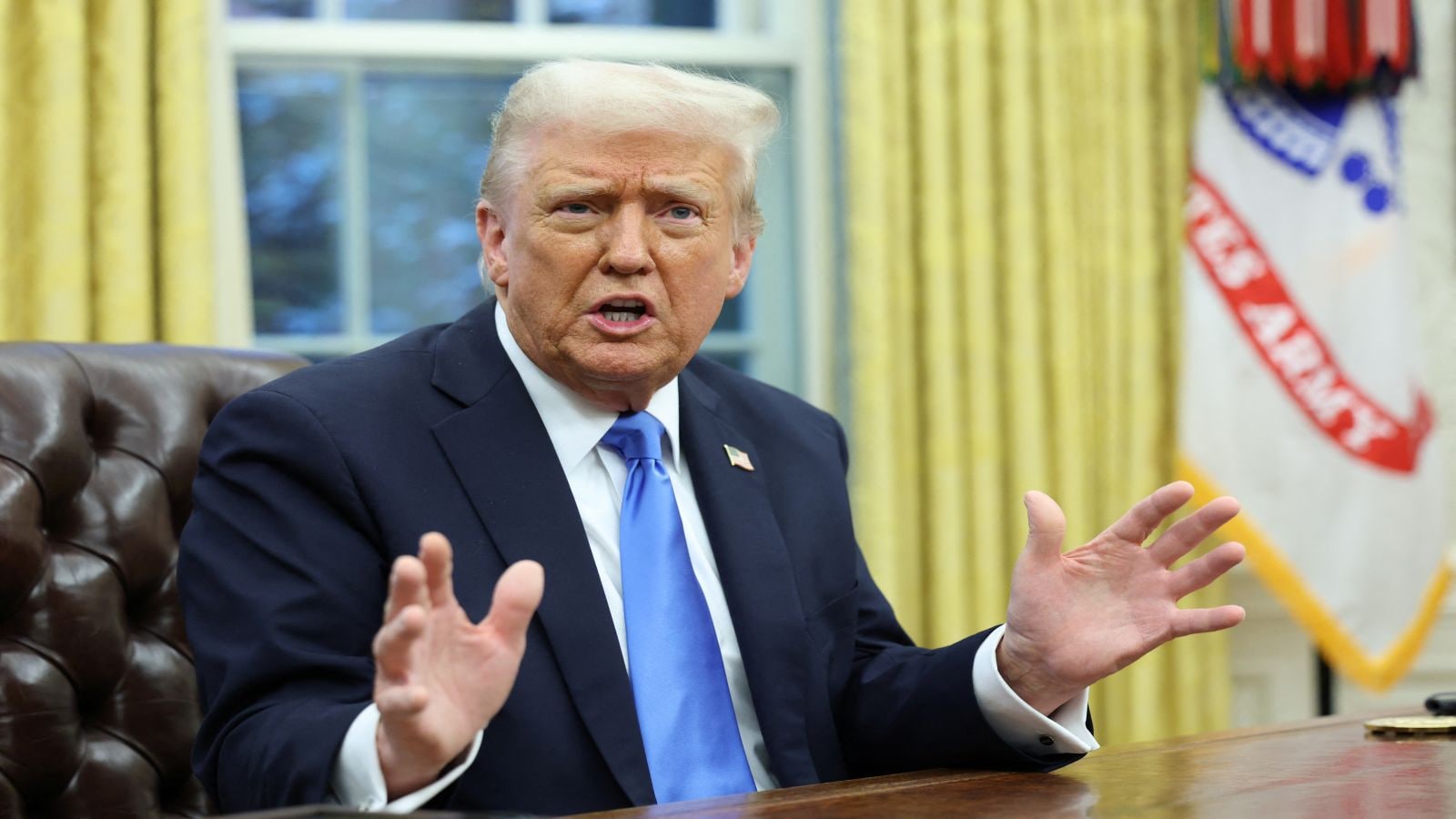
Midterm elections rarely spell good news for a sitting president, but the 2026 rout went far beyond a standard political correction. When American voters handed control of both the House of Representatives and the Senate to the Democrats, they didn't just alter domestic legislation—they instantly scrambled Washington's entire foreign policy playbook. Diplomatic initiatives that relied on unchecked executive authority are suddenly hitting a brick wall. Among the casualties is the much-discussed prospect of a high-stakes diplomatic summit with North Korea, an idea that now looks increasingly dead on arrival.
If you're wondering why a congressional shakeup in Washington has direct consequences for Korean Peninsula diplomacy, the answer comes down to leverage, funding, and political survival. Donald Trump built his brand on personal diplomacy and bypassing traditional bureaucratic channels. But a hostile Congress changes the math entirely. When the opposition party takes control of investigative committees and holds the purse strings, foreign leaders pay attention. Pyongyang's calculus has always depended on dealing with a secure American president who can deliver on promises, treaties, and sanctions relief. A weakened White House facing relentless congressional oversight offers very little certainty.
The Domestic Earthquake That Shook Foreign Capitals
The scale of the Republican defeat caught almost everyone off guard. Democrats didn't just hold their ground; they punched deep into red territory, flipping Senate seats in states like Texas, Kansas, and Iowa while seizing a comfortable majority in the House. Voters expressed deep frustration over persistent economic strains, tariffs, and escalating entanglements abroad, particularly concerning Iran.
Trump tried to brush off the results by noting he wasn't personally on the ballot, but foreign leaders don't care about technicalities. They care about power. When a U.S. president loses both chambers of Congress midway through a term, their ability to execute bold, unconventional foreign policy initiatives evaporates. Treaties requiring Senate ratification become impossible dreams, and funding packages face intense scrutiny.
Why Pyongyang Is Backing Away
For months, backchannel chatter hinted at a possible revival of personal summitry between Washington and Pyongyang. Kim Jong Un's regime watches American domestic politics closely. North Korean statecraft relies on extracting maximum concessions from American leaders who desperately want a foreign policy legacy win.
However, a diminished president facing a hostile, investigation-hungry Congress has very little room to maneuver. To make a credible deal with North Korea, an administration needs domestic political capital—something Trump is currently short on at home. If the White House promises sanctions relief or security guarantees, a Democratic-controlled Senate can block, investigate, or publicly dismantle those commitments before the ink even dries.
Furthermore, Kim's advisers know that any agreement reached with a politically crippled executive branch could easily be overturned by the next administration or blocked by Capitol Hill. Dictatorships aren't interested in wasting diplomatic capital on a U.S. partner who can't deliver domestic backing. The incentive for Pyongyang to sit at the table has plummeted because the prize—permanent, legally binding normalization or sanctions relief—is simply out of reach.
What This Means for Global Diplomacy Moving Forward
The loss of congressional control fundamentally transforms how the rest of Trump's term will play out on the world stage. It's not just North Korea taking a back seat. Allies and adversaries alike are adjusting to a new reality of divided government in Washington.
European partners, Middle Eastern actors, and Indo-Pacific strategists now realize that any major foreign commitment coming out of the executive branch carries an asterisk. Congress will demand a voice on military deployments, trade agreements, and foreign aid. The days of unilateral grand gestures are over, replaced by a messy, combative legislative branch eager to check executive overreach.
The midterm earthquake proved that domestic economic anxieties and voter fatigue can upend even the most ambitious geopolitical grand designs. North Korea may keep watching and waiting, but the window for a breakthrough summit has slammed shut. Power in Washington has shifted, and the ripple effects are reshaping America's place in the world.