You can not sue a news outlet just because you disagree with their reporting. A federal judge in Miami just made that crystal clear.
U.S. District Judge Darrin Gayles threw out Donald Trump’s staggering ten billion dollar defamation lawsuit against The Wall Street Journal. The case centered on the newspaper's coverage of a controversial, sexually suggestive birthday letter linked to Jeffrey Epstein. Instead of letting the case drag on, the court issued a dismissal with prejudice. That means Trump cannot simply refile the same complaint in that court. It is dead.
Legal battles between politicians and the press happen all the time. But this ruling sets a massive benchmark for actual malice standards and how courts view high-stakes media scrutiny.
The Core of the Legal Defeat
To win a defamation case as a public figure, you have to clear an impossibly high legal bar. You cannot just prove a statement is false. You must prove actual malice. That means the publisher either knew the information was fake or acted with reckless disregard for the truth.
Trump's legal team tried to argue that the Journal manufactured flaws in its investigative process. Judge Gayles wasn't buying it. In a twenty-page opinion, the court pointed out that the newspaper actively tried to reach out to Trump and his representatives for comment before running the story. They even included Trump's explicit denials in the final piece.
Those basic editorial safeguards completely destroyed the argument for actual malice. Judge Gayles went as far as describing the legal strategy as "grasping at straws".
Why the Epstein Letter Stays in the Spotlight
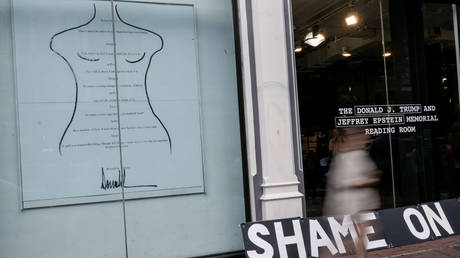
The controversy revolves around investigative reporting regarding an alleged birthday note intended for Epstein. While the Journal didn't originally publish the full physical image of the document, its reporting on the contents ignited a firestorm. Later, files released via congressional oversight brought the document back into the public eye.
For Trump, the association with Epstein has remained a persistent political headache. Filing a multi-billion dollar lawsuit was meant to send an aggressive message to media organizations. Instead, it backfired legally.
Broader Implications for Media and Politics
This ruling arrives amid a broader war between the administration and major news outlets. Trump has maintained an adversarial relationship with much of the mainstream press during his second term. Defamation suits have become a frequent weapon of choice against organizations that publish critical pieces.
However, American libel law heavily favors free speech protections. Courts consistently protect publishers who conduct due diligence, seek comments from the subjects of their stories, and transparently include denials. When a newsroom follows standard journalistic practices, judges are remarkably quick to dismiss retaliatory lawsuits.
The defense can even look into seeking legal fees under anti-SLAPP statutes designed to punish frivolous litigation meant to silence critics.
While an appeal remains a possibility, the immediate outcome is definitive. The federal bench is drawing a sharp line against using the courts as a veto button for unfavorable news coverage.