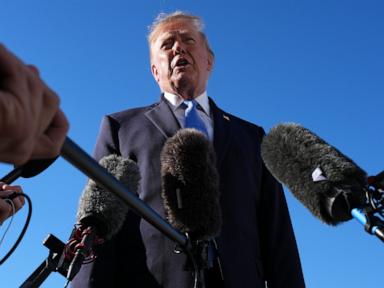
Donald Trump just put a seven-figure bounty on voter fraud.
Heading into the final stretch before the 2026 midterm elections on November 3, Trump announced on Truth Social that anyone who provides information leading to the arrest and criminal conviction of those responsible for voter fraud in past or present elections will receive a $1,000,000 payout.
"Anybody reporting Voter Fraud in the past Elections, or the upcoming 2026 Midterm Election, will be paid $1,000,000 upon the arrest and conviction of those that created the Fraud!" Trump wrote.
If you've been following American politics over the last few years, the announcement isn't entirely shocking, but the cash figure certainly turns heads. Coming just days before voters head to the polls to decide control of the U.S. House and Senate, this move is a high-stakes blend of political theater, aggressive posturing, and a direct appeal to his core base.
So, how does a $1 million voter fraud reward actually work, who pays for it, and what does it mean for the upcoming vote? Let's break down what's really happening here beyond the headlines.
How the One Million Dollar Voter Fraud Bounty Actually Works
The headline sounds simple enough: spot fraud, make a phone call, get rich. But the legal reality behind criminal convictions is far more intricate.
Trump's offer hinges on two very specific legal criteria: an arrest and a conviction. That distinction is everything.
In the U.S. legal system, getting someone arrested requires probable cause. Getting a criminal conviction requires proof beyond a reasonable doubt, often through a trial or a formal plea deal. Criminal cases involving election integrity or ballot tampering typically take months, if not years, to move through state or federal courts.
If someone submits a tip today, they won't be collecting a check tomorrow. They'll be sitting on hold while prosecutors weigh charges, investigators gather evidence, and judges handle grand jury indictments.
Who Decides Who Gets Paid
Trump previously noted during Oval Office remarks regarding administration anti-fraud programs that he intends to serve as the ultimate judge for payouts, remarking, "I will be the arbitrator of all of these decisions... It'll be a binding arbitration."
Whether this specific $1 million election reward will be disbursed directly through federal task forces or private funding remains a central point of discussion among legal scholars. Earlier in his administration, Trump and Vice President JD Vance introduced anti-fraud task forces to target government waste, even handing out initial reward checks for public tips on social service fraud. Expanding this financial incentive model into the voting space marks a dramatic escalation of that approach.
Why the Timing of This Announcement Matters
Timing is never an accident in political campaigns. With control of Congress hanging in the balance, both major parties are fighting for every single precinct.
By dropping a $1 million reward offer days before Election Day, Trump achieves three immediate objectives:
- Energizing the Grassroots Base: Cash incentives create an immediate incentive for political activists and poll watchers to scrutinize local election procedures.
- Dominating the News Cycle: A million-dollar headline instantly shifts public debate away from routine policy arguments and puts election security front and center.
- Establishing a Post-Election Narrative: If close races end in razor-thin margins, having a formal reward program already in place lays the groundwork for challenging outcomes or demanding immediate investigations.
It's a aggressive tactic that forces political opponents to respond, while giving his supporters a tangible way to participate in election monitoring.
The Reality of Voter Fraud Numbers vs. Public Perception
When you look at actual court records and academic studies, proven criminal voter fraud in the United States remains exceedingly rare. Research consistently shows that most election discrepancies stem from clerical errors, outdated voter rolls, or administrative misunderstandings rather than coordinated criminal networks.
However, offering a $1 million payout creates an immediate financial motive for citizens to flood state election boards and law enforcement hotlines with tips.
What Tipsters Need to Know Before Reporting
If you're thinking about submitting information or monitoring a polling location, you need to understand the legal boundaries:
- False Statements Are Illegal: Filing a knowingly false police report or lying to federal agents is a felony under federal law (18 U.S.C. § 1001). Submitting unverified rumors to chase a payout can land you in serious legal trouble.
- Poll Monitoring Has Limits: State laws strictly regulate who can act as a certified poll watcher. Intimidating voters or interfering with election workers at polling places is illegal under both state and federal statutes.
- Documentation Is Mandatory: Law enforcement agencies won't act on speculation or viral social media videos. Valid tips require concrete documentation, witness statements, and verifiable chain-of-custody evidence.
What Happens Next on Election Night
As the November 3 midterm elections draw near, expect election authorities across the country to brace for an unprecedented influx of public tips, claims, and hotline calls. Local election clerks are already working around the clock to ensure ballot tabulators are tested, security protocols are locked down, and poll workers are trained to handle high-tension environments.
If you suspect legitimate illegal activity at a polling site or during the vote-counting process, don't rely on social media posts. Contact your state's Secretary of State office, the local county board of elections, or the Civil Rights Division of the U.S. Department of Justice to lodge a official report.
Whether this $1 million reward produces concrete criminal convictions or simply amplifies the debate surrounding election integrity, one thing is certain: the 2026 midterms will be among the most closely scrutinized elections in modern American history.