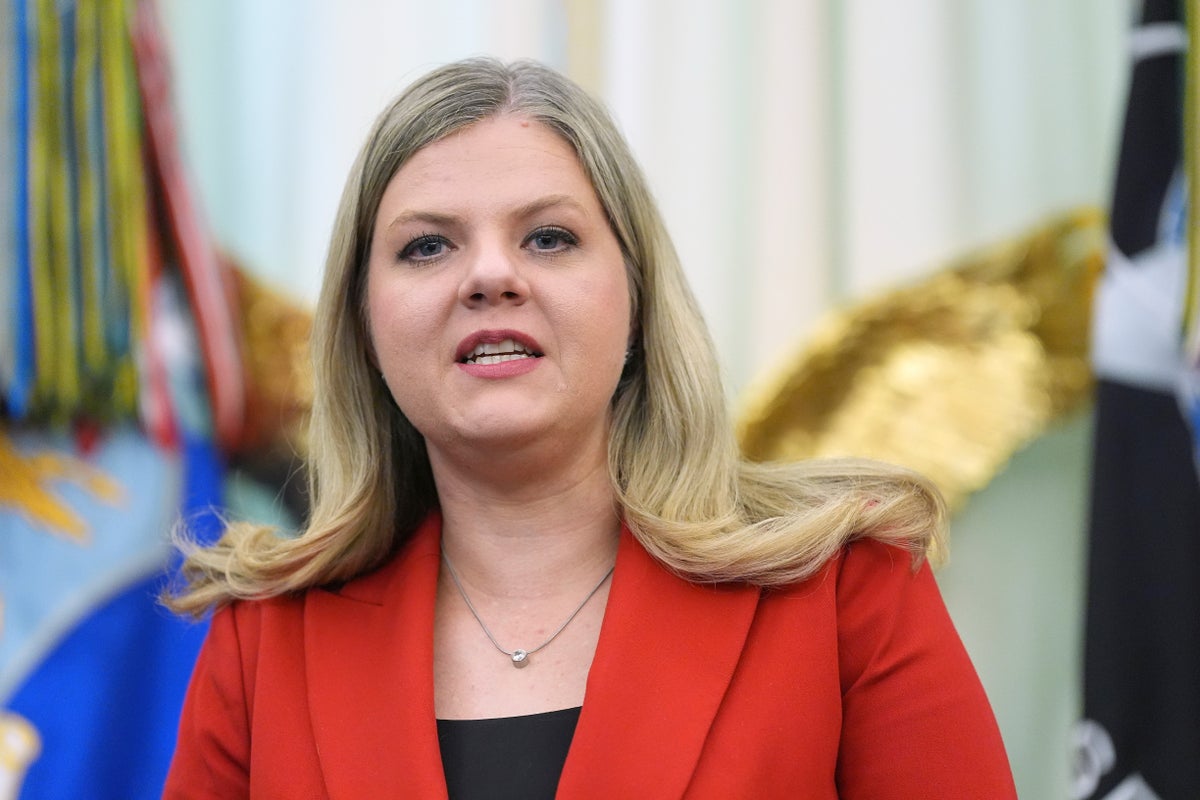
The Food and Drug Administration just entered a new era. When President Trump announced Dr. Heidi Overton as his choice to lead the agency, he didn't just name a new commissioner. He signaled a hard turn in how the federal government will approach drug approvals, reproductive health, and the broader wellness agenda championed by Health Secretary Robert F. Kennedy Jr.
If you are wondering why this specific nomination has created such a firestorm, look past the headlines. It’s not just about abortion politics. It’s about the fundamental tension between established scientific bureaucracy and a White House intent on tearing up the rulebook. Learn more on a similar topic: this related article.
Understanding the Overton Appointment
Dr. Heidi Overton isn't an outsider. She served as deputy director of the White House Domestic Policy Council and spent time as the chief policy officer for the America First Policy Institute. She’s an insider’s insider. Her medical credentials—a degree from the University of New Mexico and a doctorate in clinical investigation from Johns Hopkins—provide the necessary academic weight for the position.
Yet, her resume tells only half the story. The real concern for critics, and the real appeal for the Trump administration, is her willingness to challenge the status quo at an agency known for being notoriously slow and risk-averse. Additional reporting by Al Jazeera highlights related perspectives on this issue.
The FDA is a behemoth. It manages everything from food safety and tobacco to complex biotech treatments and vaccine guidelines. Placing a staunch critic of existing abortion regulations in charge means the agency is about to become a battleground. You can expect a fight over the regulation of mifepristone. Anti-abortion groups have been pushing for stricter limits on medication abortions, and Overton’s track record suggests she’s sympathetic to those goals.
The Kennedy Influence and Agency Friction
You cannot discuss Overton without talking about the "Make America Healthy Again" (MAHA) movement. The FDA is currently in a state of flux. Previous commissioner Dr. Marty Makary departed earlier this year, leaving behind a wake of unresolved policies and a demoralized workforce.
Overton inherits a difficult situation. The agency has been struggling with internal disagreements over flavored e-cigarettes, the definition of ultraprocessed foods, and the safety of various pharmaceuticals. She also faces skepticism from some of Kennedy’s own base. Some vocal activists have already accused her of being too friendly to corporate interests, specifically pointing to her past engagement with agricultural firms during White House roundtables.
Basically, she has to satisfy three distinct groups:
- The Trump administration, which wants fast results and deregulation.
- The MAHA-aligned health movement, which is skeptical of Big Pharma and traditional FDA orthodoxy.
- The remaining agency scientists who fear that political pressure will override data-driven decisions.
What This Means for Drug Approval
If you follow the biotech or pharmaceutical sectors, you know that investors have been on edge. The FDA has been tightening its review processes, leading to delays and outright rejections of high-profile treatments.
Overton will be under pressure to streamline these evaluations. The goal is to move drugs to market faster. Supporters argue this is long overdue, citing the need for innovation in rare disease treatments. Detractors, however, worry that shortcuts will compromise safety.
This isn't theoretical. We’ve already seen friction regarding the separation of MMR vaccine doses—a policy push that Overton stood behind in the Oval Office. When the leadership of an agency starts directly contradicting the consensus of global medical organizations, the market reacts. Pharmaceutical firms, investors, and patient advocates are all currently recalibrating their expectations for what the FDA will approve in the next few years.
The Real Stakes
The FDA is not just a regulatory body. It is the gatekeeper of the American healthcare experience. Whether it is a routine foodborne illness investigation—like the recent outbreaks linked to produce—or the approval of a life-changing medication, the agency's decisions touch your daily life.
Her confirmation process will be tight. A narrow Republican majority in the Senate means she cannot afford many defections. Sen. Bill Cassidy, who chairs the relevant committee, has already shown he isn't a rubber stamp for every administration health policy. He’s been critical of the administration’s vaccine rhetoric, and his questioning will be the first real test of Overton's ability to defend her philosophy against rigorous scrutiny.
If she survives the confirmation process, don't expect a quiet tenure. She is arriving at a moment where the agency's credibility is being questioned from both sides of the aisle. The challenge isn't just about managing the budget or the staff. It’s about convincing the public that the FDA remains an objective arbiter of science at a time when science itself has become a partisan political issue.
Pay close attention to her early executive actions. Look for shifts in how the agency handles advisory panels and whether she prioritizes industry speed over internal caution. That will tell you everything you need to know about the future of the FDA.