Foreign policy rarely goes according to script. When Washington leans heavily into protectionist trade measures, secondary sanctions, and aggressive tariff walls, the intended effect is coercion. You squeeze adversaries, pressure allies, and expect the global financial system to bend to your will.
Instead, nations start building exits.
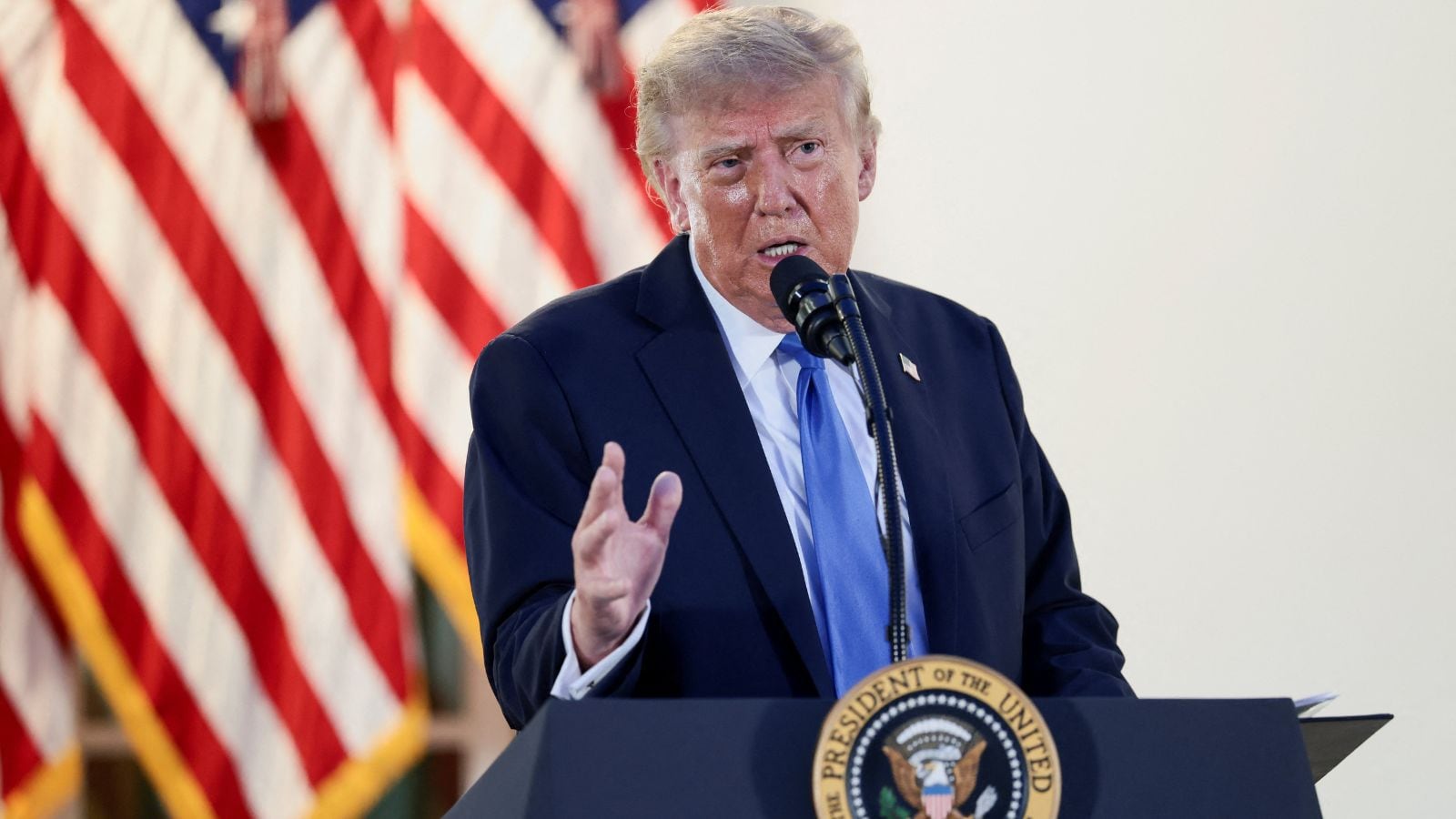
Ian Bremmer, president of the Eurasia Group, recently pointed out a glaring irony in modern statecraft. White House policies under Donald Trump aren't isolating America's targets as cleanly as intended. They are actively driving emerging economies right into the arms of BRICS. When you weaponize the dollar and treat trade partners as transactional threats, you hand alternative coalitions the exact marketing pitch they need.
The Unintended Salesperson in the Oval Office
Think about how international commerce actually operates outside Western capitals. If you run a mid-sized nation dependent on global shipping, energy imports, and stable credit lines, waking up to news of sudden tariff threats or sweeping financial exclusion orders creates immense anxiety. You look for insurance.
That insurance policy increasingly looks like de-dollarization frameworks and alternative economic alignments.
Bremmer highlights how aggressive trade postures create powerful incentives for countries to diversify away from American-led financial architecture. It's not because developing nations suddenly adore every member of the BRICS coalition. It's self-preservation. When Washington signals that access to its markets can be revoked overnight based on shifting political winds, sovereign capitals calculate that hedging their bets is mandatory.
Domestic Pressures Meet Global Realities
Why is this happening now? The intersection of domestic American politics and foreign posture creates a volatile mix. With looming midterm elections and massive national debt figures dominating headlines, administrations often default to hardline economic nationalism. Sound bites about punishing foreign competitors play well on local cable news.
Abroad, however, those same policies read as systemic risk.
Countries caught in the crosshairs of initiatives like aggressive economic containment strategies start prioritizing resilience over allegiance. They attend summits in New Delhi or Kazan looking for practical mechanisms to bypass Western choke points. They want alternative payment rails, bilateral currency swaps, and supply chain security that cannot be frozen by a foreign treasury department directive.
What This Means for Global Markets
You can't dismiss BRICS as a mere photo-op anymore. While Western commentators often focus on internal friction points within the bloc—such as historical border tensions between key members—they miss the bigger picture. The glue holding these countries together isn't shared ideology; it's a shared frustration with a unipolar system that penalizes independent economic choices.
If you're tracking international trade or managing cross-border exposure, ignoring this shift is dangerous.
- Diversify your currency settlements where feasible to protect against sudden policy shifts.
- Monitor bilateral trade agreements emerging across the Global South.
- Stop assuming traditional Western financial dominance acts as a permanent anchor for every market.
The friction is only going to escalate. When superpowers lean on economic gravity to force compliance, the rest of the world learns how to fly without them.
Ian Bremmer Decodes BRICS Declaration
This video provides an exclusive breakdown of the post-BRICS summit realities and how global geopolitical shifts are redefining international trade.
http://googleusercontent.com/youtube_content/1