Foreign policy shifts rarely happen in a vacuum, but the recent convergence of Washington's oil maneuvers and front-line developments in Ukraine feels entirely unprecedented. If you've been watching the conflict unfold this autumn, you already know that traditional diplomatic lines have blurred into something transactional and unpredictable.
Donald Trump's recent administrative steps to permit Russian diesel flows into global markets through April 2027 have fundamentally disrupted the geopolitical math. While the White House frames the temporary U.S. Treasury license as a crucial measure to lower living costs for American families ahead of midterms, Kyiv views the move as a severe fracture in allied solidarity. When global superpowers start negotiating fuel flows while cities under siege absorb incoming missile salvos, the immediate human and tactical cost on the ground shifts dramatically.
The Diesel Deal and Its Immediate Fallout
Let's look at what actually triggered the latest wave of outrage. The U.S. Treasury issued an exemption allowing Russian diesel to re-enter international commerce, aimed at easing domestic energy prices. But the timing couldn't have been more jarring. This policy pivot coincided with intense friction over U.S. intelligence sharing and satellite communications support, leaving Ukrainian defense planners scrambling to maintain operational continuity.
Starshield communication disruptions reported by Ukrainian defense sources earlier this week underscore just how fragile Kyiv's reliance on external infrastructure really is. When connection speeds dip or limitations are enforced from Washington, defensive interceptor networks feel the squeeze immediately. Ukraine's air force intercepted over 4,700 drones and missiles in September alone, meaning any technological friction or political hesitation from allies introduces mortal risk to civilian centers.
Front-Line Realities in Donetsk
Despite mounting diplomatic friction and fluctuating external support, Ukrainian forces haven't simply rolled over. Operational updates from the ground indicate localized counter-maneuvers and successful repulsions of Russian advancing columns in parts of occupied Donetsk. Units on the ground are adapting to changing drone warfare dynamics, leveraging homegrown unmanned systems to strike logistics hubs, ammunition depots, and command posts.
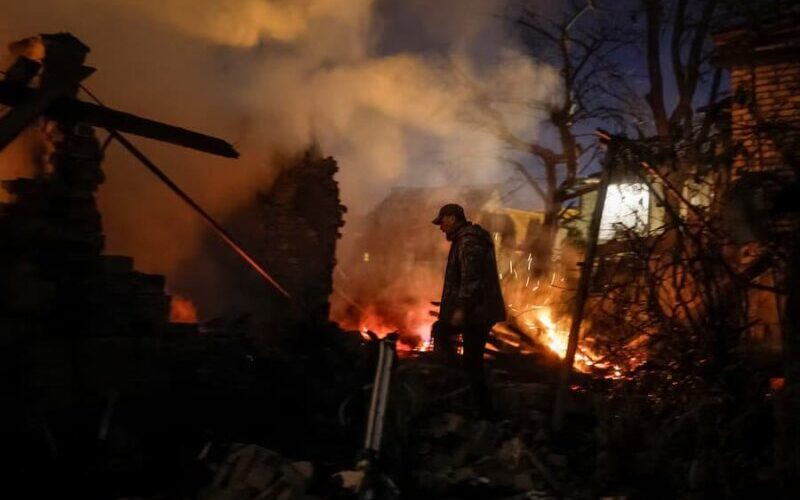
Yet, the intensity of energy strikes remains exhausting. Energy infrastructure continues to absorb heavy blows, forcing grid operators into emergency blackouts and challenging repair crews to work around the clock. The ebb and flow of daily combat data—such as fluctuations in daily engagement numbers reported by Ukraine's Unmanned Systems Forces—reveal a front line that is perpetually stretched to its absolute limit.
What Most Observers Miss About Washington's Calculus
It's easy to view Washington's actions solely through the lens of partisan politics or election cycles, but the reality involves a complex web of global inflation anxieties and raw resource management. Prioritizing domestic fuel prices might win short-term political points at home, but it sends a dangerous signal to Moscow that economic pressure campaigns have an expiration date.
When sanctions are relaxed for strategic commodity relief, authoritarian regimes learn a predictable lesson about Western staying power. Kyiv understands this better than anyone. Every time a workaround is forged for Russian energy exports, the financial cushion supporting Moscow's military-industrial complex thickens just a bit more.
Where the Conflict Goes From Here
We're staring down a grueling winter where energy grid resilience and political willpower will matter far more than static territorial gains. Ukraine has proven its capacity to innovate under extreme duress, developing world-class drone warfare capabilities and maintaining stubborn defensive lines in Donetsk and beyond.
The real question isn't whether Kyiv can keep fighting—it's whether its international partners have the stomach to maintain a unified front when domestic economic pressures bite back. Watch the energy markets closely over the next few months. They will tell you far more about the future of this war than any official diplomatic communiqué ever could.