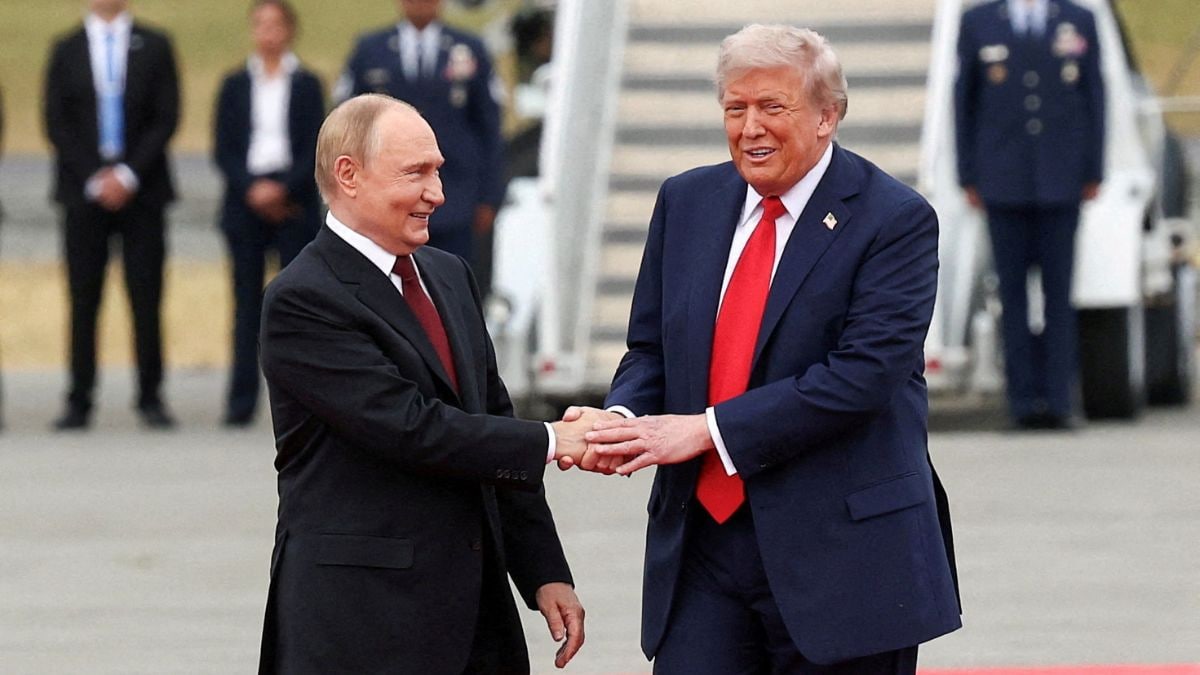
High fuel prices break political careers faster than almost anything else. Donald Trump just learned that lesson again, and his solution was a phone call to Vladimir Putin.
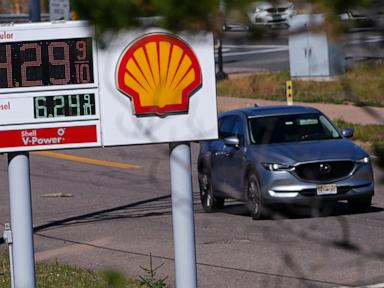
Retail diesel prices crossed six dollars a gallon. The spike stems from supply choke points near the Strait of Hormuz and ongoing conflicts with Iran. Truckers are hurting, logistics costs are soaring, and midterm elections are approaching fast. So what did Washington do? The administration bypassed its own strict trade walls, cut a quick arrangement with Moscow, and issued a temporary Treasury licence allowing Russian diesel back into American and global markets until April 2027.
Critics call it a glaring double standard. For months, Washington leaned heavily on nations like India, threatening severe secondary tariffs under the Lindsey O. Graham Sanctioning Russia and Iran Act of 2026 for buying discounted Russian crude. Now that American consumers face pain at the pump, the rules apparently bend.
The Mechanics of the Agreement
The numbers look impressive on paper, but energy analysts remain skeptical. Moscow agreed to release diesel in rising tranches—starting with 300,000 tons, moving to 500,000 tons, and scaling up to three million tons a month depending on refinery conditions.
Yet, Ukrainian drone strikes have taken a heavy toll on Russian refining capacity, slicing output by nearly thirty percent. Many former energy officials question whether Russia actually has the surplus it promised. Even if the full volume materializes, it amounts to a fraction of global consumption. Daily global demand sits near thirty million barrels. The initial shipments translate to roughly 72,000 to 124,000 barrels a day. It is a temporary bandage over a massive supply wound, crafted primarily for short-term political relief in agricultural states like Iowa, Nebraska, and Kansas.
The Geopolitical Fallout and Kyiv's Reaction
Kyiv reacted with fury. The announcement dropped while a Ukrainian delegation was in Miami meeting American envoys Steve Witkoff and Jared Kushner to hash out peace proposals. President Volodymyr Zelensky didn't hold back, stating that his negotiators were used as a smokescreen while Washington made a backdoor arrangement with the Kremlin.
Zelensky defended ongoing drone strikes on Russian energy infrastructure, arguing they are a direct response to attacks on Ukraine's power grid. From Kyiv's perspective, any relaxation of sanctions without a permanent ceasefire signals weakness and injects cash directly into Russia's wartime economy.
Capitol Hill showed deep division as well. Democratic leaders like Chuck Schumer accused the administration of ignoring statutory laws passed with bipartisan majorities just weeks prior. Even Republican voices like Representative Michael McCaul and Representative Don Bacon expressed unease, warning that propping up Russian fuel exports undermines Western solidarity. Richard Nephew, a veteran sanctions official, pointed out the obvious flaw: when Washington exempts itself from its own trade barriers, its moral and diplomatic leverage to stop other countries from buying Russian energy evaporates completely.
What This Means for Global Trade
If you run a supply chain or manage energy procurement in emerging markets, this move changes the compliance calculus. For months, foreign buyers faced intense pressure to sever ties with Russian commodities. When a superpower carves out an exception for its own domestic relief, compliance arguments lose their teeth.
Indian policymakers, who faced relentless pressure to defend their energy security purchases, now have a powerful precedent. If direct importation of Russian refined products is acceptable for the world's largest economy to lower domestic fuel costs, the moral high ground of secondary sanctions shifts dramatically.
Trading long-term strategic alignment for temporary price relief at the pump carries a heavy cost. It weakens enforcement credibility, alienates key allies, and shows that economic pressure campaigns have a strict expiration date whenever domestic polling numbers drop.